
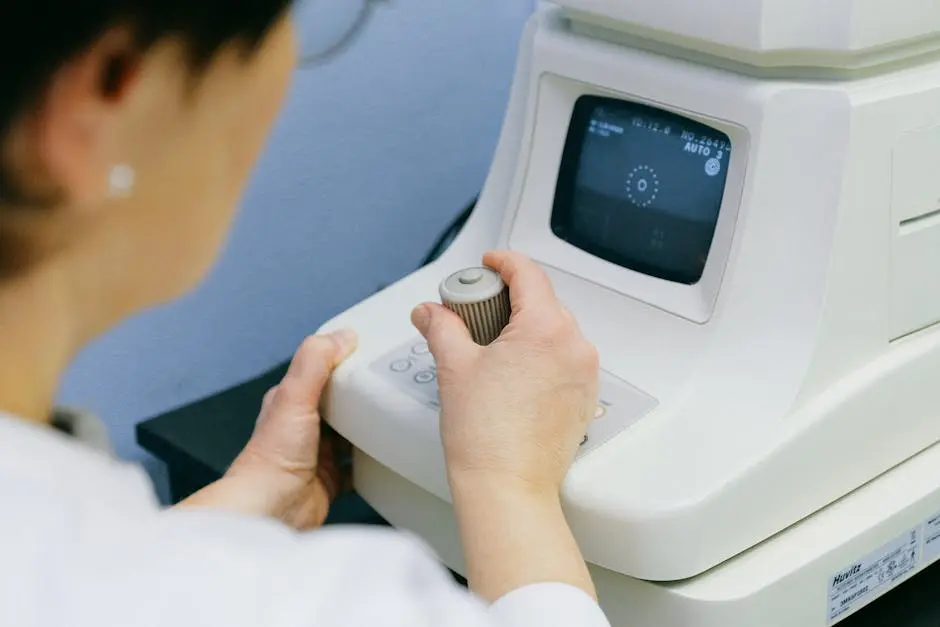
Eye clinics play a crucial role in maintaining our visual health. With advancements in eye care technology, these clinics have become instrumental in the early detection and treatment of various eye diseases. In this blog, we’ll explore how eye clinics serve as a frontline defense against eye conditions, ensuring early intervention and better outcomes.
Understanding the Importance of Regular Eye Examinations
Regular eye examinations at an eye clinic are essential for catching potential eye issues early. These exams help in detecting vision problems, assessing overall eye health, and identifying conditions that may not yet present noticeable symptoms. Regular check-ups can also provide insights into how lifestyle factors, like excessive screen time or exposure to bright lights, affect your eyes. It is often during a routine eye exam that subtle changes are noticed, which can point towards an underlying issue. Moreover, conditions like hypertension or diabetes can sometimes be first detected through eye exams, proving how interconnected our body systems truly are.
An eye clinic visit isn’t just about checking how well you can see. It’s much more comprehensive. The tests performed can reveal critical health information about underlying systemic diseases. For instance, through regular eye exams, it can become apparent if certain lifestyle changes are affecting your eye health significantly. These exams also offer an excellent opportunity to ask professionals questions about safeguarding your vision and maintaining healthy eyes as you age. By considering the health of your eyes, you are essentially considering your overall health.
Key Eye Diseases Detected Early by Eye Clinics
Eye clinics can spot several eye diseases early, such as glaucoma, cataracts, and age-related macular degeneration. Early detection is crucial for managing these diseases and preventing further vision loss. For instance, glaucoma is often called the ‘silent thief of sight’ because it usually does not present symptoms until significant vision loss has occurred. Eye specialists can also detect macular degeneration in its early stages, which is critical as it allows for interventions that can slow progress significantly, preserving vision for longer.
Early diagnosis of cataracts ensures that treatment can begin before the condition significantly impacts a person’s quality of life. An eye examination can reveal small cataracts that would otherwise go unnoticed. Similarly, diabetic retinopathy, a complication of diabetes that affects the eyes, can be detected during these exams. Eye clinics can identify this condition before any vision impairment occurs, allowing for timely medical intervention, which might include changes in medication or surgical options.
Aside from these, there are many other conditions like retinal detachment or specific infections that might be detected during eye exams. Diabetic retinopathy is another condition detected in initial stages in an eye clinic, which is particularly essential for people with diabetes. Clinics utilize specialized cameras to capture images of the retina, observing any minute changes and ensuring intervention at the earliest.
The Role of Advanced Technology in Eye Clinics
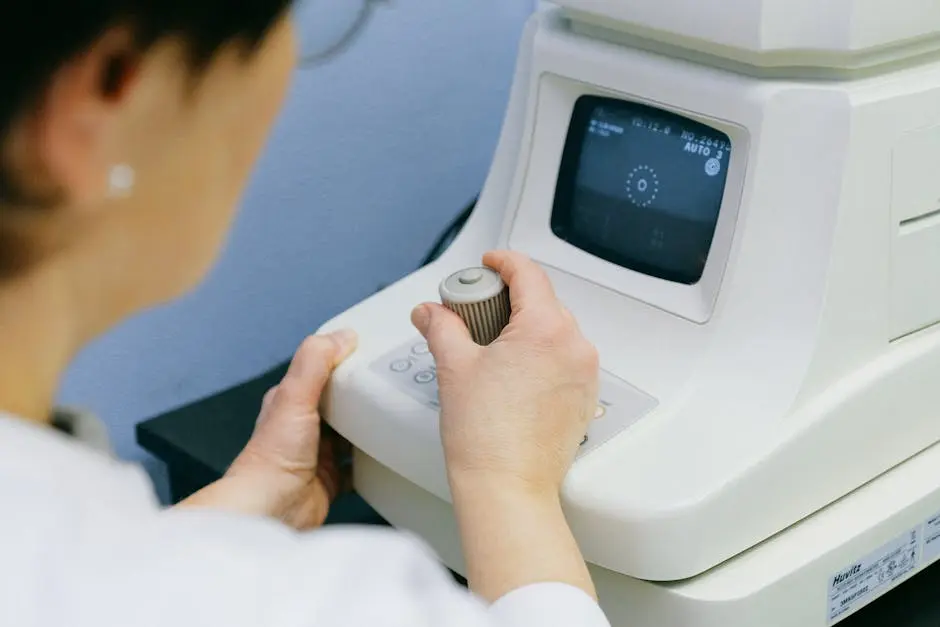
Modern eye clinics are equipped with advanced diagnostic tools that enhance their ability to detect diseases. Technologies like OCT (Optical Coherence Tomography) and digital retinal imaging allow for a more comprehensive examination of the eyes, leading to earlier and more accurate diagnoses. These technologies work by providing high-resolution cross-sectional images of the retina, which can unveil details not visible with traditional methods. For example, OCT is particularly useful in diagnosing and monitoring the progression of glaucoma and macular degeneration, offering a non-invasive approach to track changes in the retina’s layers over time.
Additionally, digital retinal imaging can detect abnormalities that may indicate a risk of stroke or signs of high blood pressure. Eye clinics equipped with these tools can ensure comprehensive monitoring and accurate tracking of changes in the eye’s condition. Adopting these technologies signifies shift towards precision medicine in ophthalmology, allowing practitioners to tailor treatments more effectively to individual patient needs.
How Eye Clinics Personalize Treatment Plans
After diagnosing a condition, an eye clinic tailors a treatment plan to the individual needs of the patient. Personalization in treatment ensures better compliance and outcomes, addressing the unique requirements of each eye condition. Each patient’s medical history, lifestyle, and specific symptoms are considered when devising a treatment strategy. This approach maximizes the efficacy of treatments and minimizes any potential side effects. It’s this level of personalization that can greatly improve a patient’s overall experience and outcome.
Patients receive guidance on lifestyle changes and are educated on maintaining eye health beyond treatment. For instance, patients may be advised on the importance of a diet rich in omega-3 fatty acids, lutein, zinc, and vitamins C and E to potentially combat age-related vision problems. This comprehensive care model sets up patients for long-term health benefits and reinforces the importance of regular follow-ups.
The Benefits of Early Intervention in Eye Health
Early detection and intervention lead to more effective treatment outcomes and can prevent severe complications. By addressing eye diseases early, patients can maintain a higher quality of life and preserve their vision longer. The correlation between early diagnosis and better treatment outcomes is well-documented. By visiting an eye clinic regularly, one ensures that any potential issues are identified and addressed promptly, reducing the risk of irreversible damage. This proactive approach also curtails the healthcare costs in the long run by sidestepping complex procedures or surgeries that might be required if conditions advance unchecked.
Moreover, addressing issues early often allows for less invasive treatment options. For example, less severe cases of glaucoma can be managed effectively with eye drops, and in cases where surgery becomes necessary, less invasive procedures may suffice in the early stages. Quick action not only saves sight but can also emotionally benefit patients by providing peace of mind, knowing that their eye health is in professional hands.
Safeguarding Your Vision: The Essential Role of Eye Clinics
In conclusion, eye clinics are vital in safeguarding our vision through early detection and treatment of eye diseases. Regular eye examinations and timely interventions can prevent complications and maintain healthy eyesight for years. So, next time you’re thinking about skipping that eye exam, remember the significant role eye clinics play in preserving your vision. Visit our website to book your exam today.