
Cataract surgery is a common procedure that many people undergo as they get older. While the idea of surgery might seem daunting, understanding what to expect can help ease your mind. This guide aims to walk you through the entire process, from preparation to recovery, in a friendly and easy-to-understand manner.
Understanding Cataracts and the Need for Surgery
Before diving into the surgery itself, it’s essential to understand what cataracts are. Essentially, they are a clouding of the eye’s lens, leading to decreased vision. Surgery is often recommended when cataracts affect day-to-day activities.
Cataracts can develop slowly, often causing blurriness and yellowing of vision, making colors appear less vibrant. This gradual progression means you might not notice how much your vision has changed until it starts significantly affecting your daily life. Understanding the impact of cataracts is crucial to determining the right time for surgery. Some decide to manage initial symptoms with stronger glasses or brighter lighting before opting for surgery. However, since cataracts won’t improve without intervention, surgery remains the only permanent solution to restore clear vision.
Preparing for the Procedure
Preparation is key to a successful cataract surgery. From pre-operative assessments to discussing your medical history with your doctor, having everything in place ensures a smooth surgery day.
Your eye examinations will be thorough, often including measurements of the eye to help determine the appropriate lens power for the artificial lens replacement. It’s important to discuss any medications you’re taking, as certain prescriptions may need to be stopped ahead of surgery. Doctors will usually advise patients to use antibiotic eye drops before the surgery to help prevent infection. Being aware of these pre-surgery steps can help minimize stress and ensure you’re well-prepared for your procedure.
It’s also helpful to arrange transportation for the day of the surgery since your vision may be blurry immediately afterward due to the procedure. Planning for a restful day following surgery can aid in recovery. Staying informed about each step and maintaining open communication with your healthcare professional helps in building confidence and setting realistic expectations. In case you’re seeking guidance on pre-surgery protocols, we offer detailed consultations to ease the prep process.
What to Expect During Surgery
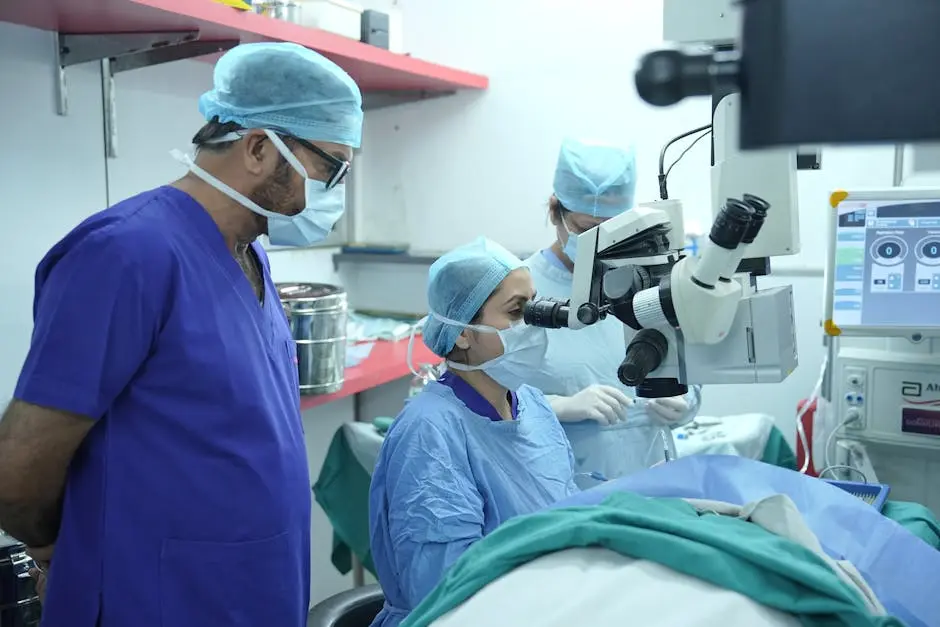
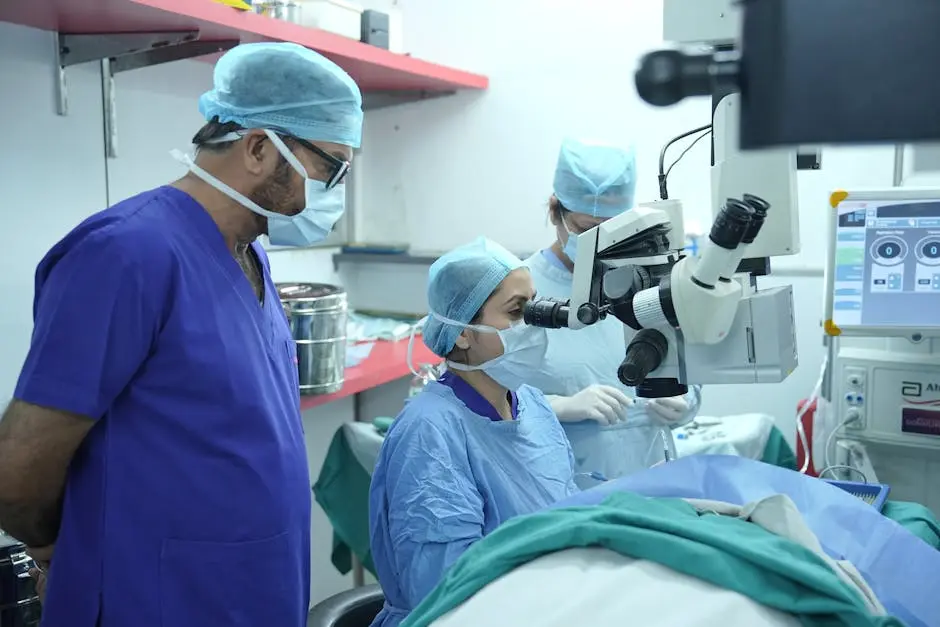
The surgery itself is a quick, outpatient procedure. Here’s what typically happens: you’ll be awake but comfortable with local anesthesia. The surgeon will remove the cloudy lens and replace it with a clear artificial one.
Despite how it may sound, the surgery usually takes only about 15 to 30 minutes, thanks to advances in medical technology. You may feel slight pressure but should not experience any pain during the operation. Surgeons leverage state-of-the-art equipment to remove the clouded lens, utilizing ultrasound waves or laser-assisted technology to dissolve it. This process makes the procedure safer, with reduced risks and quicker recovery times. It’s fascinating how such precise measures ensure patients receive effective and safe surgery in such a brief timeframe.
Although you’ll be fully aware during the procedure, relax knowing that a team of professionals is there, ensuring everything goes smoothly. Being informed helps alleviate nerves, and if you’re keen to learn more about the specifics of the procedure, feel free to contact us for detailed insights.
Post-Surgery Recovery and Care
Recovery from cataract surgery is generally fast, but proper care is crucial. You will receive specific post-operative instructions to promote healing and maximize the success of your new lens.
Most patients experience a significant improvement in vision within a few days, although full recovery may take several weeks. During this recovery period, following your doctor’s guidelines is imperative. You might be given a protective eye shield to wear, especially during sleep, to prevent accidental touching or pressure on the eye. Eye drops prescribed will help prevent inflammation and infection while keeping the eye comfortable. While it’s tempting to celebrate regaining your sight, steering clear of strenuous activities until your doctor gives the all-clear is vital for ensuring optimal healing.
As you advance through recovery, regular follow-ups allow the doctor to monitor progress and address any concerns you may have. Understanding how to handle minor common issues is important too, such as temporary sensitivity to light or mild discomfort. If you ever feel uncertain about any aspect of your recovery, don’t hesitate to reach out through our patient support for assistance.
Potential Risks and Complications
As with any surgery, there are risks. While cataract surgery is highly successful, understanding possible complications can prepare you for any eventualities and empower you to make informed decisions.
Complications are rare but can include inflammation, infection, bleeding, or retinal detachment. Honest conversations with your ophthalmologist will enlighten you on these risks and help tailor a surgery plan that minimizes them. Moreover, monitoring advancements in ophthalmology, new techniques, and protocols have been developed to counteract potential issues, further enhancing the safety and success rates associated with cataract removal.
Keeping lines of communication open with your healthcare provider is paramount. We prioritize patient education and encourage you to explore our informative sessions to ensure you’re fully prepared for what comes next.
Life After Cataract Surgery
After recovery, many people enjoy significantly improved vision. This section will cover what to expect in terms of vision changes, adjustments, and the overall impact on quality of life post-surgery.
One of the most gratifying experiences after cataract surgery is witnessing sharp, vibrant colors and details that may have been muted for years. Many patients describe this as seeing the world in high definition! Activities that once seemed cumbersome or exhausting become enjoyable again, vastly increasing the overall quality of life. These post-surgery adjustments are not only transformative but also incredibly fulfilling, allowing individuals to regain autonomy and confidence in their daily lives.
Incorporating newfound clarity into your daily routine might take some adjustment, but soon you’ll likely find it liberating. Remaining cautious of your eye health even post-surgery ensures longevity in clear vision. If you’re intrigued about how cataract surgery could enhance your lifestyle, our team of experts is ready to guide you through this enlightening journey.
Embracing Clarity: Final Thoughts on Cataract Surgery
Cataract surgery can seem intimidating, but with the right information and a clear understanding of the process, it can be a smooth and anxiety-free experience. Remember, it’s all about ensuring the best outcome for your vision health.