
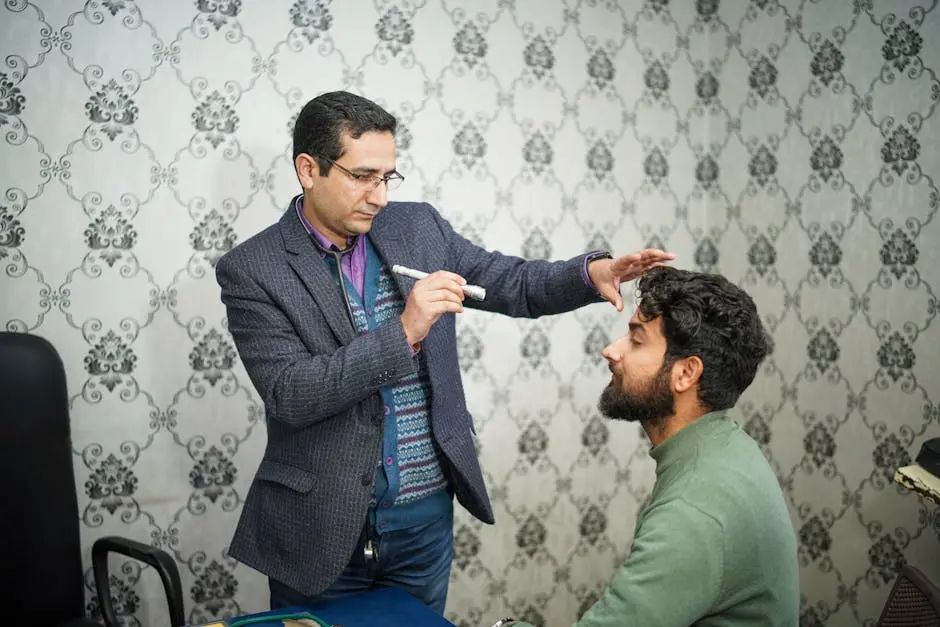
Eye surgery can be life-changing, offering clearer vision and freedom from glasses or contacts. However, not everyone is an ideal candidate for the procedure. This guide will help you understand who might benefit from eye surgery and what factors to consider.
Understanding Different Types of Eye Surgery
Eye surgeries come in various forms, each catering to distinct vision-related needs. The most common include LASIK, PRK, and cataract surgery. LASIK is well-known for correcting refractive errors such as myopia, hyperopia, and astigmatism. It reshapes the cornea, enabling light to be properly focused onto the retina. PRK, on the other hand, is a good alternative for those with thinner corneas. By reshaping the corneal surface, PRK offers outcomes similar to LASIK but with a slightly different recovery process. Cataract surgery involves the removal of a cloudy lens, replaced with a clear artificial one, and is generally performed on older adults experiencing clouded vision.
Selecting the right type of surgery largely depends on individual eye conditions and health status. Both LASIK and PRK are popular choices for correcting refractive errors, yet they suit different people based on factors like corneal thickness and lifestyle. While PRK is advantageous for those with thinner corneas or dry eyes, LASIK generally boasts faster recovery times. Understanding the differences can guide potential candidates in making informed decisions.
Basic Qualifications for Eye Surgery
To qualify for eye surgery, candidates should typically be over the age of 18 with a stable vision prescription for at least one year. This stability suggests that the eye has settled, allowing for more predictable surgical outcomes. Young patients may experience changes in vision, affecting the long-term success of the procedure.
Beyond age and prescription stability, candidates should also exhibit healthy eyes free from conditions such as chronic dry eye or severe allergies that could hinder healing. Consistently good eye health implies that the cornea can safely undergo the procedural reshaping required by surgeries like LASIK or PRK.
Medical Conditions Affecting Eligibility
Certain medical conditions can impact one’s eligibility for eye surgery. For instance, individuals with autoimmune disorders may face slower healing, increasing the risk of complications. Similarly, unchecked diabetes can affect vision stability and wound healing. It’s crucial to manage such conditions effectively to be considered for surgery.
For persons with cataracts, surgery might be recommended as a solution rather than LASIK or PRK. Cataract surgery directly addresses the issue by replacing the affected lens. It’s important to identify and treat cataracts properly since they can significantly impede vision quality if left unaddressed.
Eye Health Requirements
A pivotal factor for eye surgery candidacy is having healthy eyes. Various tests are conducted to ensure that the structural integrity of the eye is sound. For example, corneal thickness is vital for LASIK candidates as it determines how much tissue can be safely removed to reshape the eye.
Dry eye syndrome is another consideration. For surgeries like LASIK, dryness can exacerbate post-surgical discomfort and prolong recovery. Fortunately, there are treatments available to alleviate dryness and enhance surgical outcomes, offering relief to those who suffer from chronic symptoms.
Lifestyle and Personal Factors
When considering eye surgery, it’s essential to evaluate personal motivations and lifestyle factors. For instance, occupations that entail high visual demand might benefit greatly from corrective surgery, reducing the dependency on glasses or contacts. Additionally, active individuals might find the freedom from lenses invaluable when engaging in sports or outdoor activities.
Understandably, the motivation for eye surgery could stem from a desire for aesthetic enhancement, but it’s crucial to balance these desires with realistic expectations of the potential benefits and limitations of the surgery.
Consulting with an Ophthalmologist
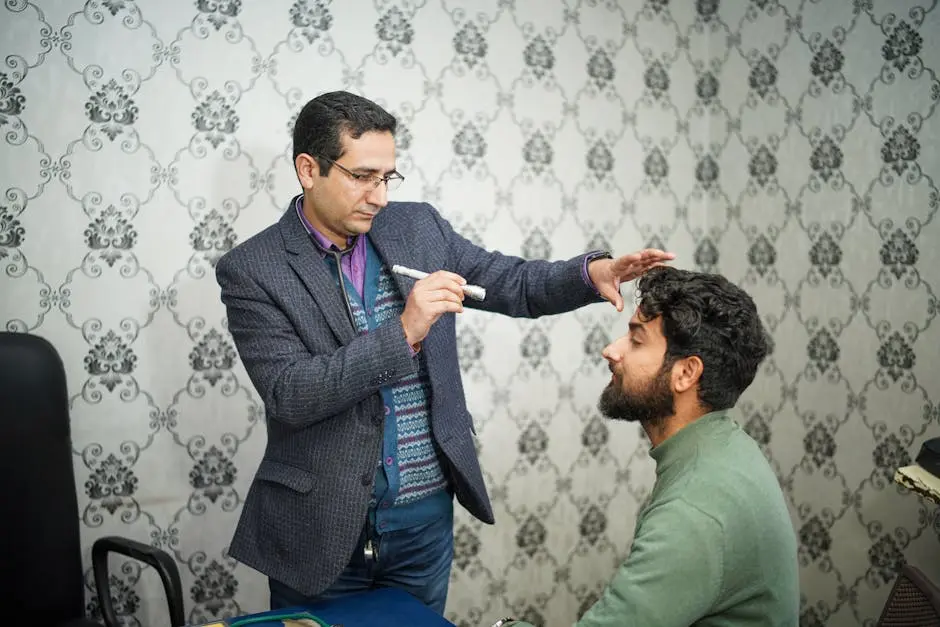
Ultimately, the best way to determine if you’re a suitable candidate for eye surgery is by consulting with a qualified ophthalmologist. At Eye Associates of Winchester, our experienced team is dedicated to providing personalized consultations and advice tailored to your specific needs. Contact us today to start your journey towards clearer vision.
Final Thoughts
In summary, while eye surgery can be beneficial for many, it requires thorough evaluation to determine suitability. Always consult with a licensed ophthalmologist to explore your options and make informed decisions about your eye health.