
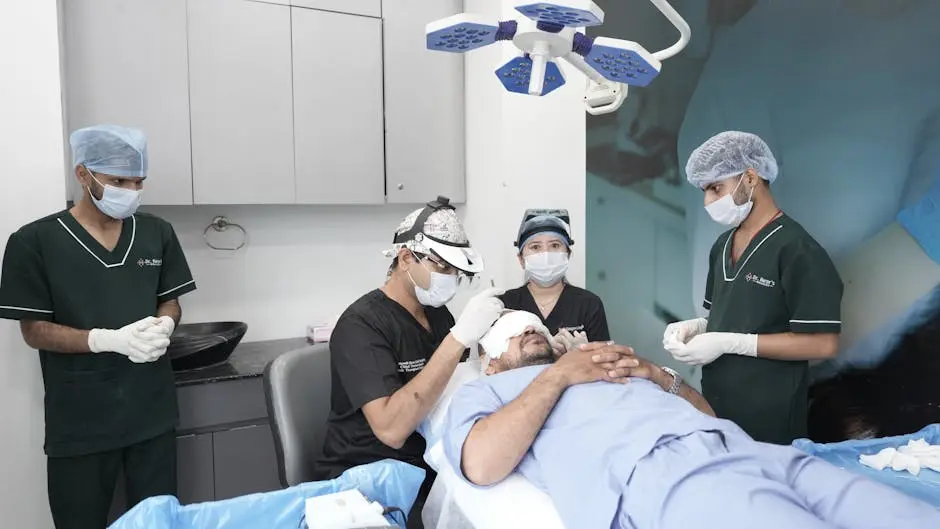
Preparing for eye surgery can be both an exciting and nerve-wracking experience. It’s essential to gather as much information as possible before the procedure to ensure a smooth and successful outcome. Here are some crucial questions to ask your surgeon that will help you feel more confident and informed.
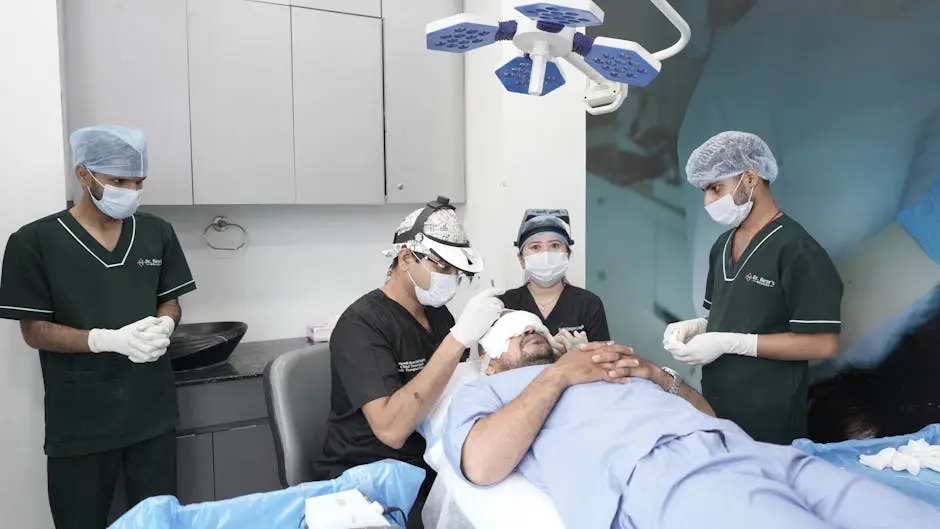
1. Understanding Your Specific Procedure
Start by asking your surgeon for a detailed explanation of the surgery. Knowing what the procedure involves, how it works, and its benefits will help you feel more informed and at ease. For instance, you might be curious about whether the surgery will entail the use of lasers or traditional tools, and if so, how each option might affect the surgery’s outcome and your healing process. Some might wonder about the preparation of the eye or the duration of each step of the surgery. Clarity on these aspects can help set realistic expectations and provide peace of mind as you approach the day of surgery.
2. Possible Risks and Complications
Understanding potential risks is crucial. Ask about any complications that might arise during or after the surgery and how they are handled. Are there risks specific to your health profile or the type of lens you might need? For example, some surgeries may have higher risks for people with severe nearsightedness or other underlying health conditions. Additionally, inquire about how your surgeon’s team monitors post-surgical issues and what steps are taken if complications arise. Such discussions not only prepare you mentally but also equip you with knowledge about what to watch for during recovery.
3. Surgeon’s Experience and Credentials
Inquire about your surgeon’s training and experience with this specific procedure. A seasoned surgeon brings a wealth of knowledge and skills, which can be particularly reassuring if complications occur. Ask how many surgeries similar to yours they’ve performed and what their success rate is. An experienced surgeon can provide case studies or references that can give insight into their diagnostic approach and preferred surgical techniques. Knowing your surgeon’s expertise can solidify trust and lead to a smoother overall experience.
4. Anesthesia Options
Discuss the type of anesthesia that will be used during your surgery. Understanding this can help you prepare mentally for the experience. Your surgeon might recommend local or general anesthesia, depending on the complexity of the procedure and your health condition. Learn about the benefits and risks associated with each option. Inquire about the side effects of anesthesia and what measures are in place to manage them. This discussion can determine your comfort level and help in setting your expectations.
5. Pre-Surgery Preparations
Ask your surgeon what you need to do to prepare for the surgery, including any medications or lifestyle changes you should adopt beforehand. You might need to stop taking certain medications or supplements in the weeks leading up to your eye surgery. Perhaps dietary changes or cessation of smoking would be beneficial. Routine pre-surgical activities such as blood tests are common and should be discussed with your surgeon. Precise preoperative preparations ensure that you are in the best possible condition for the surgery and can often aid in a more effective recovery.
6. Duration of the Procedure
Find out how long the surgery will take, so you can plan accordingly and inform anyone assisting you on the day of the procedure. The length of time might vary based on the complexity of the procedure and the anesthesia used. Knowing the expected duration helps coordinate care for yourself, especially if additional arrangements for personal or professional responsibilities are necessary. It can also be reassuring to have a friend or family member informed, who will be waiting for you during the procedure.
7. Post-Operative Care Requirements
Post-surgery care is vital for full recovery. Ask about the necessary steps you should follow when you get home. This might include using prescribed eye drops diligently to prevent infection or inflammation. Inquire about the signs of complications and how they should be addressed. Understand the importance of follow-up appointments and adherence to their schedule as advised by your surgeon. Clear guidelines will help in organizing your post-operative routine and ensuring optimal healing.
8. Recovery Timeframe and Activities
Discuss the expected recovery timeline and any activities you should avoid. Knowing this helps with making personal and professional arrangements. Will you need to take time off work or refrain from hobbies that could strain your eyes? Discover what symptoms are normal and what might necessitate a call to the surgeon’s office. Learning these aspects can help in planning your return to normal life, easing the transition from recovery to routine.
9. Follow-Up Appointments
Post-surgery check-ups are crucial. Inquire about the schedule of follow-up visits to monitor your healing process. These visits allow your surgeon to assess your recovery and ensure that your eyes are healing as expected. Knowing when these appointments will occur lets you prepare questions and concerns about your progress. They are vital touchpoints for implementing any necessary adjustments to your care plan, maintaining the path to complete recovery and preserving your eye health long-term.
10. Handling Discomfort or Pain
It’s important to discuss the types of discomfort you might experience and the pain management options available to you. Ask which over-the-counter pain medications are recommended, and discuss how long any soreness or itchiness might last. It’s reassuring to know that discomfort is generally temporary and manageable, and having a plan in place can provide peace of mind. Being aware of what constitutes normal and when to contact your doctor for persistent pain ensures that you or your caregiver can confidently address any issues as they arise.
11. Visual Outcome Expectations
Ask about what to realistically expect regarding your vision post-surgery, as changes can vary per individual. Everyone heals differently, and understanding the scope of visual changes sets the right expectations. Discuss the likelihood of needing new prescriptions or any additional corrective procedures in the future. Knowing your eye surgery’s potential impacts will help you prepare for shape and clarity shifts in your daily visual experience.
12. Long-Term Results and Care
Discuss how long the results typically last and any long-term care needed to maintain your eye health after surgery. Learn about the longevity of surgical corrections and the need for future maintenance. Ask about lifestyle changes or any protective measures like UV filter sunglasses that can aid in prolonging the benefits of your surgery. Establish a firm understanding of how ongoing eye care will safeguard the investment you’ve made in your vision and help plan your future eye health strategy.