
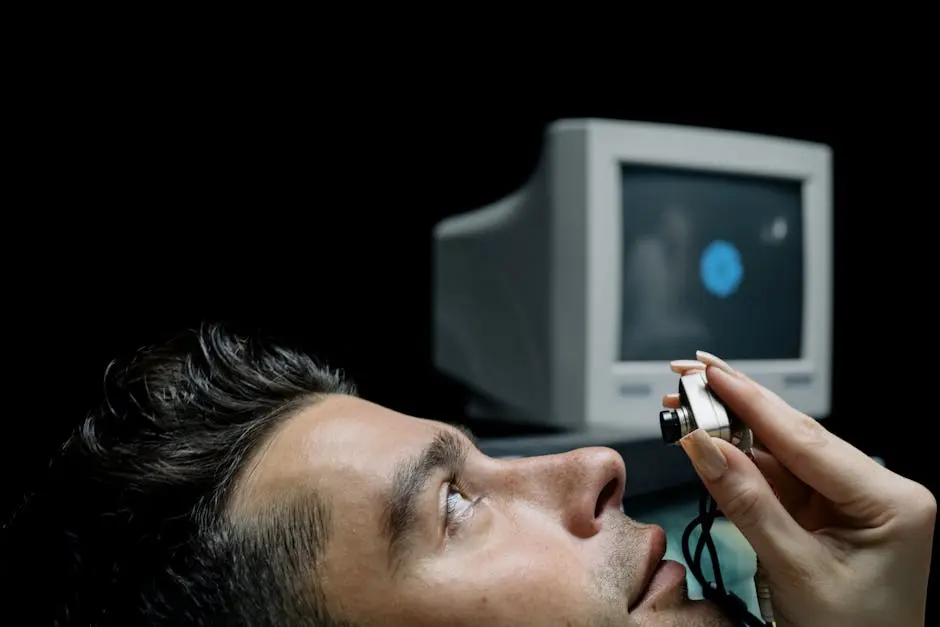
Glaucoma, a condition that affects millions worldwide, has long been a challenge for eye care professionals. However, innovations in medical technology are paving the way for more effective and efficient treatment options. In this blog, we’ll explore some of the cutting-edge technologies that are revolutionizing glaucoma treatment and offering hope to those affected by this vision-threatening disease.
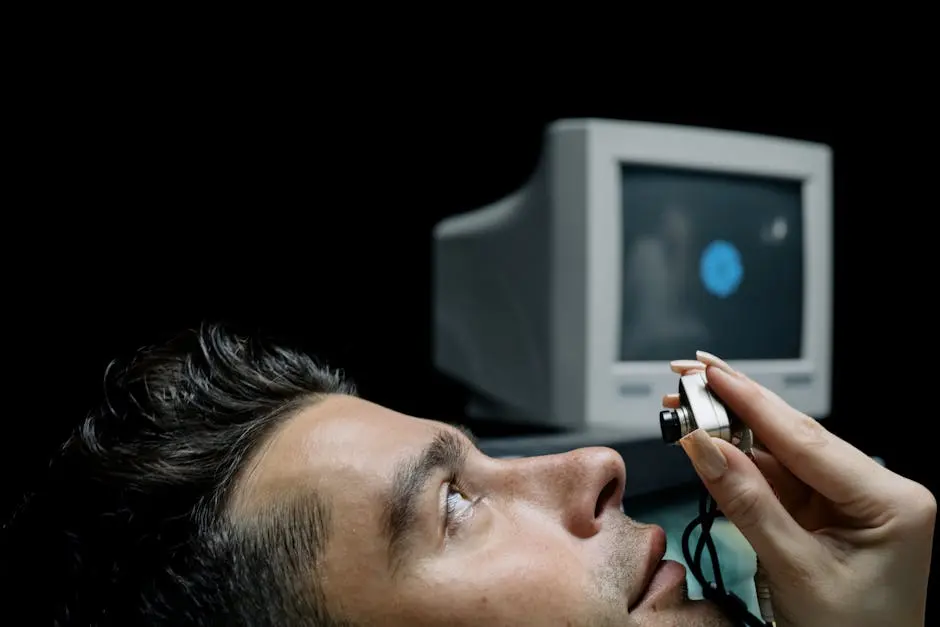
1. Smart Contact Lenses for Continuous Monitoring
Imagine a world where a simple contact lens can do more than just correct your vision. Today, smart contact lenses are equipped with tiny sensors capable of measuring intraocular pressure—a key indicator in managing glaucoma. This technological breakthrough offers a non-intrusive method of gathering data, potentially transforming how patients and doctors approach treatment. Instead of regular clinic visits just to measure pressure, continual monitoring provides a comprehensive view of how a patient’s condition evolves over time. This can lead to more timely and precise interventions, ultimately preserving sight more effectively.
Moreover, these lenses can be connected to smartphone apps, providing real-time updates and alerts. This integration not only empowers patients but also enables ophthalmologists to tailor treatments more effectively. With continuous monitoring, patients may benefit from more personalized care plans without disrupting their daily lives. The potential applications are vast, and as the technology matures, it could redefine standard care protocols, offering a layer of proactive, patient-centered management previously unattainable.
2. Virtual Reality in Vision Testing
Virtual reality, often associated with gaming and entertainment, is finding its way into the world of optometry. By employing immersive technology, doctors can now perform comprehensive eye exams that mimic real-world environments. This methodology not only enhances the patient experience—making tests more comfortable and engaging, but it also allows for the detection of subtler symptoms of glaucoma, which might be missed during traditional examinations.
The adaptability of VR tools means they can simulate a range of visual scenarios, testing everything from peripheral vision to light sensitivity with remarkable precision. This is vital for detecting early signs of glaucoma, particularly in individuals who may not yet experience any noticeable symptoms. Such advancements signal a shift towards more sophisticated, patient-friendly care methodologies that combine accuracy with ease of use.
3. Laser Therapy Techniques
As a less invasive option, laser therapy is garnering attention in the fight against glaucoma. Through advanced techniques like selective laser trabeculoplasty (SLT) and laser peripheral iridotomy, these treatments can significantly lower intraocular pressure with much less risk than traditional surgery. Patients are often drawn to laser therapy due to its minimal recovery time and reduced incidence of complications.
These laser methods target specific eye tissues, allowing for precision that minimizes damage to surrounding structures. As research progresses, expect even more refined techniques to emerge, offering renewed hope for patients seeking effective solutions without the uncertainties of invasive surgery. These developments are a testament to the relentless innovation occurring within the field of ophthalmology.
4. Micro-implant Devices for Pressure Control
Micro-implants represent a significant leap forward in managing eye pressure, a crucial factor in treating glaucoma effectively. These tiny devices, often no larger than a grain of rice, are designed to drain excess fluid from the eye, maintaining optimal pressure levels. Their minimally invasive nature means they can often be placed without the need for extensive surgery, serving as a long-term solution for many.
For patients struggling to manage their condition with drops alone, micro-implants can offer a dual attack on glaucoma, reducing reliance on daily medication and providing peace of mind. With more designs being researched, the efficacy and accessibility of these devices continue to improve, heralding a future where glaucoma management is more streamlined and less burdensome.
Combining these devices with other emerging technologies could lead to even greater advancements in patient care. The ability to connect implants with wearable tech, for instance, could further enhance monitoring capabilities, allowing for real-time adjustments that ensure optimal eye health.
5. AI-Powered Diagnostic Tools
Artificial intelligence is making waves across numerous medical fields, and ophthalmology is no exception. AI-powered tools can sift through vast amounts of visual data, identifying patterns and anomalies with incredible speed and accuracy. This is particularly beneficial in diagnosing glaucoma in its nascent stages, where subtle changes in the optic nerve can be precursors to more severe issues.
By leveraging machine learning algorithms, these diagnostic tools offer a higher level of precision than traditional methods. They can also adapt over time, learning from new data to refine their accuracy, making them indispensable resources for ophthalmologists aiming to deliver evidence-based care. As these systems develop, their role in early intervention will likely expand, further cementing AI’s place in the future landscape of glaucoma treatment.
6. Telemedicine for Remote Patient Management
The rise of telemedicine provides a critical service, especially for glaucoma patients residing in remote or under-served areas. By enabling video consultations and remote monitoring, telemedicine bridges the gap between ophthalmologists and patients who may otherwise lack access to specialized medical care. It offers unparalleled convenience, allowing patients to engage with their healthcare providers without the time and expense of travel.
Moreover, remote check-ins can be orchestrated alongside in-home devices that measure vital signs or eye health metrics, ensuring continuity of care. Given the chronic nature of glaucoma, frequent monitoring through telemedicine can assist in maintaining stable eye health by catching potential problems before they escalate. As the digital health field evolves, expect telemedicine to become an increasingly integral component of comprehensive glaucoma care.
7. Gene Therapy Advancements
Gene therapy represents an exciting frontier in the pursuit of a glaucoma cure. By addressing the genetic root causes, this therapeutic approach holds the promise of not just managing symptoms but potentially repairing damage at a cellular level. Scientists are investigating ways to replace or repair defective genes that contribute to the disease, with the aim of halting or even reversing disease progression.
Clinical trials are underway, testing the efficacy and safety of these innovative therapies. The implications of a successful gene therapy for glaucoma are profound; it would not only transform individual lives but also reshape current treatment paradigms. While the field is still emerging, the progress being made is a hopeful indication that a revolutionary treatment is on the horizon.
8. Smartphone Applications for Home Screenings
Smartphone apps are revolutionizing self-care, offering glaucoma patients an accessible tool for tracking changes in vision at home. These apps often include features such as vision tests, reminders for medication schedules, and logs to monitor symptoms. This empowers patients to take a more active role in their healthcare, enabling them to notice changes that might warrant professional evaluation.
Additionally, the data collected by these applications can be shared directly with healthcare providers, enriching consultations with valuable insights. As these technologies evolve, they are likely to become smarter, utilizing AI to offer personalized insights and recommendations. In doing so, smartphone applications are not just convenience tools—they are vital components of a cohesive, long-term strategy for glaucoma management.