
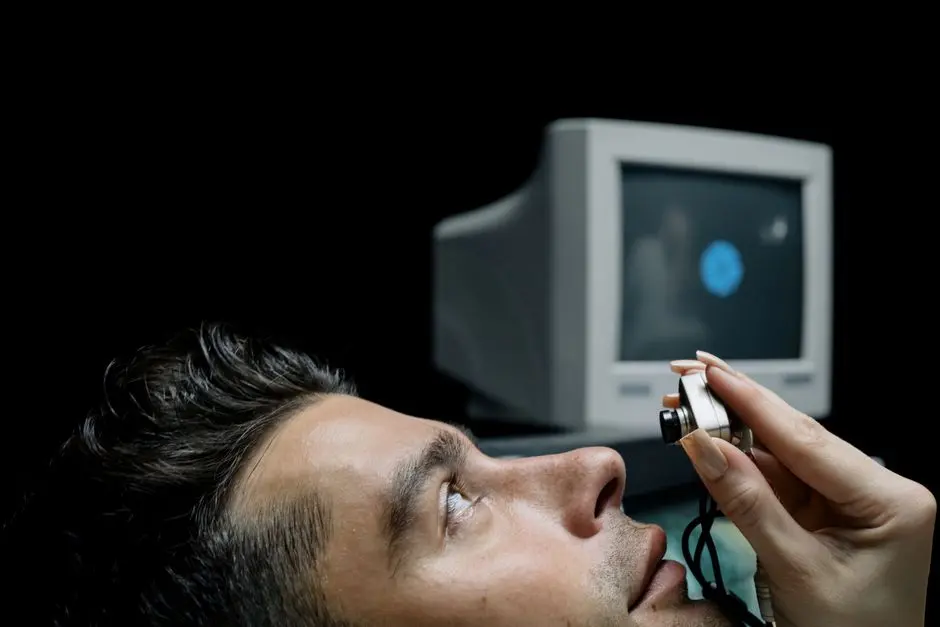
Diabetic retinopathy is a common eye condition that affects individuals with diabetes. Detecting it early can significantly help in managing the condition and preventing vision loss. In this blog, we will uncover ten essential tips that are simple, practical, and vital for catching the signs early.
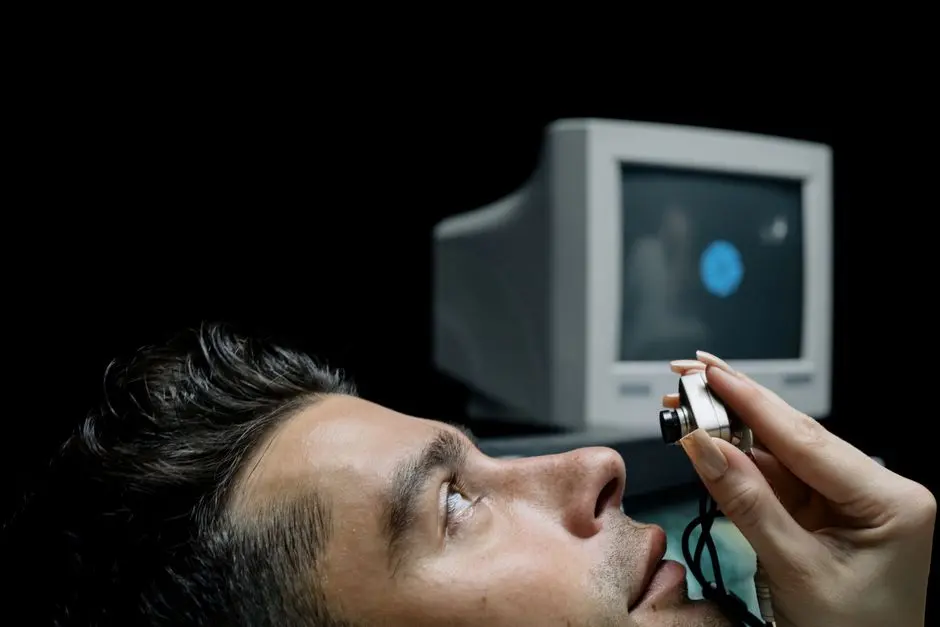
1. Understanding Diabetic Retinopathy
Diabetic retinopathy is a condition that stems from damage to the blood vessels in the retina due to high blood sugar levels. This damage can lead to vision impairment and eventually blindness if not managed properly. Understanding this connection is vital for those with diabetes, as knowledge empowers one to take the necessary steps for early detection. The retina plays a crucial role in transforming light into signals received by the brain, and any damage can have profound effects on vision. Importantly, early stages of retinopathy often show no or very mild symptoms, necessitating vigilance even when eyesight seems unaffected.
While diabetic retinopathy can be concerning, modern medical advancements allow for effective management, particularly when detected early. Treatments vary from laser surgery to injections to control the growth of new, fragile blood vessels that can lead to retinal detachment. However, the best form of care starts with prevention and maintaining regular check-ups with an eye care professional. This foundation of understanding enables individuals to approach eye health proactively and with the knowledge needed to manage potential risks associated with diabetes.
2. Regular Eye Examinations
Routine eye examinations are the cornerstone of early detection for diabetic retinopathy. It’s advised for individuals with diabetes to have a comprehensive dilated eye exam at least once a year. During this exam, the doctor will check for changes in blood vessels, swelling of the retina, and other eye health issues that can alert to the beginnings of retinopathy. Early detection through exams can prevent much more serious complications down the line.
Furthermore, keeping consistent with these exams helps in tracking changes over time, providing valuable information for both patients and healthcare providers. Many eye diseases can be quite stealthy, showing no symptoms until significant damage has occurred. Therefore, regular eye exams are not just recommended but imperative for maintaining eye health and catching diabetic retinopathy in its embryonic stages. For more information on how frequently these exams should be scheduled and what they entail, visit our eye care services page.
3. Recognizing Early Symptoms
Being aware of early symptoms can make a significant difference. Symptoms like spots or dark strings floating in your vision (floaters), blurred vision, fluctuating vision, impaired color vision, and dark or empty areas in your vision should raise immediate concern. If you experience any of these symptoms, it’s crucial to contact an eye care professional promptly. While these symptoms do not confirm diabetic retinopathy, they warrant an examination to rule it out and ensure early detection.
Even in the absence of symptoms, individuals with diabetes should remain vigilant. Often, symptoms may not appear until significant damage has already occurred. Therefore, developing an understanding of these early warning signs and reacting swiftly is essential. Educate yourself and your loved ones, as sometimes, it may be someone else who notices changes in your eyesight, prompting you to take action.
4. The Role of Blood Sugar Management
Managing blood sugar levels is not only crucial for overall health but also plays a pivotal role in preventing diabetic retinopathy. Elevated blood glucose levels can cause damage to the blood vessels in the retina, leading to the progression of retinopathy. Maintaining a stable blood sugar level through a balanced diet, regular exercise, and medication as prescribed by your healthcare provider can significantly reduce the risk of retinal damage.
For people with diabetes, employing a blood sugar management plan involves working closely with a healthcare team to create an individualized plan. Checking blood glucose levels regularly and adjusting diet and insulin as needed are key components of this strategy. Understanding how various foods and activities impact your blood sugar can help you make informed decisions that benefit eye health in the long run.
5. Monitoring Blood Pressure
High blood pressure is another significant factor in the development of diabetic retinopathy. It can exacerbate the damage to the blood vessels in the retina, accelerating the disease’s progression. Therefore, keeping blood pressure within target ranges is essential for those with diabetes. Regular monitoring, combined with lifestyle changes like diet and exercise, can help maintain healthy blood pressure levels.
The interplay between blood pressure and retinal health underscores the importance of holistic health management. Engaging in stress-reducing activities such as yoga or meditation can also contribute to maintaining normal blood pressure levels. Working with healthcare providers to track and manage your blood pressure is a proactive approach to minimizing risks related to diabetic retinopathy.
6. Maintaining a Healthy Diet
A healthy diet presents one of the most effective ways to manage diabetes and protect against diabetic retinopathy. Consuming a balanced diet rich in leafy greens, colorful fruits, lean proteins, and whole grains provides essential nutrients that support overall eye health. Omega-3 fatty acids, for example, found in fish, have been shown to have beneficial effects on retinal health.
Limiting processed foods and sugars can also help in maintaining optimal blood sugar and cholesterol levels, further safeguarding your eyes from the effects of diabetes. Nutrition isn’t just about what you eat; it’s about making informed choices that promote long-term health. Consulting with a registered dietitian or a nutritionist specialized in diabetes can guide you in creating a regimen that’s tailored to your health needs.
7. Incorporating Exercise Into Your Routine
Including regular physical activity in your daily routine is vital for managing diabetes and preventing diabetic retinopathy. Exercise helps regulate blood sugar levels, improves circulation, and maintains a healthy weight, all of which contribute to better eye health. Activities like walking, swimming, or biking are accessible ways to incorporate exercise into your life.
It’s important to find a physical activity you enjoy and can commit to regularly. Before starting any new exercise regimen, especially for individuals with diabetes, consulting with a healthcare provider is recommended to ensure the activity is safe and beneficial. They can help tailor a plan that accommodates your current health status and goals.
8. Quitting Smoking for Eye Health
Smoking is harmful to your overall health, including your eyes. It constricts the blood vessels, which can worsen diabetic retinopathy. Quitting smoking lowers the risk of developing complications related to both diabetes and eye health.
Taking steps to quit smoking can seem daunting, but there are many resources available to support those ready to make the change. Whether it’s nicotine replacement therapies, support groups, or therapy, seek out the help you need. Moreover, quitting smoking can enhance the effectiveness of other diabetic treatment plans by improving overall cardiovascular health.
9. Consulting With Specialists
Your general practitioner and eye care specialists form a critical part of your healthcare team when it comes to managing diabetes and preventing complications like retinopathy. Specialists can offer targeted advice and treatments for eye health and are essential for monitoring changes over time. If you notice any unusual symptoms or simply want a second opinion, don’t hesitate to consult a specialist.
Consider making regular consultations with an ophthalmologist or optometrist part of your diabetes management routine. They can detect changes in the eye before significant damage occurs and provide interventions that might reduce or delay retinopathy progression. Visit our eye care services to learn more about services provided and how you can schedule an appointment.
10. Staying Informed and Updated
The field of diabetic retinopathy treatment is continuously evolving, and staying informed can help you take advantage of the latest advancements in care and technology. Subscribing to newsletters, joining support groups, and attending workshops can keep you updated on the latest research findings and treatment options.
Taking an active role in learning about diabetic retinopathy not only empowers you but also allows you to share valuable insights with your community. Whether it’s new medications, procedures, or lifestyle advice, staying informed is one of the most proactive steps you can take for your eye health. Informed decisions often lead to better outcomes, helping preserve vision and quality of life.