
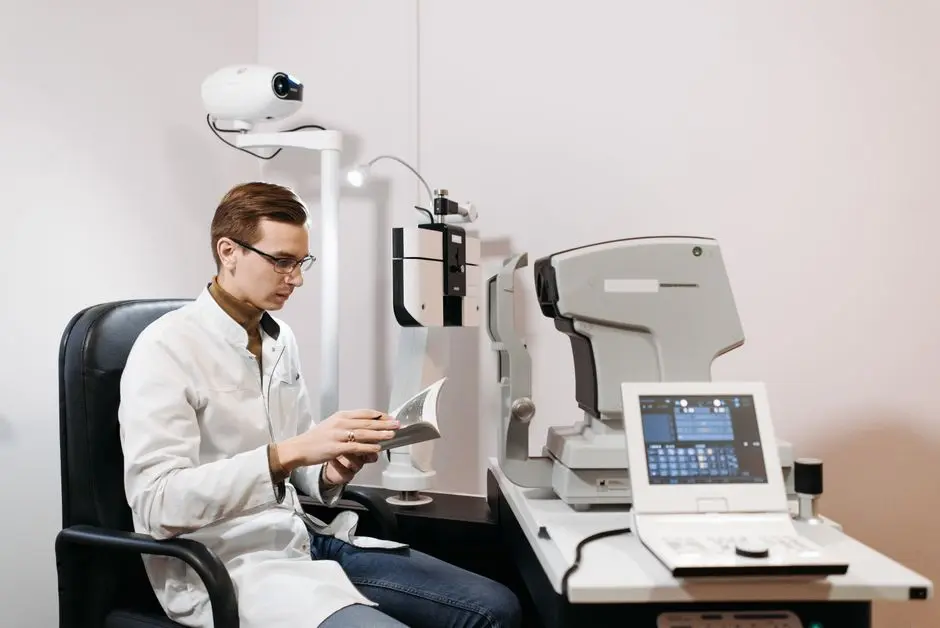
In today’s fast-paced world, maintaining healthy vision is more important than ever. As we age or face certain health conditions, eye surgery can play a crucial role in preserving our sight. Let’s explore how various types of eye surgery contribute to keeping our vision in top shape.
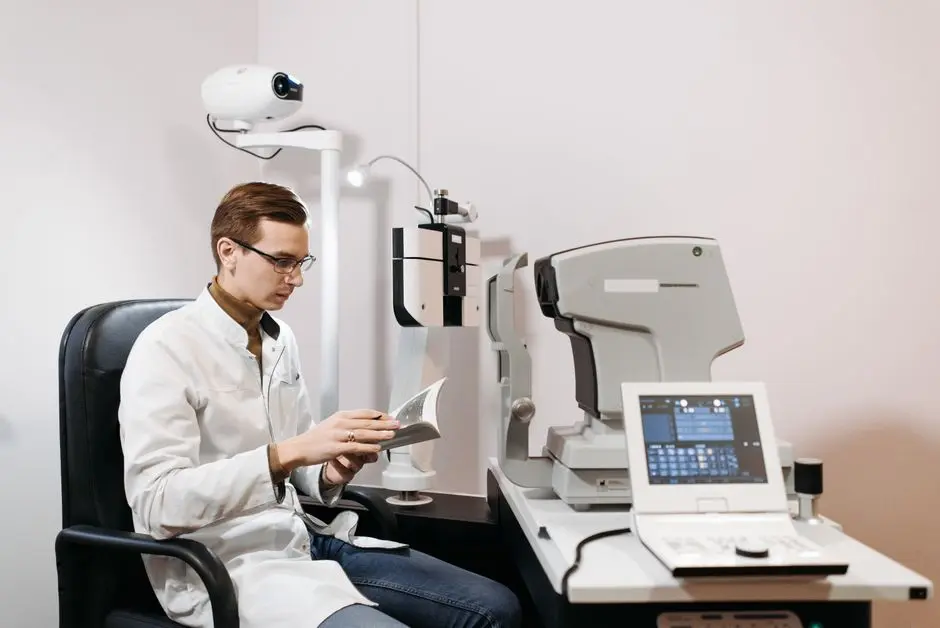
Understanding Common Eye Conditions
Many people encounter eye conditions like cataracts, glaucoma, and macular degeneration as they age. Understanding these common issues is the first step in realizing how surgical interventions can help.
Cataracts, for instance, cause a clouding of the eye’s lens which can lead to blurry vision and difficulty with bright lights. This condition is often associated with aging, but it can also result from trauma or congenital factors. On the other hand, glaucoma—often dubbed the ‘silent thief of sight’—slowly damages the optic nerve, usually due to high intraocular pressure. Without prompt attention, glaucoma can lead to irreversible vision loss. Macular degeneration, another ailment primarily affecting seniors, impacts the center of the retina, causing a gradual decline in sharp, central vision. Recognizing symptoms early and getting a comprehensive eye examination is crucial for early intervention.
In addition to these, conditions like diabetic retinopathy and astigmatism also pose significant threats to vision. Diabetic retinopathy can occur in individuals with diabetes, impacting retinal blood vessels and leading to vision impairment. Astigmatism, meanwhile, is a refractive error that causes distorted vision due to an irregularly shaped cornea or lens. Understanding these conditions emphasizes the importance of regular eye check-ups to ensure timely identification and management.
Types of Eye Surgeries
From LASIK for correcting vision impairments to cataract surgery restoring clear vision, there’s a variety of procedures tailored to address specific eye conditions. Each type of surgery serves a unique purpose in maintaining eye health.
LASIK surgery is one of the most well-known procedures for correcting vision issues such as myopia, hyperopia, and astigmatism. By reshaping the cornea, LASIK can significantly reduce dependence on glasses or contact lenses for clear vision. Meanwhile, cataract surgery is another crucial procedure where the clouded lens of the eye is replaced with a clear artificial one, restoring clear vision to patients. This procedure can completely turn around a person’s ability to see and engage in daily activities, highlighting the vital role it plays in maintaining healthy vision.
For those dealing with specific conditions like glaucoma, options such as trabeculectomy or minimally invasive glaucoma surgeries (MIGS) can help relieve intraocular pressure and preserve remaining vision. Another innovative surgery is the use of retinal implants for conditions like retinitis pigmentosa. These advancements in surgical technology underscore the evolving field of eye care, providing numerous solutions that cater to the diverse needs of patients.
Benefits of Eye Surgery
Eye surgeries often result in significant improvements in vision, bringing enhanced quality of life. For many, surgery can reduce reliance on glasses or contacts and alleviate symptoms of specific eye conditions.
Beyond merely improving vision clarity, correcting refractive errors through surgeries such as LASIK has been shown to offer long-term benefits. Patients often find newfound freedom in activities without the constant need for corrective lenses. Events like swimming or enjoying outdoor activities become more accessible and enjoyable post-surgery, as concerns about glasses or contacts can be significantly reduced. Furthermore, certain procedures can also address underlying health issues, providing dual benefits of improved vision and overall ocular health.
For those with cataracts, undergoing surgery not only restores vision clarity but often transforms the patient’s everyday experiences. Colors appear brighter, and tasks like reading or driving become significantly easier. In a similar vein, individuals who benefit from glaucoma-related interventions often experience stabilized eye health and preserved sight, allowing them to engage with life’s daily demands with confidence.
Risks and Considerations
Like any medical procedure, eye surgery carries potential risks. It’s important to weigh these risks against the benefits and make informed decisions with the guidance of healthcare professionals.
Potential complications, though rare, might include infections, dry eyes, or in some cases, not achieving the desired level of vision correction. Understanding these possibilities helps patients prepare and make well-informed decisions. Pre-surgery consultations are key to assessing if one is a suitable candidate for a specific procedure. During these consultations, discussing medical history, current eye health, and lifestyle needs with an experienced ophthalmologist can provide valuable insights into the best course of action.
It’s also critical to approach eye surgery with realistic expectations. While many procedures offer life-changing outcomes, they may not always result in perfect vision. This makes post-operative care and consistent follow-up appointments essential for ensuring the best results possible. Engaging regularly with dedicated eye care professionals can help manage any unforeseen issues effectively, safeguarding one’s vision for years.
Post-Surgery Recovery and Care
Recovery from eye surgery varies depending on the procedure. Proper care and follow-up visits are essential to ensure successful healing and optimal results. Tips for post-op care can make the recovery smoother and more effective.
Immediately following the procedure, patients might experience minor discomfort or blurriness, which typically subsides within a few days. Doctors often recommend protective eyewear, avoiding strenuous activity, and adhering to prescribed medications or eye drops to prevent infection and promote healing. Attending follow-up appointments is vital, as these sessions allow doctors to monitor progress and address any concerns promptly.
Long-term care after eye surgery also involves maintaining a healthy lifestyle to support overall eye health. This might include a balanced diet rich in omega-3 fatty acids, regular exercise, and protective strategies against UV exposure. With time and adherence to recovery guidelines, many patients find themselves returning to their daily routines with restored confidence and clarity in their vision. For those seeking more information on care and procedures, visiting a trusted professional eye care provider can offer invaluable resources and personalized guidance.
Embracing the Future with Clearer Vision
Eye surgery, though a significant decision, is a powerful tool in the journey of preserving and maintaining healthy vision. With technological advancements and specialized procedures, many individuals regain clarity and comfort in their sight. Remember, regular check-ups with an eye care professional can help determine if surgery is the right option for maintaining your eye health.