
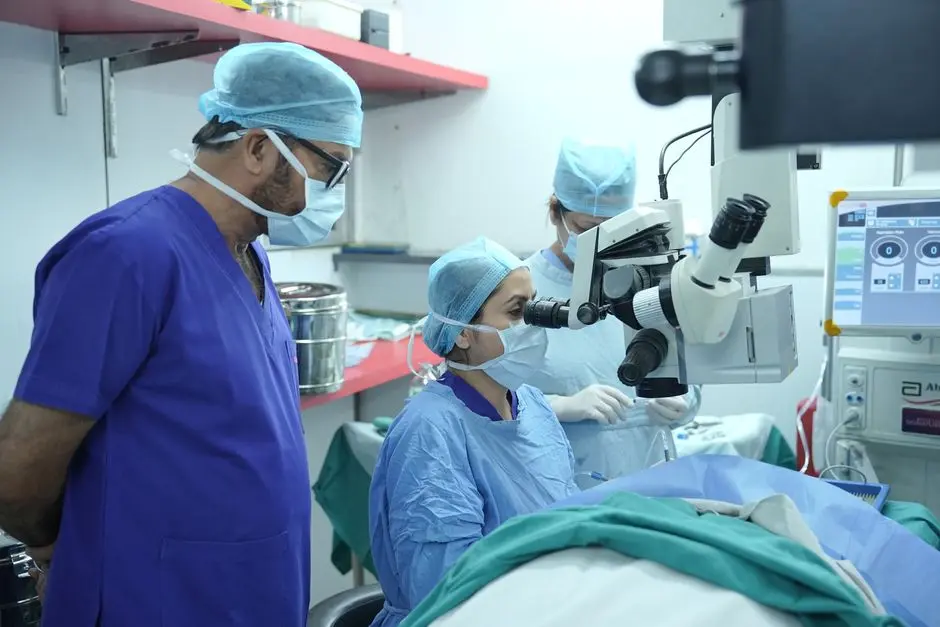
Navigating the realm of cataract surgery can be daunting, especially with so many myths clouding the truth. Let’s uncover some of these misconceptions and shine a light on the real facts about cataract surgery.
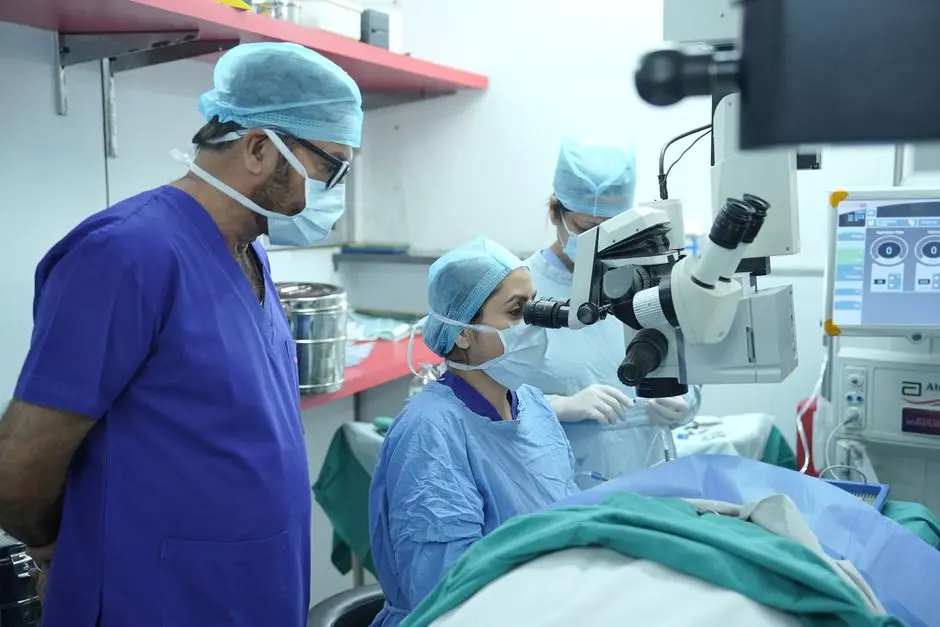
Myth 1: Cataract Surgery Is Painful
Many people fear cataract surgery due to the belief that it is a painful procedure. However, most patients experience little to no discomfort during the surgery thanks to modern techniques and anesthesia.
During the actual procedure, patients are typically awake, but their eyes are numbed with anesthetic eye drops. This ensures that any sensation felt is minimal. Surgeons are adept at keeping patients comfortable and informed throughout the surgery. Additionally, mild sedation can be provided to help relax those who may be anxious. Ultimately, while the thought of eye surgery can be daunting, the reality is far less intimidating and practically pain-free.
Fact: Cataract Surgery Is Highly Effective
Cataract surgery is one of the most successful surgical procedures. It has a high success rate, with most patients experiencing improved vision shortly after the operation.
The procedure boasts a success rate of over 95%, making it one of the most effective surgeries in the medical field. It often takes only about 10 minutes to complete. After the surgery, vision typically improves within a few days, allowing patients to return to their daily routines with clearer sight. The advanced techniques and precision involved in cataract surgery ensure a significant enhancement in vision quality. The overwhelmingly positive outcomes are a testament to the surgery’s effectiveness in restoring and sometimes even improving a patient’s vision beyond their pre-cataract levels.
Myth 2: You Should Wait Until The Cataract Is Fully Mature
Waiting too long to address cataracts can actually make surgery more difficult. It’s often recommended to have the surgery as soon as the cataract begins to affect daily activities.
In the past, it was common to delay surgery until the cataract was “ripe,” but this is no longer the case with modern advancements. Early intervention can provide a smoother recovery and reduce the risk of complications. Surgical techniques have evolved, allowing for successful removal of cataracts at earlier stages. This proactive approach can significantly enhance a person’s quality of life by preventing further vision deterioration and supporting daily activities like reading, driving, and even recognizing faces.
If you find that your cataracts are interfering with your lifestyle, it’s worth consulting with an eye specialist to discuss the best timing for surgery. Our team can guide you on when to consider surgery.
Fact: Quick Recovery Time
Another standout fact about cataract surgery is the relatively quick recovery time. Most patients resume normal activities within a few days, with full recovery in about a month.
Thanks to less invasive techniques, modern cataract surgeries offer a swift recovery. Most patients notice clearer vision within just a day or two post-surgery. Though some minor restrictions apply, such as avoiding strenuous activities or water exposure directly to the eyes, these are typically short-lived inconveniences. Patients often return to routine tasks quite soon, empowered by enhanced vision. This quick recovery process significantly contributes to the surgery’s appeal, as it allows for minimal disruption to daily life, making it a preferred choice for many.
Myth 3: Cataracts Can Grow Back
A common myth is that cataracts can return after surgery. Once a cataract is removed, it does not come back. However, a secondary cataract can develop, which is easily treatable.
Some may confuse the emergence of a ‘secondary cataract’ with the original condition returning. This secondary condition, also known as posterior capsule opacification (PCO), is not uncommon and can occur months or even years after the initial surgery. It’s crucial to note that PCO is easily manageable with a simple laser treatment called YAG laser capsulotomy. This quick, painless procedure restores the clear vision achieved from the initial surgery, ensuring that patients can continue enjoying the benefits of their operation without worry.
Fact: Minimal Risks with Advanced Technology
With advancements in medical technology, the risks involved in cataract surgery are minimal. Surgeons use precise techniques to ensure safety and effectiveness.
Modern cataract surgery techniques have largely mitigated risks, thanks to the precision of laser-assisted surgery and improved lens technologies. These advancements have significantly reduced complication rates, allowing for safer and more predictable outcomes. Patients can discuss personalized treatment options with their ophthalmologists, who use state-of-the-art equipment to ensure optimal results. By staying informed and choosing experienced professionals, patients can experience peace of mind knowing that they are in capable hands.
Furthermore, the development of new intraocular lenses has provided patients with additional options to correct vision problems such as presbyopia and astigmatism during cataract surgery. These solutions enhance post-operative results and cater to each individual’s specific vision needs. The fusion of cutting-edge technology and skilled surgical practices secures a bright outlook for those undergoing cataract surgery today.
Clearing the Fog: Embracing the Truth About Cataract Surgery
Understanding the realities of cataract surgery can alleviate fears and help people make informed decisions. By debunking myths and focusing on facts, individuals can approach this surgery with confidence and clarity.