
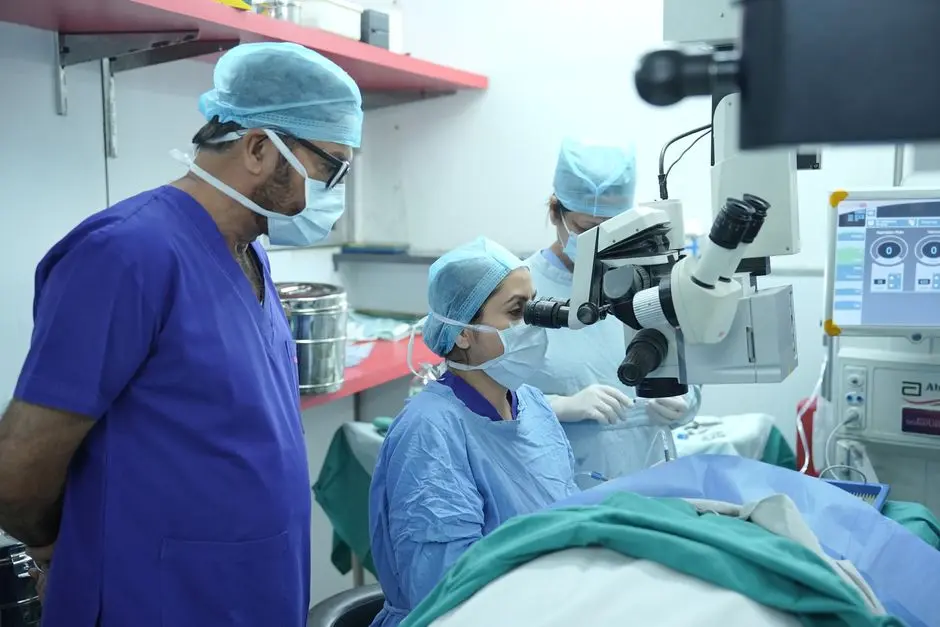
Eye surgery can be a daunting prospect, but understanding what to expect before and after the procedure can alleviate much of the anxiety. In this blog, we’ll walk you through what you need to know for a smoother experience. From pre-surgery preparations to post-operative care, we’ve got you covered.
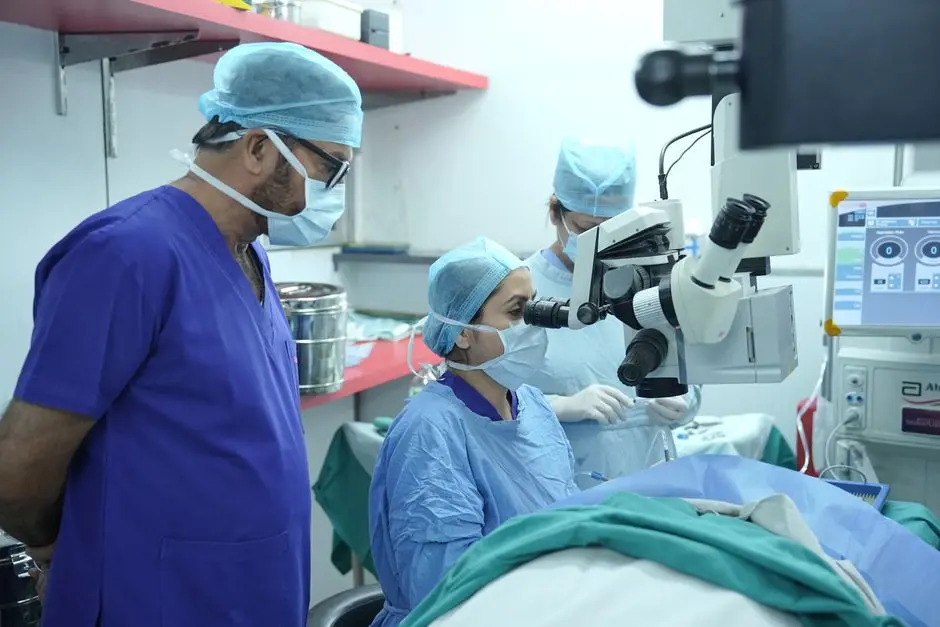
Preparing for Your Eye Surgery
Preparation is key when it comes to eye surgery. This stage involves several steps such as scheduling pre-operative appointments, evaluating your overall health, and understanding the procedure you’ll be undergoing. Learn the necessary dietary restrictions and discuss with your surgeon about any medications you should pause before the surgery.
It’s also crucial to arrange your home environment for a smooth recovery post-surgery. Consider setting up a comfortable space stocked with necessary items like prescribed medications, protective eyewear, and easy-to-prepare meals. If possible, enlist the help of family or friends to assist with daily tasks during the first few days after the procedure. Organizing transportation to and from the surgical center is another important detail not to overlook, as you won’t be able to drive immediately after surgery.
Understanding the Procedure
Before the day of surgery, it’s beneficial to have a clear understanding of the procedure itself. Your surgeon will explain the steps involved, expected outcomes, and potential risks. Don’t hesitate to ask questions or voice any concerns you might have. Knowledge is empowerment.
Different types of eye surgery, such as LASIK, cataract removal, or retinal repair, each come with particular methodologies and recovery timelines. Knowing these specifics allows you to mentally and physically prepare for the experience. For example, procedures like LASIK seek to correct vision through reshaping the cornea, while cataract surgery involves removing the cloudy lens and replacing it with a clear artificial one. Understanding these differences can help set clear expectations.
Keep in mind that every surgery is unique. Factors like your individual health, the complexity of your condition, and your body’s healing capacity could influence the procedure and recovery outcomes. Continuous, open communication with your medical team is key to personalizing your care and maximizing your surgical success.
The Day of Your Surgery: What to Expect
On the day of your surgery, you’ll be greeted by a team of healthcare professionals who will guide you through the process. It typically involves checking in, final consultations with your surgeon, and preparing for anesthesia. Knowing the timeline and what each stage involves can help ease any nerves.
Once you arrive at the surgical facility, you’ll undergo a series of pre-operative checks to ensure everything is ready. This includes verifying your identity, confirming the procedure, and discussing any final instructions regarding your care. You might also be asked to sign consent forms if not already completed. In the preoperation room, a nurse will explain the anesthesia process and address any last-minute concerns you have, ensuring you feel at ease before moving forward.
Immediate Post-Surgery Care
After surgery, you’ll move to a recovery area where your vision and vital signs will be monitored closely. It’s common to experience some discomfort, but medication can help manage the symptoms. Your medical team will provide initial guidance on protecting your eyes and tips for a comfortable recovery.
You might notice your vision is blurry and your eyes are sensitive to light following the operation, which is perfectly normal and largely temporary. To speed up recovery in the immediate hours, you ought to rest as much as possible and shield your eyes from bright light. Doctors often provide specialized eye shields or glasses to protect your eyes and assist in reducing glare and sensitivity during the healing process.
Additionally, you will likely receive a list of activities to avoid, including reading for prolonged periods, using digital screens, and engaging in strenuous exercise. These precautions are vital because they prevent strain and exposure to elements that might impede your healing process.
Long-Term Recovery and Maintenance
Recovery doesn’t stop once you’re home. It includes adhering to prescribed eye drops, attending follow-up appointments, and making lifestyle adjustments as recommended by your doctor. Patience and diligence during this phase are crucial to ensure the best possible outcome.
Developing a mindfulness towards your eye health can significantly enhance long-term recovery. Regular check-ups with your ophthalmologist confirm that your eyes are healing correctly and allow for prompt adjustments to your care plan if needed. Such diligence helps prevent complications and ensure that your surgery yields the desired improvements in vision.
Incorporating simple daily habits, like wearing sunglasses outdoors to protect your eyes from UV damage, practicing good screen habits, and maintaining a healthy diet rich in eye-boosting nutrients, can further support your eye health. Combining these approaches with your surgeon’s guidance is the recipe for a successful recovery and enhanced quality of life.
Embracing Post-Surgery Life with Confidence
Going through eye surgery can be a life-changing experience, opening the door to improved vision and a brighter outlook on life. By preparing thoroughly and following post-operative guidelines, you can ensure a successful recovery. Remember, your healthcare team is there to support you every step of the way.