
For many, the thought of visiting an eye doctor may not seem like a top priority until vision changes become apparent. However, in the case of glaucoma, a condition that can silently steal sight before any warning signs appear, regular eye exams are critical. In this blog, we’ll explore why these exams are essential for effective treatment and management of glaucoma.
Understanding Glaucoma: The Silent Thief of Sight
Glaucoma is a progressive eye disease that damages the optic nerve, often due to high pressure in the eye. This pressure can build up without any noticeable symptoms, slowly and stealthily impacting vision. Many people may not realize the seriousness of glaucoma until significant loss of sight has occurred. This is why it’s often termed the ‘silent thief of sight.’ By the time vision problems become apparent, irreversible damage may have already been done. The disease is particularly insidious because it can affect both eyes without causing immediate symptoms. Understanding glaucoma’s nature underscores the importance of early detection and management.
While anyone can develop glaucoma, certain groups are at higher risk, including individuals over 60, those with a family history of the disease, and people with specific medical conditions like diabetes and high blood pressure. Racial background can also play a role, with individuals of African, Hispanic, or Asian descent showing increased susceptibility. Recognizing these risk factors can help tailor preventative strategies and emphasize the importance of regular screenings. Regular eye exams detect changes in eye pressure early on, allowing for effective intervention. This preventive approach can make a significant difference in outcomes for those at risk.
The Role of Regular Eye Exams in Glaucoma Detection
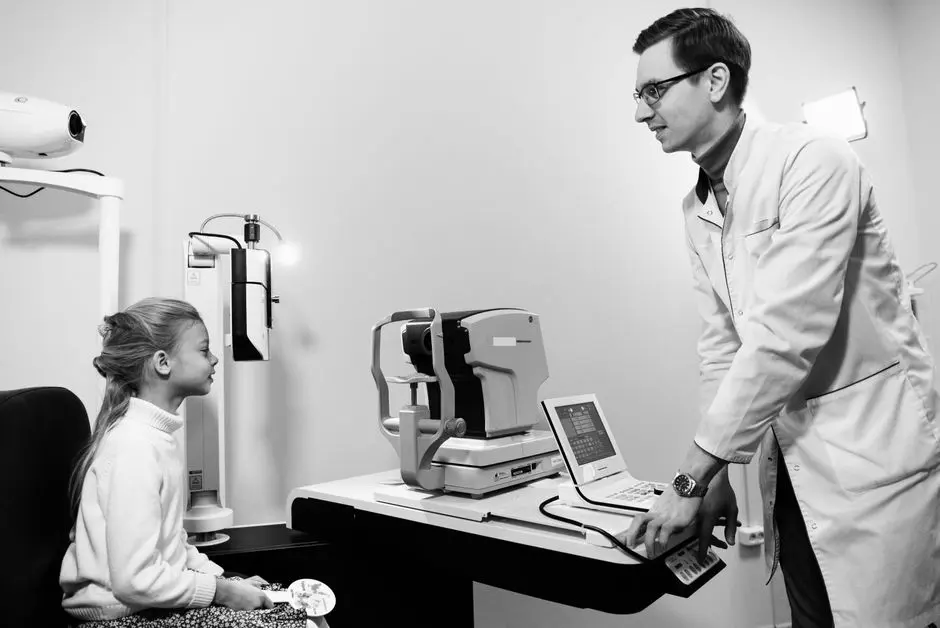
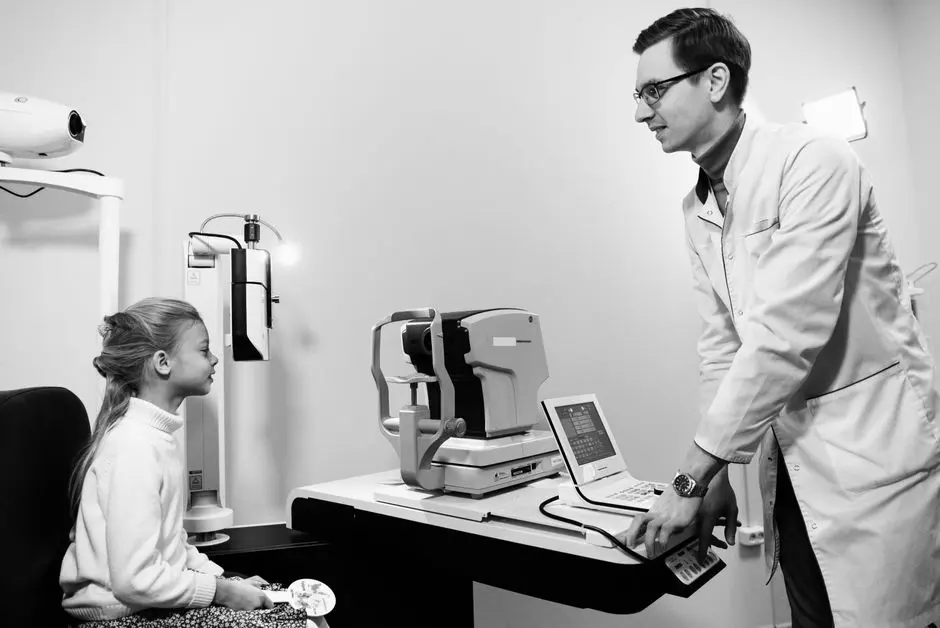
Eye exams are not just about updating your lens prescription. They play a crucial role in overall health, especially when it comes to the early detection of glaucoma. During an eye exam, an optometrist or ophthalmologist will perform tests that measure the pressure in your eye, inspect the drainage angle, and assess the optic nerve for any signs of damage. These tests may include tonometry, which gauges eye pressure, and visual field tests to check for any areas of vision loss.
These exams also offer the opportunity for eye care professionals to discuss any concerns you may have about your vision and eye health. It’s a chance to tailor management strategies specifically for you. The earlier glaucoma is caught, the more options you have to manage it effectively. With regular eye checks, issues can be detected when they are most manageable, potentially preventing more severe damage. This proactive stance is key to preserving vision quality and highlights why eye exams should be a regular part of healthcare routines.
Treatment Options and Their Dependence on Early Detection
When glaucoma is identified early, treatment options are often more effective. Depending on the type and stage of glaucoma, treatment could range from eye drops that help lower eye pressure, to laser treatments and surgical options aimed at improving fluid drainage in the eyes. Eye drops are typically the first line of treatment and work by either decreasing the production of fluid within the eye or increasing its outflow. Consistent use as prescribed can help control the condition effectively.
Surgical options are usually reserved for cases where eye drops and laser treatments aren’t sufficient. These procedures can include trabeculectomy or the installation of drainage tubes, both of which aid in reducing intraocular pressure. However, the success of these interventions largely relies on catching the disease early, before significant nerve damage and vision loss occur. Each case of glaucoma is unique, making personalized treatment plans essential for managing this complex condition. Regular follow-ups and monitoring can fine-tune these plans to ensure they remain effective over time.
How Frequently Should You Get an Eye Exam?
The frequency of eye exams needed often depends on several individual factors such as age, genetic predispositions, and existing health conditions. Most eye care professionals recommend that adults over 40 have a comprehensive eye exam every one to two years, as this is when early signs of eye disease, including glaucoma, might appear. However, individuals with higher risk factors, such as a family history of glaucoma, may need to schedule eye exams more frequently.
Children and young adults who are at lower risk can generally follow a more relaxed schedule, but should still have periodic exams to keep track of their vision health. Importantly, anyone experiencing changes in their vision—such as blurriness, loss of peripheral vision, or seeing halos around lights—should seek an immediate consultation. Keeping on top of these recommendations can help with early identification and treatment, ensuring eye health is maintained throughout life.
Making Eye Health a Part of Your Routine
With our busy lives, it can be easy to de-prioritize routine health checks. However, incorporating them into our schedules can actually save time, stress, and discomfort in the long run. Eye exams can become part of your annual health check-up routine, similar to dental visits or physicals. Setting reminders or booking appointments well in advance can help these exams become a regular part of life.
Maintaining eye health is crucial for preserving quality of life. Beyond exams, wearing sunglasses to protect against UV rays, managing underlying health issues, and adopting eye-safe habits, such as taking breaks during prolonged screen use, are small but effective steps to protect vision. Embracing these habits not only helps prevent glaucoma but also supports overall well-being. By actively investing in eye care, you’re making a smart commitment to your future health and well-being.
Prioritizing Eye Health for a Bright Future
Regular eye exams are a key component in the fight against glaucoma. They provide the groundwork for early detection and timely intervention, helping to preserve vision and improve quality of life. By prioritizing these exams, you’re taking a proactive step in caring for your eye health. Remember, when it comes to glaucoma, the sooner it’s detected, the better the chances of effective treatment. To learn more about how we can assist you on your journey to better eye health, visit our homepage.