The Role of an Eye Clinic in Early Detection of Eye Diseases

Eye clinics play a crucial role in maintaining our visual health. With advancements in eye care technology, these clinics have become instrumental in the early detection and treatment of various eye diseases. In this blog, we’ll explore how eye clinics serve as a frontline defense against eye conditions, ensuring early intervention and better outcomes.
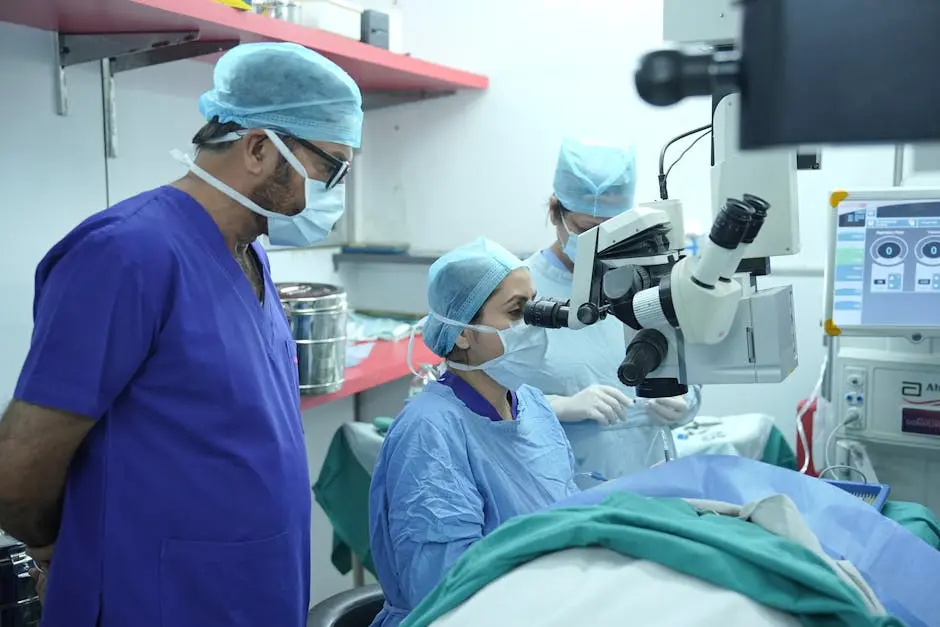
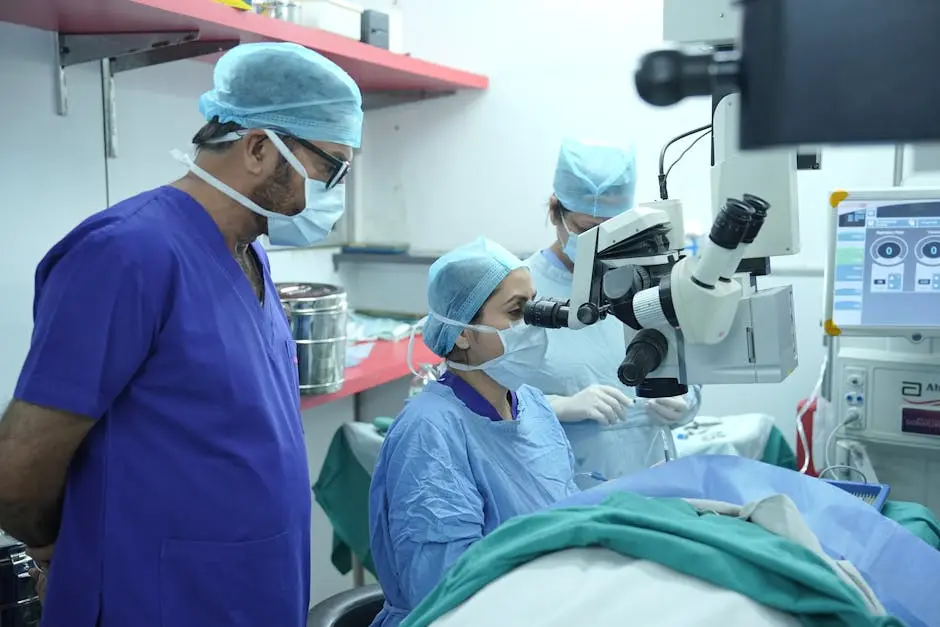
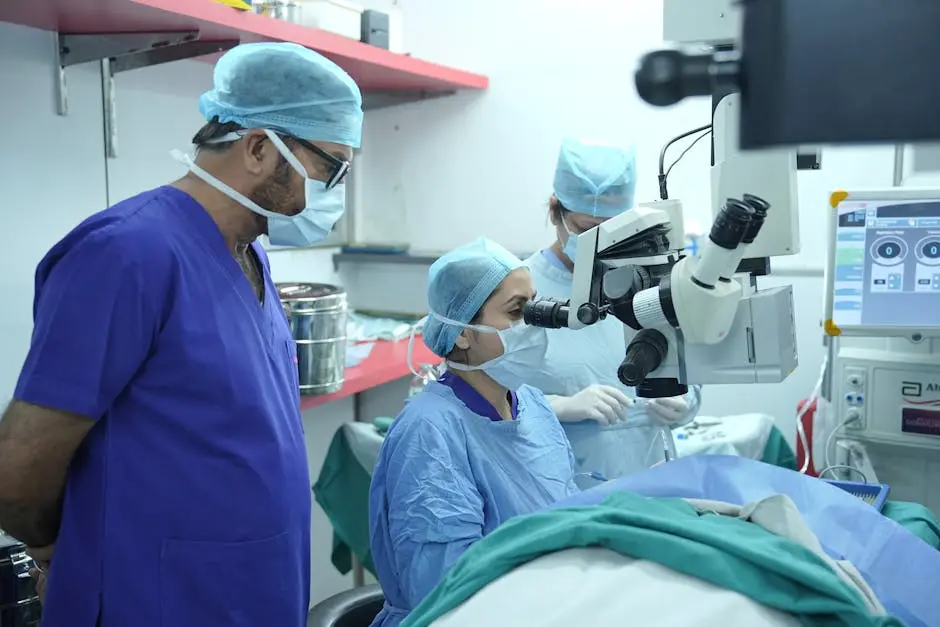
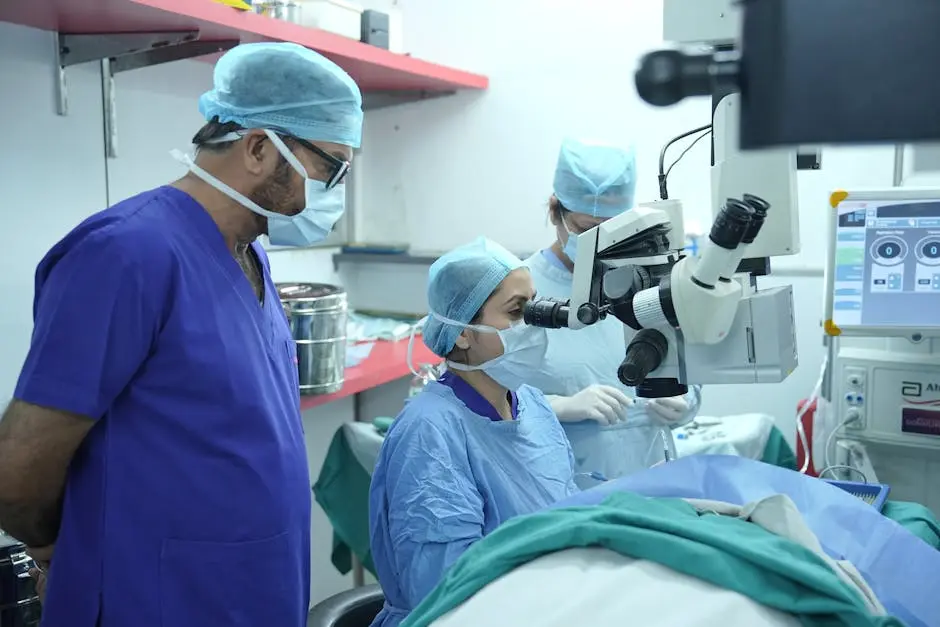
An optometrist operates an eye examination machine in a clinic setting, enhancing visual health care.

Understanding the Importance of Regular Eye Examinations

Regular eye examinations at an eye clinic are essential for catching potential eye issues early. These exams help in detecting vision problems, assessing overall eye health, and identifying conditions that may not yet present noticeable symptoms. Regular check-ups can also provide insights into how lifestyle factors, like excessive screen time or exposure to bright lights, affect your eyes. It is often during a routine eye exam that subtle changes are noticed, which can point towards an underlying issue. Moreover, conditions like hypertension or diabetes can sometimes be first detected through eye exams, proving how interconnected our body systems truly are.

An eye clinic visit isn’t just about checking how well you can see. It’s much more comprehensive. The tests performed can reveal critical health information about underlying systemic diseases. For instance, through regular eye exams, it can become apparent if certain lifestyle changes are affecting your eye health significantly. These exams also offer an excellent opportunity to ask professionals questions about safeguarding your vision and maintaining healthy eyes as you age. By considering the health of your eyes, you are essentially considering your overall health.

Key Eye Diseases Detected Early by Eye Clinics

Eye clinics can spot several eye diseases early, such as glaucoma, cataracts, and age-related macular degeneration. Early detection is crucial for managing these diseases and preventing further vision loss. For instance, glaucoma is often called the ‘silent thief of sight’ because it usually does not present symptoms until significant vision loss has occurred. Eye specialists can also detect macular degeneration in its early stages, which is critical as it allows for interventions that can slow progress significantly, preserving vision for longer.

Early diagnosis of cataracts ensures that treatment can begin before the condition significantly impacts a person’s quality of life. An eye examination can reveal small cataracts that would otherwise go unnoticed. Similarly, diabetic retinopathy, a complication of diabetes that affects the eyes, can be detected during these exams. Eye clinics can identify this condition before any vision impairment occurs, allowing for timely medical intervention, which might include changes in medication or surgical options.

Aside from these, there are many other conditions like retinal detachment or specific infections that might be detected during eye exams. Diabetic retinopathy is another condition detected in initial stages in an eye clinic, which is particularly essential for people with diabetes. Clinics utilize specialized cameras to capture images of the retina, observing any minute changes and ensuring intervention at the earliest.

The Role of Advanced Technology in Eye Clinics

Modern eye clinics are equipped with advanced diagnostic tools that enhance their ability to detect diseases. Technologies like OCT (Optical Coherence Tomography) and digital retinal imaging allow for a more comprehensive examination of the eyes, leading to earlier and more accurate diagnoses. These technologies work by providing high-resolution cross-sectional images of the retina, which can unveil details not visible with traditional methods. For example, OCT is particularly useful in diagnosing and monitoring the progression of glaucoma and macular degeneration, offering a non-invasive approach to track changes in the retina’s layers over time.

Additionally, digital retinal imaging can detect abnormalities that may indicate a risk of stroke or signs of high blood pressure. Eye clinics equipped with these tools can ensure comprehensive monitoring and accurate tracking of changes in the eye’s condition. Adopting these technologies signifies shift towards precision medicine in ophthalmology, allowing practitioners to tailor treatments more effectively to individual patient needs.

How Eye Clinics Personalize Treatment Plans

After diagnosing a condition, an eye clinic tailors a treatment plan to the individual needs of the patient. Personalization in treatment ensures better compliance and outcomes, addressing the unique requirements of each eye condition. Each patient’s medical history, lifestyle, and specific symptoms are considered when devising a treatment strategy. This approach maximizes the efficacy of treatments and minimizes any potential side effects. It’s this level of personalization that can greatly improve a patient’s overall experience and outcome.

Patients receive guidance on lifestyle changes and are educated on maintaining eye health beyond treatment. For instance, patients may be advised on the importance of a diet rich in omega-3 fatty acids, lutein, zinc, and vitamins C and E to potentially combat age-related vision problems. This comprehensive care model sets up patients for long-term health benefits and reinforces the importance of regular follow-ups.

The Benefits of Early Intervention in Eye Health

Early detection and intervention lead to more effective treatment outcomes and can prevent severe complications. By addressing eye diseases early, patients can maintain a higher quality of life and preserve their vision longer. The correlation between early diagnosis and better treatment outcomes is well-documented. By visiting an eye clinic regularly, one ensures that any potential issues are identified and addressed promptly, reducing the risk of irreversible damage. This proactive approach also curtails the healthcare costs in the long run by sidestepping complex procedures or surgeries that might be required if conditions advance unchecked.

Moreover, addressing issues early often allows for less invasive treatment options. For example, less severe cases of glaucoma can be managed effectively with eye drops, and in cases where surgery becomes necessary, less invasive procedures may suffice in the early stages. Quick action not only saves sight but can also emotionally benefit patients by providing peace of mind, knowing that their eye health is in professional hands.

Safeguarding Your Vision: The Essential Role of Eye Clinics

In conclusion, eye clinics are vital in safeguarding our vision through early detection and treatment of eye diseases. Regular eye examinations and timely interventions can prevent complications and maintain healthy eyesight for years. So, next time you’re thinking about skipping that eye exam, remember the significant role eye clinics play in preserving your vision. Visit our website to book your exam today.


Are Dry Eyes a Sign of a More Serious Eye Condition?

Experiencing dry eyes can be uncomfortable and annoying, but could it be a symptom of something more serious? In this FAQ, we will explore the possible connections between dry eyes and more significant eye conditions. Let’s understand when dry eyes are just a standalone issue and when they might warrant a bigger concern.
An optometrist operates an eye examination machine in a clinic setting, enhancing visual health care.

Understanding Dry Eyes

Dry eyes occur when your tears aren’t able to provide adequate lubrication for your eyes. This can happen due to a variety of reasons and can lead to discomfort and visual disturbances.

Our eyes rely on tears to stay moist and comfortable. Tears are not just water; they are a complex mixture of water, oils, and mucus, which together create a protective layer over our eyes. When this balance is disrupted, it can result in dry eyes, leading to symptoms like irritation, burning, and even light sensitivity.

While dry eye symptoms may seem minor at first, even slight changes in tear production or composition can significantly affect the eye surface. Recognizing the signs early can help prevent more severe discomfort later on.

Common Causes of Dry Eyes

From environmental factors to excessive screen time, several common causes can lead to dry eyes. Identifying these can help in managing symptoms effectively.

Factors such as air-conditioning, heat, and wind can aggravate dry eyes. Moreover, activities that reduce blinking, like reading or staring at a computer screen, may lead to insufficient tear spread across the eye surface.

Certain medications, including antihistamines, decongestants, and antidepressants, are known to contribute to dry eye symptoms. Aging also plays a role, as tear production often decreases with age.

When to Worry About Dry Eyes

While often benign, persistent or severe dry eyes can signal underlying issues such as autoimmune diseases or thyroid problems. Knowing the red flags is crucial.

If your dry eyes are accompanied by prolonged redness, pain, or vision changes, it’s important to consider consulting with a healthcare provider. These could be signs of an underlying condition requiring further investigation.

Consistent difficulty in wearing contact lenses or sensitivity to light might indicate an eye surface condition that needs more than home remedies. Don’t hesitate to reach out for a professional opinion.

Conditions Linked with Dry Eyes

Explore conditions like Sjögren’s syndrome and ocular surface disease that are commonly associated with dry eyes and require medical attention.

Sjögren’s syndrome is a chronic autoimmune disorder that commonly causes dry eyes and mouth. It’s crucial to recognize early symptoms since proper management can improve overall quality of life and prevent complications.

Blepharitis, an inflammation of the eyelids, often leads to dry eye symptoms. Understanding the link between eyelid health and dry eyes can help target more effective treatment options.

Seeking Professional Help

If your symptoms are persistent, it’s essential to seek advice from an eye care professional. Early diagnosis and treatment can prevent potential complications.

Many advanced treatments, such as punctal plugs or prescription eye drops, are available that can offer relief for dry eyes. Consult a specialist to explore solutions tailored to your specific needs.

At Eye Associates of Winchester, we provide comprehensive evaluations and specialized care for dry eye conditions, ensuring our patients receive the best possible outcomes. Schedule an appointment today to safeguard your eye health.

Conclusion:

While dry eyes are common and often harmless, they can sometimes be a sign of more serious conditions. Understanding the underlying causes and risk factors can help determine when it’s time to seek professional help. Always trust your eyes to guide you towards maintaining good eye health. To ensure your eye health is in top condition, visiting a local eye care provider like the experts at Eye Associates of Winchester can offer personalized guidance and comprehensive treatment options.


12 Myths About Eye Specialists Debunked

Eye specialists often find themselves surrounded by myths and misconceptions, which can make it difficult for people to understand the vital work they do. In this blog, we’ll debunk some of the most common myths about eye specialists, helping you gain a clearer vision of their expertise and roles.
An optometrist operates an eye examination machine in a clinic setting, enhancing visual health care.

1. Eye Tests Are Only for People with Vision Problems

Many assume that only those with vision issues need to see an eye specialist, but regular eye exams are crucial for maintaining eye health and catching potential problems early. Routine eye tests can detect conditions like glaucoma and macular degeneration, which may not present immediate symptoms but can lead to serious complications if left unnoticed. Eye specialists emphasize the importance of proactive care in preserving your vision and preventing long-term damage.

Scheduling regular eye exams is just as important as routine check-ups with your general physician. Visiting an eye specialist allows for early detection of issues that can result in a better prognosis and treatment plan. For adults, experts recommend comprehensive eye exams every two years, though individuals with a history of eye disorders may need more frequent visits. Regular testing not only evaluates your current eye health but also establishes a health baseline for future comparisons.

2. All Eye Specialists are the Same

Contrary to popular belief, there are different types of eye specialists, including optometrists, ophthalmologists, and opticians, each playing unique roles in eye care. Optometrists primarily focus on vision testing and correction, prescribing glasses and contact lenses. They are also trained to diagnose and manage certain eye diseases. Ophthalmologists are medical doctors with additional training to perform surgeries and treat comprehensive eye conditions. Meanwhile, opticians create and fit eyewear based on the prescriptions provided by optometrists and ophthalmologists.

Understanding these differences not only helps you choose the right specialist for your needs but also ensures you’re getting appropriate care. For instance, if you require surgical treatment for cataracts, an ophthalmologist would be the most suitable choice. Meanwhile, for routine prescriptions and general eye health maintenance, visiting an optometrist might suffice. Knowing the distinctions among these professionals enhances your confidence in receiving specialized, tailored care that caters specifically to your eye health needs.

3. Eye Specialists Only Prescribe Glasses or Contacts

Although they do provide corrective lenses, eye specialists also diagnose and treat eye diseases, perform surgeries, and offer a range of eye health services. For example, eye specialists can identify serious conditions such as diabetic retinopathy and offer treatment plans that may include medication, therapy, or surgery. Regularly consulting with an eye specialist ensures that any eye health concerns are promptly addressed, possibly preventing more serious complications in the future.

Furthermore, eye specialists are equipped to advise on preventative measures that can reduce the risk of developing eye diseases. They aid patients in understanding and implementing lifestyle changes such as maintaining a balanced diet, protecting their eyes from UV exposure, and managing conditions like hypertension that can adversely affect eye health. By broadening the scope of care beyond vision correction, eye specialists play a crucial role in overall health and well-being, contributing to both clearer sight and a higher quality of life.

4. Vision Loss Is a Normal Part of Aging

While eyesight changes with age, not all vision loss is inevitable. Eye specialists can help manage and treat many conditions associated with aging eyes. Age-related macular degeneration and cataracts are common among older adults but with regular visits to an eye specialist, these issues can be addressed effectively through timely intervention. Treatments like surgery for cataracts or therapeutic measures for macular degeneration often result in significant improvements in vision.

In addition to managing existing conditions, eye specialists prescribe preventive actions to minimize the effects of aging on eyesight. Increasing awareness about the importance of taking proactive measures helps empower individuals to maintain eye health. Proper nutrition, protective eyewear, and managing chronic conditions like diabetes are pivotal components in preserving eye function and delaying age-related decline. Eye specialists serve as valuable partners in crafting personalized strategies to maintain vision quality throughout the later stages of life.

5. You Only Need to See an Eye Specialist If You Have Symptoms

Regular visits to an eye specialist are important even if you have no symptoms, as many eye conditions can develop silently without immediate signs. Conditions like glaucoma can progress without exhibiting symptoms until noticeable vision loss occurs. By scheduling periodic eye exams, early detection is possible, effectively managing such conditions before they result in severe consequences. Preventive care through routine eye check-ups is essential in maintaining optimal eye health and preventing future complications.

Additionally, regular eye exams can reveal underlying systemic health issues that manifest through the eye. For instance, diseases like hypertension and diabetes can show early signs in the eyes. Eye specialists work collaboratively with other healthcare providers to ensure comprehensive care, safeguarding both vision and general health. Embracing this proactive approach to eye health can lead to timely interventions, extended periods of clear vision, and an overall improvement in life quality.

6. Screen Time Always Causes Lasting Eye Damage

While screens can lead to temporary discomfort, eye specialists can provide guidance on how to protect your eyes from screen-related strain. The discomfort often results from digital eye strain, characterized by symptoms like dry eyes and blurred vision. Strategies to alleviate these symptoms include the 20-20-20 rule—taking a 20-second break to look at something 20 feet away every 20 minutes—which helps reduce overexertion.

Protective measures, such as adjusting screen brightness or using specialized glasses that filter out blue light, help alleviate strain during prolonged screen usage. Eye specialists are well-versed in these techniques and can advise on the most effective measures to ensure comfort without compromising productivity. With the appropriate guidance, potential impacts from screen time can be minimized, maintaining both eye health and clarity despite regular digital device usage.

7. Wearing Glasses Will Weaken Your Eyes

Glasses simply correct vision and do not make your eyesight weaker. Eye specialists determine the right prescription to help you see clearly. Corrective lenses focus light correctly on the retina, enabling sharper and more accurate vision. Without the appropriate correction, eyes can exert excessive effort to focus, leading to strain but not worsening the eye’s inherent optical characteristics.

The myth that glasses weaken eyes may stem from the perception that increasing prescription strength over time signifies dependency. However, changes in prescription often result from natural factors like aging rather than the use of corrective lenses. Eye specialists evaluate ocular health and prescriptions regularly, ensuring lenses continually align with visual needs and protect eyes from additional strain risk while facilitating optimal vision performance.

8. All Eye Drops Are the Same

Eye drops serve different purposes. Consulting an eye specialist is vital to ensure you’re using the right kind for your specific needs. Whether for lubrication, treating infections, or reducing inflammation, eye drops are formulated uniquely to address various conditions and symptoms. Using inappropriate drops may exacerbate problems or prolong discomfort, underscoring the importance of specialist recommendations.

For instance, over-the-counter lubricating drops help alleviate dry eyes, but those with medicated components address allergies or bacterial infections more effectively. Prescription drops, often essential in managing conditions like glaucoma, require careful adherence to usage instructions from eye specialists. Correct usage under professional guidance ensures symptoms are managed effectively, maintaining comfort and avoiding unnecessary complications. Eye specialists’ expertise ensures that eye drops enhance both health outcomes and overall comfort.

9. Laser Eye Surgery is Dangerous

Eye specialists perform laser surgeries with high precision and safety protocols, and they can achieve fantastic results for eligible patients. Modern advancements have significantly improved both the safety and effectiveness of laser procedures like LASIK and PRK. These surgeries correct refractive errors, reducing dependency on corrective lenses, and are often completed within minutes.

Though all surgeries carry some risk, eye specialists conduct thorough evaluations to ensure candidates meet all safety criteria, minimizing potential complications. Comprehensive pre-operative assessments and post-operative care further enhance safety profiles and recovery outcomes. Discussing laser surgery options with eye specialists provides clarity on risks versus benefits, equipping individuals with the knowledge necessary to make informed decisions regarding their vision improvement paths.

10. Children Don’t Need Eye Exams

Eye specialists recommend that children have early and regular eye exams to detect and correct vision problems that could affect learning and development. Early detection of issues such as amblyopia (lazy eye) or strabismus (crossed eyes) allows for timely and effective interventions, minimizing their impact on the child’s development and academic performance.

Beyond treating existing issues, eye exams help determine whether children require any accommodation in learning environments to maximize educational outcomes. By implementing early interventions, eye specialists can significantly enhance quality of life, facilitating balanced development across social, physical, and educational dimensions. Parents thus supportive proactive approaches alongside periodic specialist consultations, empowering children to navigate developmental milestones seamlessly.

11. Sunglasses Are Just Fashion Accessories

Quality sunglasses protect your eyes from harmful UV rays. An eye specialist can advise on the best type to wear for suitable protection. Adequate UV protection reduces the risk of conditions such as cataracts and macular degeneration, which can arise from prolonged exposure to sunlight without proper safeguarding.

Effective sunglasses filter out both UVA and UVB rays, with specialized lenses offering different levels of protection catered to specific needs. Factors like lens material, coating, and fit contribute significantly to sunglasses’ efficacy in preserving ocular health. Eye specialists assist in selecting sunglasses, ensuring they align with individual lifestyles and exposure levels. Through informed shopping under professional guidance, sunglasses serve not merely as fashion statements but more importantly as crucial protective gear to safeguard long-term eye health.

12. Eye Specialists Don’t Handle Emergency Situations

Eye specialists are trained to deal with eye emergencies, from sudden vision changes to injuries, providing timely and effective care. Prompt responses in emergencies, like retinal detachment or severe ocular trauma, are crucial to preserving vision. Specialists’ expertise ensures accurate diagnoses, which inform appropriate emergency intervention plans and prompt referrals if necessary.

The scope of emergencies addressed by eye specialists extends beyond traumatic injuries to sudden symptom onset, like vision loss or significant pain. Patients should seek timely consultation with eye specialists to avoid exacerbating serious conditions through delay. In emergency scenarios, rapid contact with eye specialists ensures the most effective treatment plans, safeguarding visual health and helping prevent long-term complications arising from delaying prompt medical attention.


7 Ways to Prevent Dry Eyes from Computer Use

In our tech-driven world, staring at screens for extended periods has become a part of everyday life. However, this often leads to the irritating issue of dry eyes. Don’t worry! There are simple and effective strategies you can implement to keep your eyes comfortable and healthy while using your computer.
Teenager wearing eyewear focused on using a desktop computer indoors with a retro vibe.

1. Adjust Your Screen Settings

Brightness, contrast, and font size can all contribute to eye strain. Ensuring that your screen settings are optimal for your environment reduces the risk of dry eyes. A straightforward adjustment is to match your screen brightness with the ambient light around you. If you’re working in a dimly lit room, reduce the screen brightness to avoid your eyes working extra hard adjusting between extremes. Additionally, consider increasing the text size on your screen to prevent squinting, which can further strain your eyes.

Don’t forget about the color temperature of your screen. Warmer colors are easier on the eyes because they reduce the amount of blue light emitted from the screen, which is a common cause of eye discomfort. Many devices have built-in night mode or blue light filter settings. Utilize these features to ease the strain during extended use, especially at night.

2. Observe the 20-20-20 Rule

Every 20 minutes spent looking at the screen, take a 20-second break by staring at something 20 feet away. This practice, known as the 20-20-20 rule, helps in reducing eye strain and maintaining eye moisture. The act of refocusing your eyes regularly not only gives your eye muscles some much-needed rest but can also alleviate the sensation of dryness.

Employing this rule consistently can have a notable impact on your eye health. For a more automated experience, set reminders using apps or even an alarm on your phone or computer. Incorporating this small routine makes a huge difference and helps prevent eye fatigue from prolonged screen exposure.

Conscious blinking helps to keep your eyes moist and refresh their surface. It might sound simple, but blinking frequently combats dryness. When you are focused on your screen, your blink rate can drop significantly, leading to increased evaporation of the tears that protect the eye surface. Making a conscious effort to blink more frequently helps in maintaining a healthy tear film.

Introduce micro-breaks throughout your day to relax your eyes and encourage blinking. This can be a valuable practice during intense work sessions, providing relief and keeping dry eye symptoms at bay. It’s an easy, natural way to ensure your eyes remain hydrated and comfortable, improving your overall screen-use experience.

4. Use Artificial Tears

Lubricating eye drops can significantly reduce dryness and irritation. They’re a quick fix for immediate relief, especially during long computer sessions. When selecting artificial tears, opt for preservative-free options to minimize any potential irritation. These drops act as supplemental moisture, coating your eyes and enhancing your natural tear layer.

Keep a bottle of these eye drops handy at your desk for convenient use whenever you start feeling the symptoms of dry eyes. Regular use can prevent discomfort during those long hours at your computer, creating a protective shield to ensure smooth and healthy eye function.

5. Maintain Proper Posture

Sitting too close or too far from your display can impact your eyes’ comfort. Ensure your computer screen is at eye level and about an arm’s length away. This positioning minimizes neck strain and ensures your eyes aren’t straining to adjust to inappropriate distances. The right posture also supports natural blinking and reduces dryness by allowing you to effortlessly maintain the 20-20-20 rule.

6. Reduce Glare

Glare from windows or overhead lighting can exacerbate eye strain. Positioning your screen to avoid direct light can alleviate this issue. Consider using an anti-glare screen protector to soften the reflections, making it easier and more comfortable to read and work.

Invest in adjustable blinds or curtains to manage natural light levels in your workspace, reducing unwanted glare and bright spots on your screen. By creating an environment where glare is minimized, you’re less likely to feel discomfort, maintaining your focus and eye health throughout your workday.

7. Invest in Computer Eyewear

Specialized glasses for computer use help to filter harmful blue light and reduce eye strain, offering another layer of protection. These glasses are designed to optimize visual contrast and enhance focus, ideally suited for those who spend significant time in front of screens.

They are an excellent investment for anyone who wants to protect their eyes against prolonged exposure to screens. By adding another layer of defense, computer eyewear makes it easier to work longer hours comfortably and can be particularly beneficial for those experiencing chronic dry eye symptoms.


Why is a vision test important for eye health?

Vision tests are essential for maintaining optimal eye health. They can detect problems early and ensure that your eyes are functioning as they should. In this blog, we’ll delve into why regular vision tests are crucial and how they contribute to overall eye wellness.
A medical professional performs an eye exam on a young girl in a clinic setting.

Detecting Eye Conditions Early

Early detection is paramount when it comes to eye health. Vision tests can help identify issues such as glaucoma, cataracts, and age-related macular degeneration in their early stages, leading to more effective treatments. By catching these conditions early, it’s easier to manage them before they severely impact your vision.

For instance, when issues like cataracts are detected early, they can be monitored and treated with surgical intervention before they worsen significantly. Regular vision tests are key in facilitating this early detection, enabling timely and efficient management of any identified problem.

Vision tests also play an important role in finding common vision impairments like astigmatism and myopia early on. Addressing these issues promptly can prevent further complications and ensure that your eyesight remains as clear as possible.

Updating Your Prescription

Having an up-to-date prescription ensures your corrective lenses are optimal for your vision needs. Regular vision tests can detect any changes in your vision that may require a revision of your eyeglasses or contact lenses.

Regular vision tests are crucial because our eyesight can change over time due to factors such as aging and lifestyle changes. By keeping your prescription current, you can maintain optimal visual clarity and reduce eye strain that can occur from using outdated corrective lenses.

Preventing Eye Strain and Fatigue

With the increasing use of digital devices, eye strain and fatigue have become common issues. Vision tests can help tailor solutions specific to digital eye strain, ensuring comfort during extended screen time.

Prolonged screen exposure can lead to symptoms such as blurred vision, headaches, and dry eyes. Vision tests can identify the need for specialized lenses that can filter blue light and reduce glare, which are both effective strategies in combating digital eye strain.

Ensuring Overall Eye Health

Beyond vision correction, comprehensive vision tests assess the overall health of your eyes. They help in monitoring conditions such as diabetes and high blood pressure, which can affect eye health if unchecked.

Furthermore, comprehensive eye exams can uncover signs of systemic diseases like hypertension, which can present through changes in the blood vessels in the eyes. By detecting these signs early, individuals can be alerted to potential health risks that may require further medical attention.

Thus, these tests do more than just evaluate your vision—they offer a window into your overall health. By keeping a regular schedule of eye exams, you take a holistic approach to your wellbeing, protecting both your vision and your general health.

The Vital Role of Routine Vision Testing

In conclusion, regular vision tests play a vital role in preserving eye health by detecting minor issues before they escalate into serious concerns. Embrace proactive measures and prioritize routine eye check-ups to enjoy a lifetime of clear and healthy vision. To learn more about preserving your eye health, visit the Eye Associates of Winchester.


Can Lifestyle Changes Help Alleviate Dry Eyes?

Dry eyes can be an irritating and persistent problem for many. While there are medical treatments available, lifestyle changes can play a significant role in alleviating symptoms. In this blog, we’ll explore the most effective ways to manage dry eyes by adjusting daily habits.
Flat lay setup of contact lenses with eyeglasses for eye care on a white background.

Understanding the Causes of Dry Eyes

Before tackling dry eyes through lifestyle changes, it’s essential to understand what causes them. Common causes include prolonged screen time, poor air quality, and dehydration. Another significant factor is age; as we get older, our bodies naturally produce fewer tears. Medications and health conditions like allergies or autoimmune diseases can also contribute to dry eyes.

Additionally, environmental factors such as wind, smoke, or dry climates can exacerbate symptoms. For some, contact lens wear can be a persistent irritant, though switching to lenses designed for dry eyes or limiting contact lens use might provide relief. Knowing these root causes can help in customizing lifestyle changes to effectively target your specific triggers.

Step 1: Stay Hydrated

Adequate water intake is crucial for maintaining healthy tear production. Make it a habit to drink at least eight glasses of water a day to help keep your eyes moist. Staying hydrated ensures that your body can produce tears effectively, which are necessary for eye lubrication.

Incorporating foods with high water content, such as fruits and vegetables, can complement your hydration efforts. Options like cucumbers, watermelons, and oranges are not only refreshing but also rich in vitamins that benefit your overall eye health. Remember, consistent hydration is key to reducing the discomfort associated with dry eyes.

Step 2: Adjust Screen Time

Take regular breaks when using screens. Implement the 20-20-20 rule: every 20 minutes, look at something 20 feet away for at least 20 seconds to reduce eye strain and dryness. This simple adjustment can make a significant difference.

Consider adjusting the brightness of your screens to match the light level of your surroundings, and make use of blue light filters to minimize strain. Position your screen about an arm’s length away from your face and slightly below your eye level, reducing the need to widen your eyes, which can dry them out further.

Step 3: Improve Indoor Air Quality

Use a humidifier to add moisture to the air, especially during the winter months. Avoid direct air flow from fans or air conditioning on your face. Placing a humidifier in your frequently used rooms can significantly reduce dryness.

You might also consider indoor plants, which can naturally increase humidity while purifying the air. Choose varieties like peace lilies or spider plants, known for their resilience and air-cleansing properties. Such changes not only enhance the ambiance but also contribute positively to your eye health.

Step 4: Eat a Balanced Diet

Incorporate foods rich in Omega-3 fatty acids, like salmon and flaxseeds, which help reduce inflammation and support tear production. Adding walnuts and chia seeds to your meals can also provide a healthy boost to your Omega-3 intake.

Additionally, vitamins like A, C, and E play a crucial role in maintaining eye health. Carrots, kale, and sweet potatoes are excellent sources of these vitamins. A diet enriched with these nutrients not only addresses dryness but also supports your overall vision health.

Step 5: Practice Good Eye Hygiene

Ensure regular cleaning of eyelids and use artificial tears or lubricating eye drops as needed to maintain eye moisture. This simple hygiene practice can prevent irritants and bacteria from exacerbating dryness.

Consider using a warm compress on your eyes in the evenings. The warmth can help to unblock the glands responsible for tear production, offering relief from the symptoms of dry eyes. Routine practice of good eye hygiene can serve as a preventive measure, making your eyes more resilient to environmental factors.

Conclusion: Taking Control of Dry Eyes Through Lifestyle

Incorporating these lifestyle changes can greatly improve the comfort and health of your eyes. While they may not replace medical treatments, they can complement them effectively and reduce the severity of dry eye symptoms. Remember to consult with a healthcare professional if symptoms persist.