12 Common Eye Conditions Treated at an Eye Clinic

Your eyes are your windows to the world, and just like any part of the body, they can develop certain conditions that need care and attention. Visiting an eye clinic can help address these issues before they become more serious. In this blog, we’ll explore some of the common eye conditions and how they are treated, all in a simple, easy-to-understand manner.

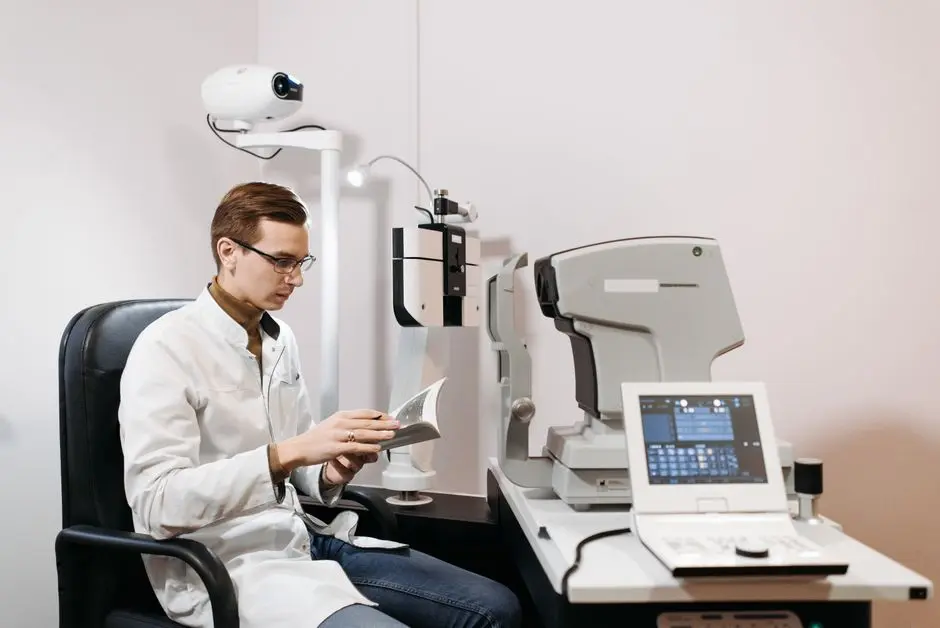
An optometrist operates an eye examination machine in a clinic setting, enhancing visual health care.

1. Cataracts and Their Impact

Cataracts develop when the lens of the eye becomes cloudy, impairing vision. At an eye clinic, treatment usually involves surgical removal of the cataract and replacing it with a clear artificial lens. Cataracts often develop slowly and can affect one or both eyes, leading to symptoms such as blurry vision, faded colors, and poor night vision.

The surgery is typically outpatient, meaning patients can return home the same day. It’s essential to get regular eye examinations to diagnose cataracts early and determine the right timing for surgery to ensure optimal outcomes.

2. Understanding Glaucoma

Glaucoma is a group of conditions that damage the optic nerve, often due to high eye pressure. Eye clinics provide treatments like eye drops, laser treatments, or surgery to manage this condition. It’s known as the ‘silent thief of sight’ because it gradually steals vision without obvious symptoms until significant damage has occurred.

Regular eye exams are crucial for early detection because once vision is lost, it cannot be regained. Early treatment can help protect your eyes against serious vision loss.

3. Macular Degeneration Explained

Age-related macular degeneration (AMD) affects the central part of your vision, making tasks like reading or recognizing faces challenging. Eye clinics offer options such as dietary changes, medications, or laser therapy to slow its progression. Many recommend a diet rich in leafy greens and omega-3 fatty acids to help preserve eye health.

Though there’s no cure, advanced treatments in clinics focus on managing symptoms and slowing the disease’s progression. Regular monitoring is essential for those at risk.

4. Dry Eye Syndrome

Dry eyes occur when tears can’t provide adequate lubrication, leading to discomfort and blurred vision. Treatment at an eye clinic may include prescribing artificial tears, medications, or procedures to reduce tear drainage. Office environments with excessive screen exposure can exacerbate symptoms, making it vital to take breaks and blink often during work.

For some, lifestyle changes such as using a humidifier in the home and drinking ample water can soothe symptoms. Clinics may also suggest specialized treatments like punctal plugs that help retain moisture in the eyes.

5. Refractive Errors and Solutions

Refractive errors, which include nearsightedness, farsightedness, and astigmatism, affect how light is focused on the retina, causing blurred vision. Eye clinics offer corrective measures such as glasses, contact lenses, or LASIK surgery. Each treatment offers unique benefits: glasses are a simple, non-invasive option, while LASIK provides a more permanent solution.

Advanced diagnostic tools at clinics ensure precise prescriptions that cater to individual needs. It’s fascinating how our eyes, despite their complex nature, can be assisted with technology to grant clear vision.

6. Diabetic Retinopathy Overview

This condition results from damage to the blood vessels in the retina due to diabetes, which can lead to vision loss. Eye clinics provide laser treatment and surgical options to prevent further vision loss. Managing blood sugar levels is crucial in reducing the risk of developing diabetic retinopathy.

Regular visits to the eye clinic for comprehensive eye exams are vital for early detection and management. Patients with diabetes should pay extra attention to their eye health to protect their vision.

7. The Concern of Eye Infections

Eye infections like conjunctivitis can be uncomfortable and contagious, leading to itching, redness, and discharge. Eye clinics treat these with medications that address the underlying cause, whether bacterial, viral, or allergic. It is important to practice good hygiene, such as not touching your eyes and washing your hands frequently, to prevent the spread of infections.

For persistent infections, further investigation may be necessary to rule out underlying issues. Clinics constantly update their treatment plans to incorporate the latest research and medical advances.

8. Retinal Detachment Risks

A retinal detachment involves the retina pulling away from its normal position, which can lead to sudden vision loss. Clinicians perform surgery to reattach the retina and restore vision. Symptoms like seeing flashes of light or floaters should prompt immediate evaluation at an eye clinic.

Time is of the essence when dealing with retinal detachment, and prompt surgical intervention is often necessary to preserve sight. Patients should be aware of any sudden changes in vision and seek help quickly.

9. Dealing with Eye Allergies

Eye allergies can cause itching, redness, and swelling, making everyday tasks unbearable. Eye clinics provide antihistamine drops or other treatments to alleviate these symptoms. Identifying and avoiding allergy triggers, such as pollen or pet dander, can also help manage symptoms effectively.

For more persistent cases, clinics may recommend additional therapies to increase comfort and improve quality of life. Regular cleaning of linens and using air purifiers can also contribute to reducing allergens.

10. Lazy Eye and Its Treatment

Lazy eye, or amblyopia, is where one eye doesn’t develop proper vision. Treatment includes patching the stronger eye to improve the weaker eye or vision therapy at eye clinics. Early diagnosis in childhood significantly increases the chance of full correction and recovery of vision.

Clinics use various methods to strengthen the visual processing of the weaker eye, ensuring both eyes work more effectively together. It’s inspiring how targeted therapy can result in a significant improvement in visual function.

11. Exploring Presbyopia

Presbyopia is the gradual loss of near vision with age, making it difficult to read small print or focus on nearby objects. Eye clinics often recommend reading glasses, bifocals, or contact lenses to manage this condition. It’s a natural part of aging, generally becoming noticeable in your early to mid-40s.

Adaptive solutions like progressive lenses provide a seamless transition between prescriptions, enhancing comfort and convenience for everyday tasks. As technology advances, options for presbyopia management continue to improve, making it easier for patients to adjust.

12. Eye Strain in the Digital Age

Digital eye strain is common with prolonged screen time, causing discomfort, headaches, and blurred vision. Clinics suggest strategies like screen breaks, proper lighting, and computer glasses to reduce discomfort. Implementing the 20-20-20 rule—looking away every 20 minutes at something 20 feet away for 20 seconds—can significantly reduce strain.

With the increasing use of digital devices, awareness of digital eye strain is more pronounced. Eye clinics offer personalized advice and advanced options like blue light filters to combat the effects of extended screen exposure and help maintain eye health.

The Importance of Regular Eye Exams for Effective Glaucoma Treatment

For many, the thought of visiting an eye doctor may not seem like a top priority until vision changes become apparent. However, in the case of glaucoma, a condition that can silently steal sight before any warning signs appear, regular eye exams are critical. In this blog, we’ll explore why these exams are essential for effective treatment and management of glaucoma.
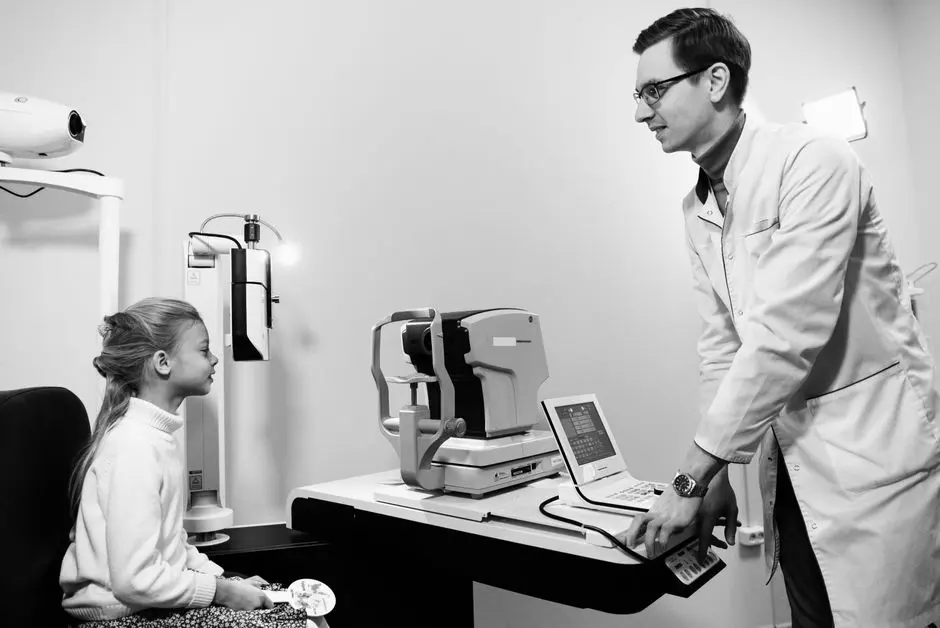
A doctor performs an eye examination on a young girl using advanced equipment in a clinical setting.

Understanding Glaucoma: The Silent Thief of Sight

Glaucoma is a progressive eye disease that damages the optic nerve, often due to high pressure in the eye. This pressure can build up without any noticeable symptoms, slowly and stealthily impacting vision. Many people may not realize the seriousness of glaucoma until significant loss of sight has occurred. This is why it’s often termed the ‘silent thief of sight.’ By the time vision problems become apparent, irreversible damage may have already been done. The disease is particularly insidious because it can affect both eyes without causing immediate symptoms. Understanding glaucoma’s nature underscores the importance of early detection and management.

While anyone can develop glaucoma, certain groups are at higher risk, including individuals over 60, those with a family history of the disease, and people with specific medical conditions like diabetes and high blood pressure. Racial background can also play a role, with individuals of African, Hispanic, or Asian descent showing increased susceptibility. Recognizing these risk factors can help tailor preventative strategies and emphasize the importance of regular screenings. Regular eye exams detect changes in eye pressure early on, allowing for effective intervention. This preventive approach can make a significant difference in outcomes for those at risk.

The Role of Regular Eye Exams in Glaucoma Detection

Eye exams are not just about updating your lens prescription. They play a crucial role in overall health, especially when it comes to the early detection of glaucoma. During an eye exam, an optometrist or ophthalmologist will perform tests that measure the pressure in your eye, inspect the drainage angle, and assess the optic nerve for any signs of damage. These tests may include tonometry, which gauges eye pressure, and visual field tests to check for any areas of vision loss.

These exams also offer the opportunity for eye care professionals to discuss any concerns you may have about your vision and eye health. It’s a chance to tailor management strategies specifically for you. The earlier glaucoma is caught, the more options you have to manage it effectively. With regular eye checks, issues can be detected when they are most manageable, potentially preventing more severe damage. This proactive stance is key to preserving vision quality and highlights why eye exams should be a regular part of healthcare routines.

Treatment Options and Their Dependence on Early Detection

When glaucoma is identified early, treatment options are often more effective. Depending on the type and stage of glaucoma, treatment could range from eye drops that help lower eye pressure, to laser treatments and surgical options aimed at improving fluid drainage in the eyes. Eye drops are typically the first line of treatment and work by either decreasing the production of fluid within the eye or increasing its outflow. Consistent use as prescribed can help control the condition effectively.

Surgical options are usually reserved for cases where eye drops and laser treatments aren’t sufficient. These procedures can include trabeculectomy or the installation of drainage tubes, both of which aid in reducing intraocular pressure. However, the success of these interventions largely relies on catching the disease early, before significant nerve damage and vision loss occur. Each case of glaucoma is unique, making personalized treatment plans essential for managing this complex condition. Regular follow-ups and monitoring can fine-tune these plans to ensure they remain effective over time.

How Frequently Should You Get an Eye Exam?

The frequency of eye exams needed often depends on several individual factors such as age, genetic predispositions, and existing health conditions. Most eye care professionals recommend that adults over 40 have a comprehensive eye exam every one to two years, as this is when early signs of eye disease, including glaucoma, might appear. However, individuals with higher risk factors, such as a family history of glaucoma, may need to schedule eye exams more frequently.

Children and young adults who are at lower risk can generally follow a more relaxed schedule, but should still have periodic exams to keep track of their vision health. Importantly, anyone experiencing changes in their vision—such as blurriness, loss of peripheral vision, or seeing halos around lights—should seek an immediate consultation. Keeping on top of these recommendations can help with early identification and treatment, ensuring eye health is maintained throughout life.

Making Eye Health a Part of Your Routine

With our busy lives, it can be easy to de-prioritize routine health checks. However, incorporating them into our schedules can actually save time, stress, and discomfort in the long run. Eye exams can become part of your annual health check-up routine, similar to dental visits or physicals. Setting reminders or booking appointments well in advance can help these exams become a regular part of life.

Maintaining eye health is crucial for preserving quality of life. Beyond exams, wearing sunglasses to protect against UV rays, managing underlying health issues, and adopting eye-safe habits, such as taking breaks during prolonged screen use, are small but effective steps to protect vision. Embracing these habits not only helps prevent glaucoma but also supports overall well-being. By actively investing in eye care, you’re making a smart commitment to your future health and well-being.

Prioritizing Eye Health for a Bright Future

Regular eye exams are a key component in the fight against glaucoma. They provide the groundwork for early detection and timely intervention, helping to preserve vision and improve quality of life. By prioritizing these exams, you’re taking a proactive step in caring for your eye health. Remember, when it comes to glaucoma, the sooner it’s detected, the better the chances of effective treatment. To learn more about how we can assist you on your journey to better eye health, visit our homepage.


What Should I Know Before Starting Glaucoma Treatment?

Beginning glaucoma treatment can feel overwhelming, but understanding the basics can empower you to take control of your eye health. This guide walks you through key points to consider before starting treatment.
Detailed view of ophthalmology equipment used for eye examinations in a clinic setting.

Understanding Glaucoma and Its Effects

Glaucoma is a group of eye conditions that can cause damage to the optic nerve, often resulting in vision loss. It’s crucial to recognize that there are different types of glaucoma. The most common types include open-angle glaucoma, angle-closure glaucoma, and normal-tension glaucoma. Each affects the eyes in different ways, typically related to the pressure within the eye.

Recognizing the symptoms early can make a significant difference. Symptoms might be subtle such as slight blurriness in vision or more acute like eye pain and headaches. Understanding these warning signs assists in early detection and management, crucial for preserving your vision.

Consultation with an Eye Specialist

Having a consultation with an eye specialist is your first step towards effectively managing glaucoma. An ophthalmologist will conduct thorough examinations to assess the health of your eyes. This includes measurements of intraocular pressure, visual field tests, and optic nerve imaging. These tests form the basis of a comprehensive treatment plan tailored to your needs.

During the consultation, share your medical history and any symptoms you’re experiencing. Full disclosure of your health can guide your doctor in choosing the best intervention for you. Don’t hesitate to ask questions—your understanding of the condition is crucial for successful treatment.

Exploring Treatment Options

Glaucoma treatments vary in their approaches and invasiveness. Initial treatment usually starts with medications, specifically eye drops, aimed at lowering eye pressure. These medications can reduce the production of aqueous fluid within the eyes or improve its outward flow.

In cases where medications don’t adequately control the eye pressure, surgical options such as laser therapy might be recommended. Procedures like trabeculoplasty or iridotomy help facilitate the fluid’s exit out of the eye. Understanding these treatment options and their outcomes is essential for making informed decisions.

Emerging treatments and technologies, including minimally invasive glaucoma surgeries (MIGS), provide additional options for those who might not respond well to conventional therapies. Discussing these alternatives with your doctor can open up newer avenues of managing the disease.

Risks and Benefits of Treatment

Every medical treatment comes with its own set of potential risks and benefits, and glaucoma therapy is no different. Medications might occasionally cause side effects like burning or stinging sensations, temporary blurring of vision, or even more systemic effects such as fatigue or changes in blood pressure.

Meanwhile, surgical interventions often involve recovery periods and potential complications such as infection or a decrease in vision quality. It’s vital to clearly discuss these possibilities with your doctor to weigh the benefits of halting disease progression against the potential downsides.

Shared decision-making, whereby you and your healthcare provider jointly decide on the best course of action, can lead to more personalized and satisfactory treatment outcomes.

Understanding Costs and Insurance Coverage

Initiating glaucoma treatment involves considering the financial aspects. Costs can vary widely depending on the complexity of your condition and the treatments required.

Investigate your insurance plans to understand what they cover. Many insurance plans include basic costs of medications and surgical procedures, but out-of-pocket expenses can still arise. Knowing the possible financial commitments ahead of time enables better planning and management.

Taking advantage of available assistance programs for prescription coverage and financing healthcare procedures might alleviate some of these financial burdens. Eye Associates of Winchester can guide you through payment plans and financial aid options here.

Preparing for Lifestyle Adjustments

Glaucoma treatment may necessitate lifestyle changes to optimize its effectiveness. Incorporating a routine for taking medications, attending regular check-ups, and monitoring your vision are pivotal components.

Diet and exercise can also play a role in managing glaucoma. A healthy lifestyle supporting overall well-being and eye health includes maintaining a balanced diet rich in leafy greens and omega-3 fatty acids, alongside regular physical activity that promotes cardiovascular health.

Understanding the holistic approach to glaucoma management can ensure a healthier future. For more guidance on adjusting your lifestyle following a glaucoma diagnosis, Eye Associates of Winchester offers personalized consultations for developing effective management strategies.

Final Thoughts on Glaucoma Treatment

As you embark on your glaucoma treatment journey, remember that staying informed and proactive is key. Regular appointments, following your treatment plan, and open communication with your healthcare provider will help you manage your eye health effectively.


What to Expect Before and After Your Eye Surgery

Eye surgery can be a daunting prospect, but understanding what to expect before and after the procedure can alleviate much of the anxiety. In this blog, we’ll walk you through what you need to know for a smoother experience. From pre-surgery preparations to post-operative care, we’ve got you covered.
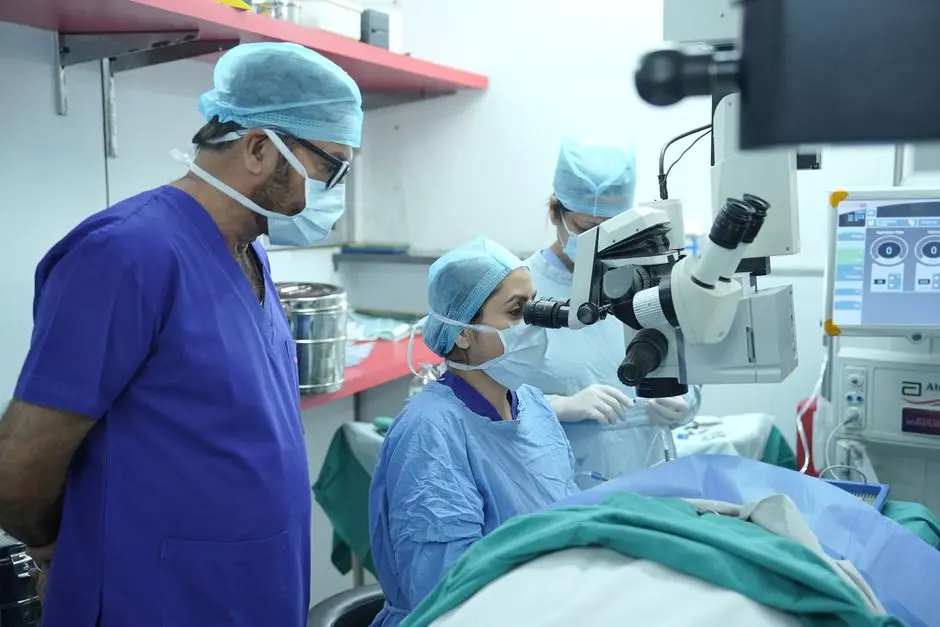
Surgeons performing eye surgery in a New Delhi hospital operating room.

Preparing for Your Eye Surgery

Preparation is key when it comes to eye surgery. This stage involves several steps such as scheduling pre-operative appointments, evaluating your overall health, and understanding the procedure you’ll be undergoing. Learn the necessary dietary restrictions and discuss with your surgeon about any medications you should pause before the surgery.

It’s also crucial to arrange your home environment for a smooth recovery post-surgery. Consider setting up a comfortable space stocked with necessary items like prescribed medications, protective eyewear, and easy-to-prepare meals. If possible, enlist the help of family or friends to assist with daily tasks during the first few days after the procedure. Organizing transportation to and from the surgical center is another important detail not to overlook, as you won’t be able to drive immediately after surgery.

Understanding the Procedure

Before the day of surgery, it’s beneficial to have a clear understanding of the procedure itself. Your surgeon will explain the steps involved, expected outcomes, and potential risks. Don’t hesitate to ask questions or voice any concerns you might have. Knowledge is empowerment.

Different types of eye surgery, such as LASIK, cataract removal, or retinal repair, each come with particular methodologies and recovery timelines. Knowing these specifics allows you to mentally and physically prepare for the experience. For example, procedures like LASIK seek to correct vision through reshaping the cornea, while cataract surgery involves removing the cloudy lens and replacing it with a clear artificial one. Understanding these differences can help set clear expectations.

Keep in mind that every surgery is unique. Factors like your individual health, the complexity of your condition, and your body’s healing capacity could influence the procedure and recovery outcomes. Continuous, open communication with your medical team is key to personalizing your care and maximizing your surgical success.

The Day of Your Surgery: What to Expect

On the day of your surgery, you’ll be greeted by a team of healthcare professionals who will guide you through the process. It typically involves checking in, final consultations with your surgeon, and preparing for anesthesia. Knowing the timeline and what each stage involves can help ease any nerves.

Once you arrive at the surgical facility, you’ll undergo a series of pre-operative checks to ensure everything is ready. This includes verifying your identity, confirming the procedure, and discussing any final instructions regarding your care. You might also be asked to sign consent forms if not already completed. In the preoperation room, a nurse will explain the anesthesia process and address any last-minute concerns you have, ensuring you feel at ease before moving forward.

Immediate Post-Surgery Care

After surgery, you’ll move to a recovery area where your vision and vital signs will be monitored closely. It’s common to experience some discomfort, but medication can help manage the symptoms. Your medical team will provide initial guidance on protecting your eyes and tips for a comfortable recovery.

You might notice your vision is blurry and your eyes are sensitive to light following the operation, which is perfectly normal and largely temporary. To speed up recovery in the immediate hours, you ought to rest as much as possible and shield your eyes from bright light. Doctors often provide specialized eye shields or glasses to protect your eyes and assist in reducing glare and sensitivity during the healing process.

Additionally, you will likely receive a list of activities to avoid, including reading for prolonged periods, using digital screens, and engaging in strenuous exercise. These precautions are vital because they prevent strain and exposure to elements that might impede your healing process.

Long-Term Recovery and Maintenance

Recovery doesn’t stop once you’re home. It includes adhering to prescribed eye drops, attending follow-up appointments, and making lifestyle adjustments as recommended by your doctor. Patience and diligence during this phase are crucial to ensure the best possible outcome.

Developing a mindfulness towards your eye health can significantly enhance long-term recovery. Regular check-ups with your ophthalmologist confirm that your eyes are healing correctly and allow for prompt adjustments to your care plan if needed. Such diligence helps prevent complications and ensure that your surgery yields the desired improvements in vision.

Incorporating simple daily habits, like wearing sunglasses outdoors to protect your eyes from UV damage, practicing good screen habits, and maintaining a healthy diet rich in eye-boosting nutrients, can further support your eye health. Combining these approaches with your surgeon’s guidance is the recipe for a successful recovery and enhanced quality of life.

Embracing Post-Surgery Life with Confidence

Going through eye surgery can be a life-changing experience, opening the door to improved vision and a brighter outlook on life. By preparing thoroughly and following post-operative guidelines, you can ensure a successful recovery. Remember, your healthcare team is there to support you every step of the way.


Common Myths and Facts About Cataract Surgery

Navigating the realm of cataract surgery can be daunting, especially with so many myths clouding the truth. Let’s uncover some of these misconceptions and shine a light on the real facts about cataract surgery.
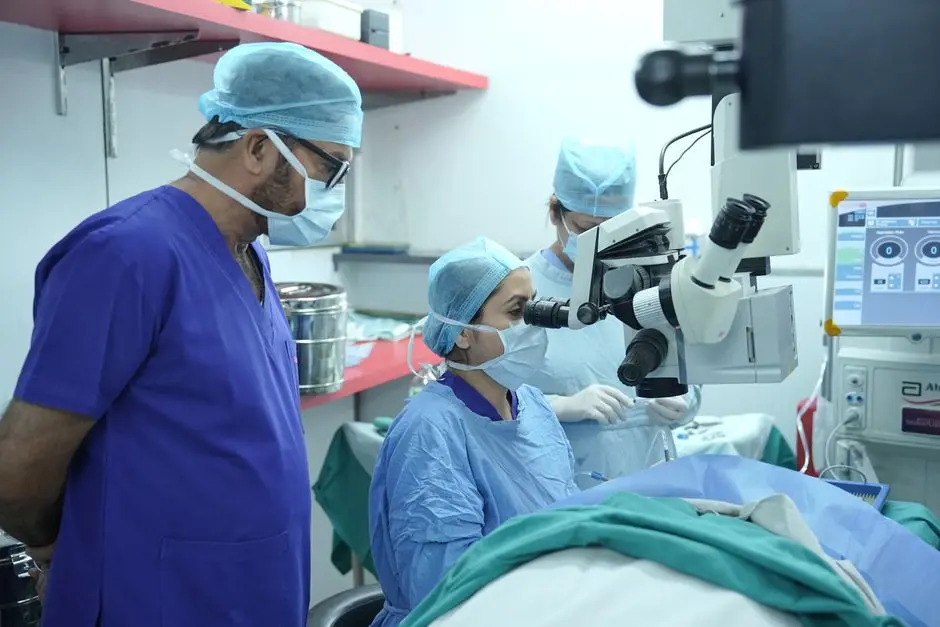
Surgeons performing eye surgery in a New Delhi hospital operating room.

Myth 1: Cataract Surgery Is Painful

Many people fear cataract surgery due to the belief that it is a painful procedure. However, most patients experience little to no discomfort during the surgery thanks to modern techniques and anesthesia.

During the actual procedure, patients are typically awake, but their eyes are numbed with anesthetic eye drops. This ensures that any sensation felt is minimal. Surgeons are adept at keeping patients comfortable and informed throughout the surgery. Additionally, mild sedation can be provided to help relax those who may be anxious. Ultimately, while the thought of eye surgery can be daunting, the reality is far less intimidating and practically pain-free.

Fact: Cataract Surgery Is Highly Effective

Cataract surgery is one of the most successful surgical procedures. It has a high success rate, with most patients experiencing improved vision shortly after the operation.

The procedure boasts a success rate of over 95%, making it one of the most effective surgeries in the medical field. It often takes only about 10 minutes to complete. After the surgery, vision typically improves within a few days, allowing patients to return to their daily routines with clearer sight. The advanced techniques and precision involved in cataract surgery ensure a significant enhancement in vision quality. The overwhelmingly positive outcomes are a testament to the surgery’s effectiveness in restoring and sometimes even improving a patient’s vision beyond their pre-cataract levels.

Myth 2: You Should Wait Until The Cataract Is Fully Mature

Waiting too long to address cataracts can actually make surgery more difficult. It’s often recommended to have the surgery as soon as the cataract begins to affect daily activities.

In the past, it was common to delay surgery until the cataract was “ripe,” but this is no longer the case with modern advancements. Early intervention can provide a smoother recovery and reduce the risk of complications. Surgical techniques have evolved, allowing for successful removal of cataracts at earlier stages. This proactive approach can significantly enhance a person’s quality of life by preventing further vision deterioration and supporting daily activities like reading, driving, and even recognizing faces.

If you find that your cataracts are interfering with your lifestyle, it’s worth consulting with an eye specialist to discuss the best timing for surgery. Our team can guide you on when to consider surgery.

Fact: Quick Recovery Time

Another standout fact about cataract surgery is the relatively quick recovery time. Most patients resume normal activities within a few days, with full recovery in about a month.

Thanks to less invasive techniques, modern cataract surgeries offer a swift recovery. Most patients notice clearer vision within just a day or two post-surgery. Though some minor restrictions apply, such as avoiding strenuous activities or water exposure directly to the eyes, these are typically short-lived inconveniences. Patients often return to routine tasks quite soon, empowered by enhanced vision. This quick recovery process significantly contributes to the surgery’s appeal, as it allows for minimal disruption to daily life, making it a preferred choice for many.

Myth 3: Cataracts Can Grow Back

A common myth is that cataracts can return after surgery. Once a cataract is removed, it does not come back. However, a secondary cataract can develop, which is easily treatable.

Some may confuse the emergence of a ‘secondary cataract’ with the original condition returning. This secondary condition, also known as posterior capsule opacification (PCO), is not uncommon and can occur months or even years after the initial surgery. It’s crucial to note that PCO is easily manageable with a simple laser treatment called YAG laser capsulotomy. This quick, painless procedure restores the clear vision achieved from the initial surgery, ensuring that patients can continue enjoying the benefits of their operation without worry.

Fact: Minimal Risks with Advanced Technology

With advancements in medical technology, the risks involved in cataract surgery are minimal. Surgeons use precise techniques to ensure safety and effectiveness.

Modern cataract surgery techniques have largely mitigated risks, thanks to the precision of laser-assisted surgery and improved lens technologies. These advancements have significantly reduced complication rates, allowing for safer and more predictable outcomes. Patients can discuss personalized treatment options with their ophthalmologists, who use state-of-the-art equipment to ensure optimal results. By staying informed and choosing experienced professionals, patients can experience peace of mind knowing that they are in capable hands.

Furthermore, the development of new intraocular lenses has provided patients with additional options to correct vision problems such as presbyopia and astigmatism during cataract surgery. These solutions enhance post-operative results and cater to each individual’s specific vision needs. The fusion of cutting-edge technology and skilled surgical practices secures a bright outlook for those undergoing cataract surgery today.

Clearing the Fog: Embracing the Truth About Cataract Surgery

Understanding the realities of cataract surgery can alleviate fears and help people make informed decisions. By debunking myths and focusing on facts, individuals can approach this surgery with confidence and clarity.


The Role of Eye Surgery in Maintaining Healthy Vision

In today’s fast-paced world, maintaining healthy vision is more important than ever. As we age or face certain health conditions, eye surgery can play a crucial role in preserving our sight. Let’s explore how various types of eye surgery contribute to keeping our vision in top shape.
Eye care professional in clinic using ophthalmology equipment, wearing glasses and a lab coat.

Understanding Common Eye Conditions

Many people encounter eye conditions like cataracts, glaucoma, and macular degeneration as they age. Understanding these common issues is the first step in realizing how surgical interventions can help.

Cataracts, for instance, cause a clouding of the eye’s lens which can lead to blurry vision and difficulty with bright lights. This condition is often associated with aging, but it can also result from trauma or congenital factors. On the other hand, glaucoma—often dubbed the ‘silent thief of sight’—slowly damages the optic nerve, usually due to high intraocular pressure. Without prompt attention, glaucoma can lead to irreversible vision loss. Macular degeneration, another ailment primarily affecting seniors, impacts the center of the retina, causing a gradual decline in sharp, central vision. Recognizing symptoms early and getting a comprehensive eye examination is crucial for early intervention.

In addition to these, conditions like diabetic retinopathy and astigmatism also pose significant threats to vision. Diabetic retinopathy can occur in individuals with diabetes, impacting retinal blood vessels and leading to vision impairment. Astigmatism, meanwhile, is a refractive error that causes distorted vision due to an irregularly shaped cornea or lens. Understanding these conditions emphasizes the importance of regular eye check-ups to ensure timely identification and management.

Types of Eye Surgeries

From LASIK for correcting vision impairments to cataract surgery restoring clear vision, there’s a variety of procedures tailored to address specific eye conditions. Each type of surgery serves a unique purpose in maintaining eye health.

LASIK surgery is one of the most well-known procedures for correcting vision issues such as myopia, hyperopia, and astigmatism. By reshaping the cornea, LASIK can significantly reduce dependence on glasses or contact lenses for clear vision. Meanwhile, cataract surgery is another crucial procedure where the clouded lens of the eye is replaced with a clear artificial one, restoring clear vision to patients. This procedure can completely turn around a person’s ability to see and engage in daily activities, highlighting the vital role it plays in maintaining healthy vision.

For those dealing with specific conditions like glaucoma, options such as trabeculectomy or minimally invasive glaucoma surgeries (MIGS) can help relieve intraocular pressure and preserve remaining vision. Another innovative surgery is the use of retinal implants for conditions like retinitis pigmentosa. These advancements in surgical technology underscore the evolving field of eye care, providing numerous solutions that cater to the diverse needs of patients.

Benefits of Eye Surgery

Eye surgeries often result in significant improvements in vision, bringing enhanced quality of life. For many, surgery can reduce reliance on glasses or contacts and alleviate symptoms of specific eye conditions.

Beyond merely improving vision clarity, correcting refractive errors through surgeries such as LASIK has been shown to offer long-term benefits. Patients often find newfound freedom in activities without the constant need for corrective lenses. Events like swimming or enjoying outdoor activities become more accessible and enjoyable post-surgery, as concerns about glasses or contacts can be significantly reduced. Furthermore, certain procedures can also address underlying health issues, providing dual benefits of improved vision and overall ocular health.

For those with cataracts, undergoing surgery not only restores vision clarity but often transforms the patient’s everyday experiences. Colors appear brighter, and tasks like reading or driving become significantly easier. In a similar vein, individuals who benefit from glaucoma-related interventions often experience stabilized eye health and preserved sight, allowing them to engage with life’s daily demands with confidence.

Risks and Considerations

Like any medical procedure, eye surgery carries potential risks. It’s important to weigh these risks against the benefits and make informed decisions with the guidance of healthcare professionals.

Potential complications, though rare, might include infections, dry eyes, or in some cases, not achieving the desired level of vision correction. Understanding these possibilities helps patients prepare and make well-informed decisions. Pre-surgery consultations are key to assessing if one is a suitable candidate for a specific procedure. During these consultations, discussing medical history, current eye health, and lifestyle needs with an experienced ophthalmologist can provide valuable insights into the best course of action.

It’s also critical to approach eye surgery with realistic expectations. While many procedures offer life-changing outcomes, they may not always result in perfect vision. This makes post-operative care and consistent follow-up appointments essential for ensuring the best results possible. Engaging regularly with dedicated eye care professionals can help manage any unforeseen issues effectively, safeguarding one’s vision for years.

Post-Surgery Recovery and Care

Recovery from eye surgery varies depending on the procedure. Proper care and follow-up visits are essential to ensure successful healing and optimal results. Tips for post-op care can make the recovery smoother and more effective.

Immediately following the procedure, patients might experience minor discomfort or blurriness, which typically subsides within a few days. Doctors often recommend protective eyewear, avoiding strenuous activity, and adhering to prescribed medications or eye drops to prevent infection and promote healing. Attending follow-up appointments is vital, as these sessions allow doctors to monitor progress and address any concerns promptly.

Long-term care after eye surgery also involves maintaining a healthy lifestyle to support overall eye health. This might include a balanced diet rich in omega-3 fatty acids, regular exercise, and protective strategies against UV exposure. With time and adherence to recovery guidelines, many patients find themselves returning to their daily routines with restored confidence and clarity in their vision. For those seeking more information on care and procedures, visiting a trusted professional eye care provider can offer invaluable resources and personalized guidance.

Embracing the Future with Clearer Vision

Eye surgery, though a significant decision, is a powerful tool in the journey of preserving and maintaining healthy vision. With technological advancements and specialized procedures, many individuals regain clarity and comfort in their sight. Remember, regular check-ups with an eye care professional can help determine if surgery is the right option for maintaining your eye health.