Exploring Modern Glaucoma Treatment Options for Better Vision

Glaucoma is a complex eye condition that affects millions of people worldwide. With advances in medical science, there are now several treatment options available that can help preserve vision and improve quality of life. In this blog, we’ll explore these modern treatments, providing you with a clear understanding of your options.
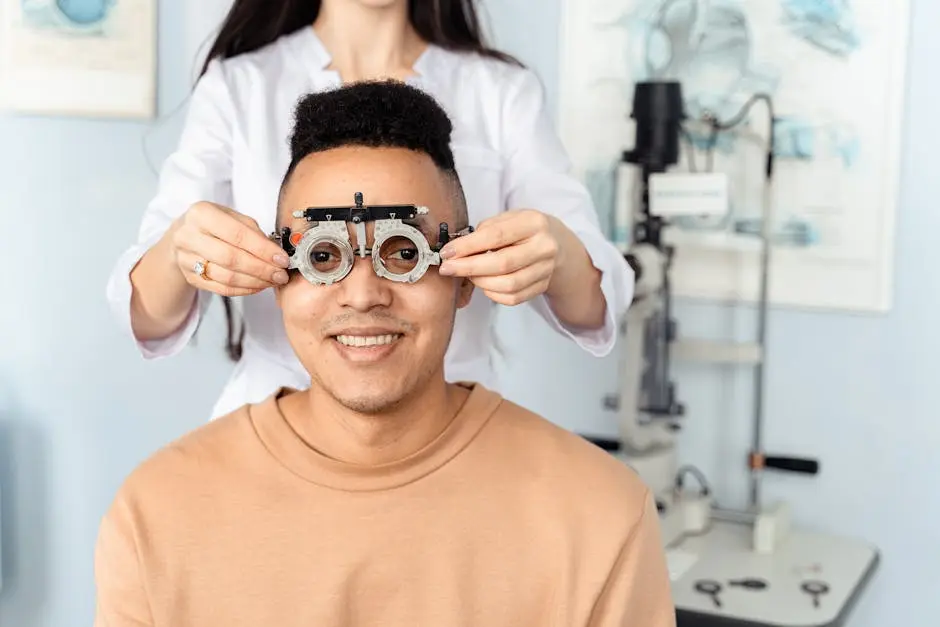
A man receiving an eye exam with a phoropter in an optometry clinic setting.

Understanding Glaucoma and Its Impact on Vision

Glaucoma is often referred to as the ‘silent thief of sight’ because it can progress without noticeable symptoms. Understanding its impact is the first step in tackling its challenges.

The condition is primarily associated with elevated pressure in the eye, which can damage the optic nerve. This pressure, referred to as intraocular pressure, builds up due to inadequate drainage of the aqueous humor, a fluid in the eye. Over time, this damage can lead to a gradual decline in vision. The complexity of glaucoma lies in its various forms, ranging from open-angle glaucoma, the most common type, to rarer forms like angle-closure glaucoma, normal-tension glaucoma, and congenital glaucoma. The silent nature of glaucoma means that patients might not notice the vision loss until it becomes significantly advanced, making routine eye check-ups crucial for early detection.

The impact of glaucoma on daily life can be profound. As peripheral vision deteriorates, it can lead to difficulties in driving, reading, and recognizing faces. This can also affect balance, leading to an increased risk of falls. Understanding this impact underscores the importance of considering glaucoma treatment options to manage and slow the progression of the disease.

Medications: The First Line of Defense

Prescription eye drops are commonly used to reduce intraocular pressure. Each type works differently, and their use depends on the specific needs of the patient.

Medications work by decreasing the production of fluid in the eye or improving its outflow. For instance, prostaglandin analogs, often the first choice of treatment, increase the outflow of aqueous humor, reducing eye pressure. Beta-blockers, another common type of medication, work by reducing the production of eye fluid. Each medication type offers unique benefits and potential side effects, which healthcare professionals consider when developing a personalized treatment plan for you.

Adherence to medication is crucial for effective glaucoma management. Patients may find it challenging to maintain a regular schedule for eye drop application due to side effects or forgetfulness. However, consistent use is essential to control intraocular pressure and prevent further damage. Discussions with eye care professionals about the proper technique and management of side effects can greatly assist in maximizing the effectiveness of the prescribed therapy. For more insights, one might consider exploring the details of glaucoma medication treatment.

Laser Treatments: Precision with Light

Laser therapy offers a quick and effective method of reducing eye pressure, which can be a suitable alternative or complement to medication for many patients.

Several laser treatments are used to treat various types of glaucoma. For instance, selective laser trabeculoplasty (SLT) targets cells to improve the drainage angle’s efficiency, facilitating better fluid outflow. Alternatively, laser peripheral iridotomy creates a small hole in the iris to allow fluid to flow more freely, primarily for angle-closure glaucoma. These procedures are typically performed in an outpatient setting, which means patients can often return home the same day. The non-invasive nature and ability to provide rapid results make laser treatment an appealing option for many glaucoma patients.

While laser treatments offer effective results, they are not free from potential complications. Patients can experience temporary eye irritation following the procedure, and in some cases, further treatments might be required if eye pressure rises again. Understanding these aspects of laser therapy helps patients weigh the potential benefits and drawbacks. You can learn more about different laser treatments for glaucoma for further information. Regular follow-up appointments ensure that the laser treatment performs effectively, and adjustments are made as necessary.

Surgical Options: When to Consider

For some patients, surgery may be necessary to prevent further vision loss. Understanding the types of glaucoma surgeries and their potential benefits is essential for making informed decisions.

Glaucoma surgeries are generally considered when medications and laser treatments are insufficient to control intraocular pressure. Some common surgical procedures include trabeculectomy, which creates a new drainage channel for the eye fluid, and glaucoma drainage implants, which help drain excess fluid. These operations can significantly lower eye pressure, thus reducing the risk of further optic nerve damage.

The decision to undergo surgery involves careful consideration of the patient’s overall health, the severity of the glaucoma, and the likelihood of success of the surgical intervention. It involves consultations with the eye care team to understand the expected outcomes, recovery time, and possible risks of the surgery. To know when surgery might be the right choice, consider exploring this informative guide on glaucoma surgery.

Post-surgical care is paramount to ensure successful outcomes. Patients must adhere to follow-up schedules and any medication routines prescribed post-surgery to promote healing and monitor the effectiveness of the surgical intervention. Regular communication with healthcare providers plays a critical role in managing expectations and ensuring eye health is preserved over time.

Lifestyle Adjustments for Managing Glaucoma

In addition to medical treatment, lifestyle changes can play a vital role in managing glaucoma. From diet and exercise to regular eye check-ups, small adjustments can lead to significant improvements in eye health.

Eating a diet rich in fruits and vegetables, particularly those containing vitamins A, C, and E, can support eye health. Omega-3 fatty acids, found in fish, flaxseeds, and walnuts, may also have beneficial effects. Incorporating healthy lifestyle habits into your daily routine can complement medical treatments and help maintain stable intraocular pressure.

Regular physical activity is another cornerstone of glaucoma management, as it can reduce intraocular pressure and improve blood circulation to the eyes. Activities like walking, yoga, and swimming are generally safe and effective. However, patients should discuss the suitability of specific exercises with their healthcare provider, especially those involving upside-down positions or heavy lifting. Consistently incorporating these adjustments into daily life supports an overall strategy for managing glaucoma and maintaining better vision.

Making Informed Decisions for Better Eye Health

Navigating glaucoma treatment options can be overwhelming, but understanding the available choices is a crucial step towards maintaining better vision. By considering the various treatments and collaborating with healthcare professionals, patients can make informed decisions that suit their individual needs and lifestyles.


10 Warning Signs of Diabetic Retinopathy You Shouldn’t Ignore

Diabetic retinopathy is a common complication of diabetes that affects the eyes. It’s caused by damage to the blood vessels in the retina, the light-sensitive tissue at the back of the eye. Recognizing the early warning signs can help manage and prevent more severe complications. In this blog post, we’ll explore some signs you shouldn’t overlook.
Detailed macro of a human eye showcasing the iris and pupil.

1. Blurry Vision

Blurry vision, especially when it occurs frequently, is a significant red flag for those suffering from diabetes. It might indicate that the blood vessels in your retina are starting to leak fluid or blood. This fluid buildup can cause the retinal tissue to swell, leading to vision problems. In this case, acting promptly and seeking professional care is crucial to prevent further complications.

In addition to medical advice, it’s essential to manage your blood sugar levels effectively. Uncontrolled diabetes can cause these vision issues to worsen over time. Keep a close eye on your vision changes and consult your healthcare provider about any new symptoms.

2. Seeing Floaters or Spots

Floaters or spots might start as mild annoyances but can quickly escalate to a more serious problem for individuals with diabetes. These spots result from tiny pieces of the retina itself breaking off and floating in the vitreous gel, the clear gel-like substance in your eye. In some cases, they can also arise from bleeding into the vitreous due to damaged blood vessels.

It’s not always easy to distinguish between harmless and harmful floaters, which is why regular eye examinations are vital. An ophthalmologist can assess retinal health and offer interventions if necessary. Early diagnosis can prevent permanent vision changes. Stay proactive about your eye health, especially if you’re prone to floaters.

3. Difficulty Seeing at Night

Adjusting to low-light situations may become increasingly difficult for diabetic patients as the condition worsens. Night vision issues typically signify more advanced stages of diabetic retinopathy. This occurs as the tiny blood vessels responsible for nourishing the retina become obstructed, compromising the retina’s ability to process images correctly.

If you frequently find yourself struggling to see in dim lighting or experiencing significant glare from headlights, consider reaching out to an eye care professional. Specialized tests can evaluate your night vision capabilities and determine if diabetic retinopathy is the cause.

4. Dark or Empty Areas in Vision

Spotting dark or empty areas in your vision can be quite alarming. These gaps might be a clear indication of advanced diabetic retinopathy. They typically happen when parts of the retina lose their blood supply and start to deteriorate. This can lead to the formation of scar tissue, further pulling on and detaching the retina.

Ignoring this symptom can lead to irreversible vision loss, so it’s vital to act swiftly. Regular monitoring of your eyesight and diabetes control plays a significant role in preserving your vision.

5. Loss of Color Vision

If you begin to notice that colors look faded or less vibrant, it may be more than just your imagination. This symptom, known as color vision deficiency, can occur when the macula, the part of the retina responsible for color perception, is affected. Diabetic retinopathy can disrupt how clearly you see colors, and it’s a signal to consult an eye doctor.

Routine visits to the eye doctor can help maintain your vision’s health and color perception. By catching issues early, you can implement strategies to handle the condition better and minimize impact.

6. Sudden Vision Loss

A sudden loss of vision is a medical emergency that requires immediate attention. This dramatic symptom often points to the retina being compromised due to severe bleeding or even detachment. Urgent intervention can be life-changing, potentially saving your sight.

If you experience this frightening symptom, do not delay visiting an eye hospital or clinic. Time is of the essence, and prompt treatment can help mitigate potential damage.

7. Fluctuating Vision

If you notice your vision clarity changes from day to day, there might be an underlying issue linked to your fluctuating blood sugar levels. These changes could be straining the blood vessels surrounding the retina, indicating the need for a tailored diabetes management plan.

Engaging with your healthcare provider regularly about these fluctuations is essential so that adjustments in your treatment can be made. Remember that maintaining stable blood sugar levels is crucial for your eye health as well as your overall well-being.

8. Distorted Vision

When straight lines start to appear squiggly or wavy, it could indicate macular edema, where the macula—a vital area of the retina—is swollen. Macular dysfunction can have a profound impact on your central vision, making everyday tasks challenging.

To manage this effectively, keeping up with scheduled eye exams and communicating any visual changes early to your provider is important. Timely intervention can help preserve your sight.

9. Eye Pain or Pressure

While eye pain is less commonly associated with diabetic retinopathy, it can indicate increased intraocular pressure, which, left unchecked, might lead to glaucoma—a serious eye condition that can cause vision loss if untreated.

Monitoring this discomfort is crucial. Engage in regular eye check-ups to catch these pressure changes early, enabling preventative measures to be taken.

10. Increased Light Sensitivity

Does every outdoor excursion or brightly lit room now feel uncomfortable? If you’re finding light unusually glaring, it might hint at retinal irritation. While this can be a minor inconvenience, it’s worth investigating to prevent further complications.

Discussing any persistent sensitivity to light with an eye specialist can lead to strategies that mitigate discomfort. With proper proactive measures, you can protect and even improve your eye comfort over time.


Exploring the World of Designer Glasses: Trends and Styles

Glasses are no longer just a vision necessity; they have transformed into a powerful fashion statement. Designer glasses combine functionality with style, enhancing both your look and your confidence. Dive into the world where craftsmanship meets creativity, and uncover the latest trends and styles in designer eyewear.
Close-up of assorted eyeglasses showcased in an orderly fashion for selection.

The Evolution of Eyewear: From Utility to Fashion

Eyewear has come a long way from being a simple vision aid. Over the decades, glasses have become an integral part of fashion, with designers turning them into iconic accessories. This change reflects shifts in societal attitudes and technological advancements. Initially, glasses were purely functional, designed to help those with visual impairments see better. However, as fashion evolved, so did the perception of glasses. In the 1950s and 1960s, glasses began to take on a stylistic dimension as designers like Christian Dior and Givenchy introduced glasses into their fashion lines, making them a staple in high fashion.

This transformation has led to an era where glasses are both a necessity and a style statement. Celebrities and influencers often shape eyewear trends, endorsing designer brands that blend modern aesthetics with classic appeal. The result is an ever-growing array of styles, from retro cat-eye frames to sleek minimalist designs, that cater to diverse tastes and personalities. The integration of technology, such as blue light blocking lenses and lightweight materials, enhances both functionality and comfort without sacrificing style.

Understanding Different Face Shapes and Frame Styles

Choosing the perfect pair of glasses involves understanding which frame styles best complement your face shape. From round to square, each face shape is enhanced by specific frame types that help balance features and bring out your best look. For instance, round faces often benefit from angular frames that add definition, whereas heart-shaped faces might find harmony with lower-set temples and bottom-heavy frames to balance the width of the forehead.

Square faces can soften their angular features with round or oval frames, offering a gentle contrast to strong jawlines. On the other hand, oval faces are considered the most versatile, allowing wearers to experiment with a wide array of styles, from trendy geometrical frames to oversized sunglasses. Understanding these nuances not only elevates your fashion game but also ensures your eyewear complements and enhances your natural features flawlessly.

Stay ahead in the fashion game with trending styles like geometric frames, clear lenses, and vibrant colors. These trends showcase the creativity and artistry in eyewear design, allowing wearers to express their unique sense of style. Geometric frames, for instance, are making waves by breaking traditional design molds, offering bold new perspectives in eyewear fashion. Their unconventional shapes appeal to those who seek to stand out with avant-garde aesthetics.

Clear lenses, once considered purely functional, have gained popularity for their minimalist yet sophisticated appeal. Paired with luxurious materials such as titanium or acetate, they offer a sleek look that emphasizes the wearer’s features without overpowering them. Meanwhile, vibrant colors are bringing a playful energy to eyewear, inviting fashion-forward individuals to mix and match shades for a personalized touch. Whether it’s a soft pastel hue or a vivid neon, these colors enliven any outfit, proving that glasses can be just as dynamic as any other accessory in your wardrobe.

Sustainable and Ethical Eyewear

The fashion industry, including eyewear, is increasingly shifting towards sustainability. Brands are now focusing on eco-friendly materials and ethical production methods, ensuring that your stylish glasses also contribute positively to the environment. Many designers are embracing materials like biodegradable acetate and recycled metals, which offer sustainability without compromising quality or style.

Ethical production has also become a priority, with many companies ensuring fair labor practices and reducing carbon footprints in manufacturing processes. This shift is not just a trend but a movement towards conscious consumption where style meets responsibility. Consumers can now enjoy premium eyewear that is not only designed to last but also crafted with care for people and the planet, reflecting a growing awareness and demand for environmentally responsible products.

Caring for Your Designer Glasses

Investing in designer glasses requires taking good care of them to prolong their life and maintain their aesthetic appeal. Learn simple maintenance tips to keep your eyewear looking as good as new, from cleaning techniques to safe storage. Regular cleaning with a microfiber cloth can prevent scratches and smudges, ensuring you always have a clear view. It’s also essential to use proper eyewear cleaners instead of harsh chemicals that can damage lenses and frames.

Equally important is storing your glasses in a protective case when not in use to avoid accidental damage. Moreover, regular adjustments by a professional can keep your frames in their best shape, providing both comfort and optimal performance. Taking these proactive measures not only safeguards your investment but also ensures that your designer glasses continue to reflect your personal style and sophistication.

Embrace Your Style with Designer Glasses

Whether you’re a fan of the classic aviator or prefer the boldness of oversized frames, designer glasses offer something for every style icon. Explore the vast array of designs and trends that resonate with your personality, and let your glasses speak volumes about who you are without uttering a word. Visit Eye Associates of Winchester to explore an exquisite collection of designer glasses tailored to your unique style.


Why You Shouldn’t Ignore the Symptoms of Dry Eyes

In our fast-paced, digital world, experiencing dry eyes is becoming increasingly common. While it might not seem like a significant issue at first, ignoring the symptoms of dry eyes can lead to more serious health problems. In this blog, we’ll explore why it’s important to address dry eyes promptly and discuss ways to find relief.
Hands arranging contact lens accessories on white background, emphasizing vision care.

Understanding Dry Eyes

Dry eyes occur when your tears aren’t able to provide adequate lubrication for your eyes. This can be due to a variety of reasons, including environmental factors, lifestyle choices, and underlying medical conditions. Understanding what causes dry eyes is the first step in addressing the symptoms.

One of the primary culprits behind dry eyes is prolonged exposure to digital screens. Our world is now more connected than ever, and with that comes extended screen time. This behavior reduces blinking frequency, leading to increased evaporation of tears. Additionally, environmental conditions like low humidity areas or excessively air-conditioned spaces can exacerbate the problem, leading to even quicker tear evaporation.

Lifestyle choices, such as insufficient sleep or inadequate hydration, also play a role in dry eyes. Consistent lack of sleep can impair the body’s ability to recover and maintain moisture, while dehydration can reduce tear production. Both scenarios leave the eyes vulnerable to dryness. It’s crucial to not only pinpoint what’s causing the dryness but to make conscious changes to our daily habits that may be contributing to the issue.

Common Symptoms You Should Watch For

Symptoms of dry eyes can include a stinging or burning sensation, redness, sensitivity to light, and a feeling of having something in your eye. These symptoms can be more than just annoying — they might be a sign that your eyes need immediate attention.

Another symptom that often goes unnoticed is blurred vision, which can significantly impact daily tasks such as reading or driving. It’s usually temporary, clearing up after a few blinks, but its recurrent nature can be frustrating. Moreover, those who wear contact lenses might find them increasingly uncomfortable due to the decreased lubrication, which can lead to even more irritation.

Sometimes, symptoms can become persistent, and while they might be easy to dismiss initially, they’re often an early warning sign of more severe issues. If you consistently find yourself squinting or constantly needing to rub your eyes, it’s a signal that should not be taken lightly. Such symptoms require attention and addressing them promptly can prevent further discomfort and complications.

The Potential Risks of Ignoring Dry Eyes

If dry eyes are ignored, they can lead to complications such as eye infections, damage to the surface of the eyes, and even impaired vision. It’s crucial to address the issue promptly to prevent these potential risks.

One significant risk is the increased likelihood of eye infections. Tears not only provide moisture but also contain protective enzymes that shield the eyes from harmful microorganisms. Without adequate tears, your eyes become more susceptible to bacterial or viral infections. Furthermore, the persistent dryness can lead to an inflammation of the eye’s surface, resulting in a condition known as keratitis, which if untreated could cause severe damage.

Another concerning issue is the potential for lasting eye surface damage. Without a proper layer of moisture, the cornea — the eye’s outermost layer — can become scratched due to constant friction each time you blink. This not only causes discomfort but can lead to more serious issues such as corneal ulcers or scarring, both of which can have a detrimental effect on your vision in the long run.

Effective Treatments and Relief Strategies

There are several ways to treat dry eyes, ranging from simple home remedies like using a humidifier to medical interventions such as prescription eye drops. Identifying the right treatment involves understanding the root cause of your symptoms.

Artificial tears are often a first step in treatment. These over-the-counter drops can offer temporary relief by supplementing natural tear production. However, for those looking for more long-term solutions, lifestyle modifications like taking regular computer breaks and ensuring a balanced diet rich in omega-3 fatty acids can be beneficial. Omega-3s, found in foods like salmon and flaxseed, may help reduce inflammation and promote healthy tear production.

For individuals with persistent symptoms, seeking professional guidance is advisable. Eye care specialists might recommend procedures such as punctal plugs, which help retain natural tears on the eye’s surface for longer, providing lasting relief. Another option is prescription eye drops, which are designed to tackle specific underlying causes effectively. Understanding your specific needs and addressing them with the right treatments can immensely enhance your comfort and eye health.

When to Seek Professional Help

While mild cases of dry eyes can often be managed at home, persistent or severe symptoms should be evaluated by an eye care professional. They can help determine if an underlying condition is causing the problem and suggest appropriate treatment options.

If your symptoms are impacting your quality of life, such as affecting your work or daily activities, it’s essential to consult with an eye specialist. Early intervention can prevent potential damage and provide relief. Additionally, if you notice sudden changes in your symptoms, such as increased pain or vision changes, seek immediate medical attention to rule out any serious underlying conditions.

For those with existing medical conditions like diabetes or autoimmune disorders, regular eye check-ups become even more crucial. Such conditions can exacerbate dry eyes or lead to other related complications. Professional help ensures that any changes are monitored closely and managed efficiently, preserving both the quality of life and vision.

Take Action for Your Eye Health

Ignoring the symptoms of dry eyes might seem harmless, but it can lead to more severe issues if left untreated. By understanding the causes, symptoms, and effective treatments, you can take proactive steps to protect your eye health. Remember, early intervention is key to avoiding discomfort and preserving your vision. For more information and to take proactive measures, visit our homepage.


When Should You See an Eye Specialist?

Our eyes are a vital part of our daily lives, yet we often take them for granted until issues arise. Knowing when to consult an eye specialist can save your vision and prevent complications. In this FAQ, we’ll explore some common scenarios that necessitate a visit to an eye professional.
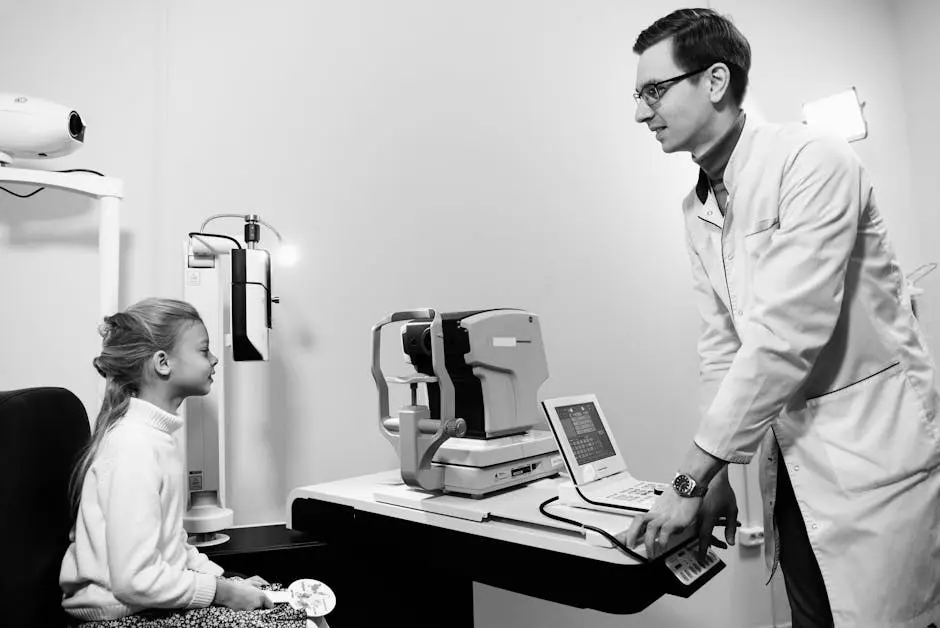
A medical professional performs an eye exam on a young girl in a clinic setting.

Blurred Vision or Difficulty Focusing

If you notice that your vision has become blurry or you’re having trouble focusing on objects, it’s a good idea to book an appointment. This can be a sign of various potential issues, from needing glasses to more serious conditions.

Blurred vision can indicate refractive errors like myopia or hyperopia, which are easily corrected with prescription eyewear. However, it may also point to more serious concerns, such as diabetic retinopathy or macular degeneration. Early detection of these conditions by an eye specialist can help prevent further deterioration.

Struggling to focus seems harmless but can be an early warning sign for significant eye conditions. It may also result from prolonged digital screen use, leading to digital eye strain. Discussing your symptoms with an eye specialist can offer clarity on whether treatment or lifestyle changes are needed.

Frequent Headaches or Eye Strain

Headaches or strain around the eyes can be a sign of vision problems or even an eye condition. An eye specialist can help determine the cause and recommend treatment options.

Frequent headaches often go hand-in-hand with eye strain, suggesting possible vision changes that necessitate a professional assessment. This might connect to needing corrective lenses or could be indicative of eye conditions like astigmatism.

Prolonged exposure to screens and inadequate lighting is a common contributor to eye strain, which not only affects productivity but also overall well-being. An eye professional may suggest solutions like prescribed glasses or lenses that reduce glare and adjust for screen-focused activities.

Experiencing Eye Pain or Redness

Persistent eye pain or redness should not be ignored. These symptoms could indicate an eye infection or other underlying condition, which needs prompt attention.

Eye pain can accompany many conditions, from minor irritations like dry eyes to more significant issues such as uveitis. Redness, similarly, might result from allergies or signal infections that physician-grade treatments could effectively address.

When eye pain or redness arises, self-medication can sometimes exacerbate the issue. An eye specialist can conduct the necessary tests to diagnose the root cause accurately and provide appropriate treatment.

Noticing Flashes of Light or Floaters

Seeing flashes of light or floaters suddenly appear in your vision can signal a retinal problem. It’s essential to get this checked as soon as possible to prevent any permanent damage.

Flashes or floaters can be particularly alarming, as they may point to retinal detachment or tears, conditions that require immediate intervention. These symptoms shouldn’t be ignored, and immediate consultation with an eye specialist is critical.

Although floaters can be a part of the natural aging process, understanding their nature and identifying when they indicate a problem is crucial. An eye health professional can help differentiate between harmless floaters and symptoms of more grave concerns.

Changes in Peripheral Vision

Loss of peripheral vision might not be immediately noticeable but can lead to serious vision problems. This could be a sign of glaucoma or other eye diseases, so a specialist evaluation is recommended.

Peripheral vision changes can sneak up gradually, often going unnoticed until they significantly impact daily life. This sort of symptom often relates to glaucoma, a condition where intraocular pressure damages the optic nerve, and early detection is crucial.

Adding regular eye exams to your health maintenance routine is essential, as they can catch subtle changes in vision and avert debilitating conditions. Be proactive in your eye care plan to sustain wide-ranging vision clarity.

Difficulty Adjusting to Darkness or Glare

If you find it hard to see in dark environments or are sensitive to glare, it could be a sign of cataracts or other eye issues. An eye specialist can provide an accurate diagnosis and discuss treatment options.

Your eyes’ inability to adjust from light to dark environments may not just be annoying but a precursor to cataracts or age-related macular degeneration. A professional assessment can help alleviate concerns and outline possible interventions.

Experiencing trouble with glare while driving at night is not only uncomfortable but also hazardous. Consulting with an eye specialist helps determine the underlying condition and the potential need for specialized eyewear or treatments.

Taking Charge of Your Eye Health

Regular check-ups and early detection are key to maintaining optimal eye health. If you experience any symptoms or changes in your vision, don’t hesitate to consult an eye specialist. Being proactive about your eye health will help ensure clear and healthy vision for years to come. Visit our homepage to learn more about scheduling your appointment today.


Is There a Difference Between an Online Vision Test and an In-Person Test?

With the rise of telehealth services, online vision tests have become a popular alternative to traditional in-person vision tests. Many people wonder if there’s a difference between these two methods and which one is more effective. In this blog post, we’ll explore this topic to help you understand the distinctions and make informed decisions about your eye health.
A man receiving an eye exam with a phoropter in an optometry clinic setting.

Understanding Online Vision Tests

Online vision tests are digital exams conducted over the internet, usually via a computer or smartphone. They offer a convenient way to assess certain aspects of your vision from the comfort of your home.

These tests typically involve a series of visual tasks that can measure your visual acuity, astigmatism, and farsightedness. However, it’s important to note that their scope is relatively limited, and they cannot replicate the full range of assessments provided during an in-person examination.

Many online tests are designed with user-friendliness in mind, allowing individuals of all ages to participate without the need for special training or expertise. This accessibility makes them an attractive option for those who might delay regular check-ups due to time constraints or convenience.

Exploring In-Person Vision Tests

In-person vision tests are conducted by optometrists or ophthalmologists in a clinical setting. These comprehensive exams can assess a wide range of eye health issues and include detailed assessments with specialized equipment.

During a visit to an eye care provider, you’ll experience a thorough evaluation which may include tests for glaucoma, cataracts, macular degeneration, and more. This hands-on approach ensures that potential issues are identified early and accurately.

In addition to diagnosing complex conditions, in-person exams provide the opportunity for patients to discuss their symptoms, lifestyle, and eye care needs in detail with a professional, ensuring personalized recommendations and treatment plans.

Comparing Accuracy and Reliability

Online tests can be a useful preliminary tool but often lack the precision and ability to diagnose complex eye conditions that in-person exams provide. We’ll explore the reliability of each method for detecting specific eye issues.

The major limitation of online tests is their inability to perform comprehensive diagnostics required for detecting serious eye conditions. For instance, conditions like glaucoma require specific tests that MUST be conducted by a professional using specialized tools.

While online vision tests may correctly identify basic refractive errors, they should not be relied upon solely for making decisions about your eye health. A professional assessment is essential for accurate prescriptions and overall health evaluation.

Evaluating Convenience and Accessibility

Online tests provide unmatched convenience and accessibility for individuals who may have difficulty reaching an eye care professional. However, accessibility may vary based on the technology available and the user’s internet connection.

For many, the appeal of an online test lies in the ability to perform it anytime and anywhere. This is particularly beneficial for those with busy schedules or mobility issues.

Despite their convenience, not all individuals have access to reliable internet services or the necessary technology, potentially limiting the benefits of online vision testing.

Considering Cost and Insurance Coverage

The cost of vision tests can vary widely between online and in-person options. Insurance coverage may also differ, potentially impacting your decision. We’ll break down what you need to know about costs and insurance.

Online vision tests tend to be more affordable upfront, with some even being offered free or at a low cost. However, these costs may not be covered by insurance, leaving individuals to pay out-of-pocket.

In-person exams, while potentially covered by insurance plans, can be more expensive due to the comprehensive nature of the tests and professional time required. It’s important to verify what your insurance covers to avoid unexpected expenses.

When to Choose an Online Vision Test

Online vision tests might be appropriate for routine vision checks or initial assessments when convenience is key. We’ll discuss scenarios where an online solution might suffice.

For those who lead busy lives and seek quick checks, online tests can serve as an interim measure. They are particularly useful for tracking minor changes in vision over time without the immediate need for a professional consultation.

When to Opt for an In-Person Vision Test

For comprehensive eye health evaluations and when experiencing specific symptoms, an in-person test is typically recommended. Discover when a visit to your optometrist is essential.

In-person exams are crucial when you notice sudden changes in your vision, have a family history of eye disease, or require a detailed diagnosis. In situations like these, professional oversight ensures your vision is thoroughly protected.

Remember, even if you prefer the convenience of online tests, regular visits to your eye doctor are vital for maintaining long-term eye health. Regular, comprehensive checks guarantee the best protection against the development of serious eye conditions.

Making the Right Choice for Your Vision

Both online and in-person vision tests have their unique advantages and limitations. While online tests offer convenience and accessibility, they are best supplemented by regular in-person examinations by eye care professionals. Ultimately, the choice may depend on individual needs and circumstances, but maintaining regular check-ups with your eye doctor is essential for comprehensive eye care.