9 Factors to Consider When Buying Contact Lenses for the First Time

Venturing into the world of contact lenses can feel overwhelming, especially if you’re doing it for the first time. With a variety of options available and different factors to consider, making the right choice for your eyes is crucial. This guide will help you navigate through the essentials you should keep in mind.

Hands arranging contact lens accessories on white background, emphasizing vision care.

1. Understanding Different Lens Types

There are several types of contact lenses available, including soft, rigid gas permeable, and hybrid lenses. Each type has its unique benefits and potential drawbacks. Knowing what each offers can help you decide which suits your lifestyle best.

Soft contact lenses are the most popular; they’re flexible, comfortable, and easy to adapt to, making them a common choice for first-time wearers. However, they might not be as durable as rigid gas permeable lenses. These lenses, often referred to as RGP lenses, offer excellent vision correction and durability but can take longer to get used to. Hybrid lenses attempt to provide the best of both worlds—a soft outer ring for comfort and a rigid center for sharp vision.

2. Consulting Your Eye Care Professional

Before you make a purchase, it’s essential to consult with an eye care professional. They can provide valuable insights into what might work best for your specific eye shape and prescription needs.

Your eye care professional will not only assess your prescription but also consider factors such as the curvature of your cornea and any underlying eye conditions. It’s also a good time to discuss any discomfort you might experience with lenses and expectations. They can guide you on the importance of eye exams, which are crucial for detecting potential issues early on.

3. Considering Your Lifestyle Needs

Your day-to-day lifestyle can significantly influence the kind of contact lens you choose. Whether you’re active in sports or spend a lot of time outdoors, the right lens can make all the difference.

For instance, if you’re actively engaged in sports, daily disposable lenses could be ideal—they’re convenient as you won’t have to worry about cleaning them, reducing the risk of eye infections. On the other hand, if you’re indoors more often, monthly lenses could fit your routine. Plus, some lenses offer additional features like UV-blocking capabilities, which are excellent for outdoor activities.

4. Determining the Right Lens Material

Contact lenses come in different materials, such as hydrogel and silicone hydrogel, each with its benefits. Understanding these materials can help you choose lenses that provide comfort and adequate oxygen permeability.

Hydrogel lenses are known for their water content, which increases comfort. However, silicone hydrogel lenses have gained popularity due to their superior oxygen permeability, allowing more oxygen to reach your cornea. This leads to healthier eyes over long-term usage. It’s crucial to compare how these materials can impact your wearing experience.

5. Evaluating the Lens Wear Schedule

From daily disposables to monthly lenses, the wear schedule can affect your maintenance routine and overall lens cost. Consider what fits your capabilities and convenience when choosing a wear schedule.

Daily disposables are handy and require minimal maintenance, making them perfect for people with a busy lifestyle. Nonetheless, they might be pricier in the long run compared to monthly or biweekly lenses. Monthly lenses, however, require good cleaning practices. Learn more about how to properly clean and store your lenses to maintain eye health.

6. Assessing Lens Fitting and Comfort

Good contact lenses should fit comfortably without causing irritation or redness. Find out how to check for proper fitting to avoid any potential discomfort.

Proper fitting is crucial for comfort and minimizing the risk of infection. An incorrect lens fit may cause issues like dry eyes or blurred vision. Thus, it’s necessary to have a professional fitting done by your eye care practitioner. They can explicitly measure your eye and recommend lenses that ensure your comfort and visual clarity.

7. Considering the Financial Aspect

While cost shouldn’t be the only deciding factor, it is an important consideration. Understand the costs involved, including lenses, solution, and replacement schedules, to make an informed decision.

Evaluate the long-term costs of different types of lenses, as well as the necessary care products like solutions and cases. If you’re concerned about pricing, it’s worth comparing brands and possibly discussing bulk purchase options or insurance reimbursements with your eye care professional. It’s advisable to consider the value of quality lenses over cheaper options that might not offer as much comfort or health benefits.

8. Prioritizing Eye Health and Safety

Your eye health should always come first. Learn about the importance of proper lens hygiene and how to prevent potential risks associated with contact lens wear.

Maintaining good hygiene is paramount when wearing contact lenses. This includes washing your hands before handling lenses, using the recommended cleaning solutions, and replacing them as per the schedule suggested by your eye care professional. By following the recommended guidelines, you can minimize risks such as eye infections and ensure the safety of your eyes.

9. Exploring Special Features

Some contact lenses offer special features like UV protection or tinting. Discover these options to decide if they are beneficial for your specific needs and preferences.

Lenses with UV blocking can provide an additional layer of protection against harmful rays, which is particularly beneficial if you’re often outside. Some lenses also come in various tints to enhance or change your eye color—a fun option for those looking to complement their style. Understanding these available enhancements can help you make a choice that aligns with your lifestyle.


15 Advances in Glaucoma Treatment That Could Change Your Life

Navigating the world of glaucoma can be daunting, but recent advances in treatment are paving the way for brighter futures. Whether you’re dealing with glaucoma or know someone who is, understanding these innovations can help improve quality of life.
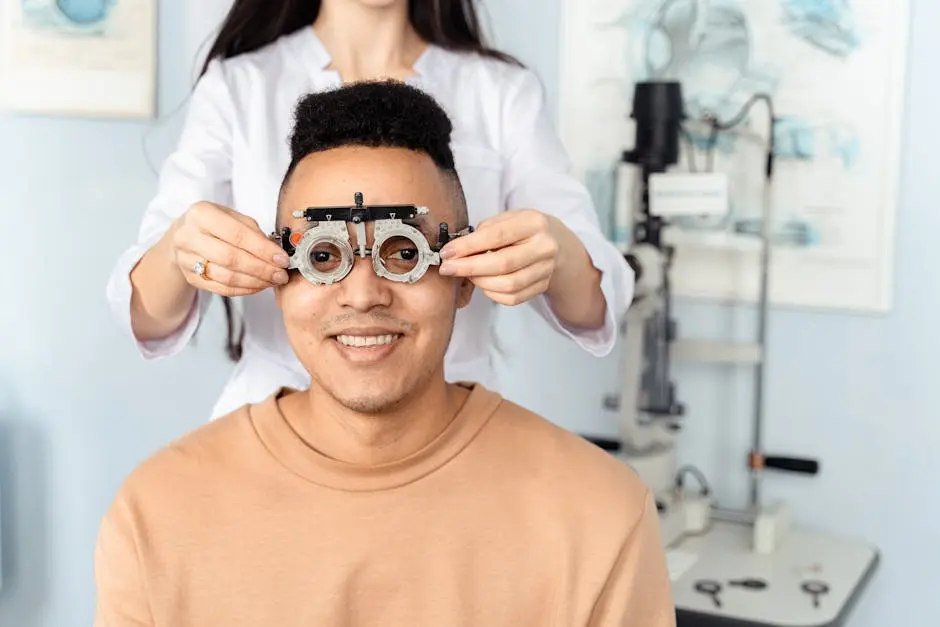
A man receiving an eye exam with a phoropter in an optometry clinic setting.

1. Laser Therapy Innovations

Laser therapy has come a long way, offering patients less invasive options with quicker recovery times. Learn how these innovations are transforming care.

Recent advancements in selective laser trabeculoplasty (SLT) have made it a favored approach for many patients. This procedure targets specific cells while leaving others unscathed, reducing intraocular pressure effectively. This precision not only enhances outcomes but also minimizes potential side effects, making it an appealing first-line treatment for some glaucoma cases.

Another promising technique is cyclophotocoagulation, which uses laser to reduce the fluid production in the eye. This helps in managing the intraocular pressure and limits disease progression. With reduced potential for inflammation and scarring, cyclophotocoagulation represents a significant step forward in glaucoma management.

2. Micro-Invasive Surgery Breakthroughs

Micro-invasive surgeries significantly reduce the risk associated with traditional operations. Discover how these procedures deliver promising results.

One of the most exciting advancements is the introduction of micro-stents. These tiny devices can be implanted during cataract surgery or as a standalone procedure to help improve fluid drainage and significantly lower eye pressure. The results often lead to reduced dependence on daily medications, a considerable relief for those struggling with medication adherence. Such breakthroughs provide a less invasive, yet highly effective alternative to traditional surgery.

Moreover, innovations like microcatheters are being used to enhance fluid outflow with minimal tissue disruption. Patients find these procedures not only decrease recovery time but also lower the risk of post-operative complications, fostering confidence in surgical intervention. These innovations have truly set a new standard in minimally invasive glaucoma surgery.

3. Advancements in Eye Drop Formulations

New formulations aim to enhance the effectiveness of eye drops, making them more user-friendly. Find out how these advances simplify treatment regimens.

One of the biggest challenges with eye drop medications is the difficulty in maintaining consistent dosing schedules. Advances in formulation have led to drops that release medication over an extended period, reducing the frequency of applications and improving patient compliance. Additionally, the development of preservative-free options has minimized irritation, making treatment more tolerable for individuals with sensitive eyes.

Researchers are also focusing on improving the delivery mechanisms of eye drops, ensuring more of the active ingredient reaches the targeted area in the eye. Nanoemulsions and other innovative carriers are being explored to optimize absorption and efficacy, revolutionizing how we think about non-invasive glaucoma management.

4. Promising Gene Therapy Techniques

Gene therapy holds potential for groundbreaking changes in glaucoma management. Explore how targeting specific genes may alter the future of treatment.

Scientists are investigating the role of specific genes in the development and progression of glaucoma. By targeting these genes, gene therapy has the potential to correct the underlying causes of the disease at the molecular level. Initial trials are showing promise, suggesting that such approaches could prevent further vision loss or even reverse damage in certain cases.

The future of gene therapy in eye care seems bright as ongoing research continues to make strides toward highly tailored treatments. Personalized medicine is now more feasible, providing personalized strategies that take into account individual genetic profiles, potentially transforming patient outcomes dramatically.


Preparing for Your Eye Surgery: Tips for a Smooth Recovery

Getting ready for eye surgery can feel overwhelming, but having a plan in place can ease your worries. Whether it’s a cataract removal, LASIK procedure, or another type of eye surgery, knowing what to expect before, during, and after the procedure can help set you on the path to a smooth recovery. In this blog, we’re sharing some practical steps and helpful tips to make your journey to better vision as comfortable as possible.
Smiling woman in hospital bed with supportive hand on forehead, conveying warmth and care.

Understanding Your Procedure

Before undergoing eye surgery, it’s crucial to have a clear understanding of the procedure itself. Learn about the specifics: what the surgery entails, how long it will take, and what kind of anesthesia will be used. Your healthcare provider can provide all the necessary details, and don’t hesitate to ask questions to ease any concerns.

Being well-informed about your eye surgery can significantly reduce pre-surgery anxiety. Take the opportunity to discuss the risks and benefits of the procedure with your ophthalmologist. Understanding these can help in making informed decisions and setting realistic expectations for post-surgery outcomes. Knowing the surgical steps can also enhance your comfort level when preparing for the day of surgery.

Consider looking into reliable resources or experiences from others who’ve undergone the same procedure. It can be comforting to know you’re not alone in this journey. Additionally, familiarize yourself with common eye surgeries and their processes as this contextual knowledge can further bolster your confidence.

Preparing Your Home and Daily Schedule

A comfortable environment is key to recovery. Before surgery, organize your living space to minimize strain. Ensure you have essential items within easy reach, arrange low-maintenance meals, and avoid chores that may be strenuous on your eyes. Additionally, coordinating with family or friends for daily tasks can lift a great deal of stress off your shoulders.

Think about the layout of your home and how it might impact your movement and safety post-surgery. You might need to rearrange some furniture to create clear paths to prevent accidental bumps or falls. This is especially important if your vision is temporarily impaired. Moreover, having low-light lamps or nightlights can help navigate your home safely, most beneficial during nighttime.

Managing your daily schedule is equally crucial. Having someone assist you in the first few days post-surgery to manage errand runs, cooking, or even caring for pets can reduce strain and stress. It’s okay to depend on your support network during recovery, ensuring you refrain from activities that could impact your healing process negatively.

Essential Post-Surgery Care and Tips

Post-surgery care is paramount to healing. Follow all medical guidance regarding medication and restrictions. Wear protective eyewear as instructed, and avoid rubbing your eyes. Keeping follow-up appointments ensures your recovery is on track and allows your doctor to address any issues swiftly.

It might be beneficial to keep a diary of your post-surgery symptoms and progress. This journal can be shared during follow-up visits, helping your doctor assess your recovery more effectively. Remember, your body is healing, so allow it the rest it needs, including taking prescribed medications precisely as directed.

Always ensure your eyes are protected from irritants, dust, and bright lights. Consider investing in a good pair of sunglasses that can offer adequate UV protection and comfort to your sensitive eyes. Additionally, you can learn about the importance of using artificial tears to prevent dryness, ensuring optimal recovery for your eyes.

Managing Expectations and Emotional Well-being

Recovery from eye surgery isn’t just physical; it involves emotional adaptation too. It’s normal to experience a range of emotions as your body heals. Maintain a positive mindset, give yourself grace, and don’t hesitate to seek support from loved ones or counseling if needed. Patience and understanding are essential as you adjust to changes in your vision.

Temper your expectations during this crucial recovery phase. While some patients experience dramatic improvements in vision immediately post-surgery, others may notice gradual changes. Each journey is unique. Acknowledging this can help in approaching your recovery with patience and optimism, focusing on incremental improvements rather than instant results.

Staying engaged with mental health checks and stress-relieving activities is also recommended. Activities such as daily walks (if comfortable and safe), meditation, or light reading with protective eyewear can maintain emotional balance during your healing phase. It’s important to nurture emotional well-being as part of overall recovery.

Your Journey to Clear Vision Starts with Preparation

A smooth recovery from eye surgery is achievable with the right preparation and aftercare. By following your doctor’s instructions, maintaining a supportive environment, and giving yourself time and patience, you will soon enjoy the benefits of clear and healthy vision. Remember to reach out to your healthcare provider with any concerns, and take every small step with optimism on your journey to recovery.


12 Questions to Ask Your Surgeon Before Eye Surgery

Preparing for eye surgery can be both an exciting and nerve-wracking experience. It’s essential to gather as much information as possible before the procedure to ensure a smooth and successful outcome. Here are some crucial questions to ask your surgeon that will help you feel more confident and informed.
Medical professionals conducting a hair transplant in a clinic setting.

1. Understanding Your Specific Procedure

Start by asking your surgeon for a detailed explanation of the surgery. Knowing what the procedure involves, how it works, and its benefits will help you feel more informed and at ease. For instance, you might be curious about whether the surgery will entail the use of lasers or traditional tools, and if so, how each option might affect the surgery’s outcome and your healing process. Some might wonder about the preparation of the eye or the duration of each step of the surgery. Clarity on these aspects can help set realistic expectations and provide peace of mind as you approach the day of surgery.

2. Possible Risks and Complications

Understanding potential risks is crucial. Ask about any complications that might arise during or after the surgery and how they are handled. Are there risks specific to your health profile or the type of lens you might need? For example, some surgeries may have higher risks for people with severe nearsightedness or other underlying health conditions. Additionally, inquire about how your surgeon’s team monitors post-surgical issues and what steps are taken if complications arise. Such discussions not only prepare you mentally but also equip you with knowledge about what to watch for during recovery.

3. Surgeon’s Experience and Credentials

Inquire about your surgeon’s training and experience with this specific procedure. A seasoned surgeon brings a wealth of knowledge and skills, which can be particularly reassuring if complications occur. Ask how many surgeries similar to yours they’ve performed and what their success rate is. An experienced surgeon can provide case studies or references that can give insight into their diagnostic approach and preferred surgical techniques. Knowing your surgeon’s expertise can solidify trust and lead to a smoother overall experience.

4. Anesthesia Options

Discuss the type of anesthesia that will be used during your surgery. Understanding this can help you prepare mentally for the experience. Your surgeon might recommend local or general anesthesia, depending on the complexity of the procedure and your health condition. Learn about the benefits and risks associated with each option. Inquire about the side effects of anesthesia and what measures are in place to manage them. This discussion can determine your comfort level and help in setting your expectations.

5. Pre-Surgery Preparations

Ask your surgeon what you need to do to prepare for the surgery, including any medications or lifestyle changes you should adopt beforehand. You might need to stop taking certain medications or supplements in the weeks leading up to your eye surgery. Perhaps dietary changes or cessation of smoking would be beneficial. Routine pre-surgical activities such as blood tests are common and should be discussed with your surgeon. Precise preoperative preparations ensure that you are in the best possible condition for the surgery and can often aid in a more effective recovery.

6. Duration of the Procedure

Find out how long the surgery will take, so you can plan accordingly and inform anyone assisting you on the day of the procedure. The length of time might vary based on the complexity of the procedure and the anesthesia used. Knowing the expected duration helps coordinate care for yourself, especially if additional arrangements for personal or professional responsibilities are necessary. It can also be reassuring to have a friend or family member informed, who will be waiting for you during the procedure.

7. Post-Operative Care Requirements

Post-surgery care is vital for full recovery. Ask about the necessary steps you should follow when you get home. This might include using prescribed eye drops diligently to prevent infection or inflammation. Inquire about the signs of complications and how they should be addressed. Understand the importance of follow-up appointments and adherence to their schedule as advised by your surgeon. Clear guidelines will help in organizing your post-operative routine and ensuring optimal healing.

8. Recovery Timeframe and Activities

Discuss the expected recovery timeline and any activities you should avoid. Knowing this helps with making personal and professional arrangements. Will you need to take time off work or refrain from hobbies that could strain your eyes? Discover what symptoms are normal and what might necessitate a call to the surgeon’s office. Learning these aspects can help in planning your return to normal life, easing the transition from recovery to routine.

9. Follow-Up Appointments

Post-surgery check-ups are crucial. Inquire about the schedule of follow-up visits to monitor your healing process. These visits allow your surgeon to assess your recovery and ensure that your eyes are healing as expected. Knowing when these appointments will occur lets you prepare questions and concerns about your progress. They are vital touchpoints for implementing any necessary adjustments to your care plan, maintaining the path to complete recovery and preserving your eye health long-term.

10. Handling Discomfort or Pain

It’s important to discuss the types of discomfort you might experience and the pain management options available to you. Ask which over-the-counter pain medications are recommended, and discuss how long any soreness or itchiness might last. It’s reassuring to know that discomfort is generally temporary and manageable, and having a plan in place can provide peace of mind. Being aware of what constitutes normal and when to contact your doctor for persistent pain ensures that you or your caregiver can confidently address any issues as they arise.

11. Visual Outcome Expectations

Ask about what to realistically expect regarding your vision post-surgery, as changes can vary per individual. Everyone heals differently, and understanding the scope of visual changes sets the right expectations. Discuss the likelihood of needing new prescriptions or any additional corrective procedures in the future. Knowing your eye surgery’s potential impacts will help you prepare for shape and clarity shifts in your daily visual experience.

12. Long-Term Results and Care

Discuss how long the results typically last and any long-term care needed to maintain your eye health after surgery. Learn about the longevity of surgical corrections and the need for future maintenance. Ask about lifestyle changes or any protective measures like UV filter sunglasses that can aid in prolonging the benefits of your surgery. Establish a firm understanding of how ongoing eye care will safeguard the investment you’ve made in your vision and help plan your future eye health strategy.


7 Reasons Why Designer Glasses Are Worth the Investment

In a world where fashion and function often converge, designer glasses stand out as both a style statement and a practical necessity. But are they really worth the investment? Let’s explore seven compelling reasons why choosing designer eyewear might just be your best decision this year.
Stylish Versace eyeglasses with a black frame and elegant case shown in a minimalistic flat lay.

1. Unmatched Quality and Durability

Designer glasses are crafted from premium materials, ensuring they withstand daily wear and tear while maintaining their impeccable appearance and functionality. Materials like titanium and high-grade acetate are commonly used in designer frames, offering durability and a lightweight feel. These materials don’t just ensure longevity; they also guarantee that your glasses will remain as stylish and functional on day 1000 as they were on day one.

The meticulous crafting process involves precise engineering that takes into account not just style but functional wearability. Unlike mass-produced eyewear, designer brands employ rigorous testing processes to ensure that every frame is able to withstand daily stressors while maintaining both form and function. This attention to detail is what sets designer eyewear apart from others in the market.

2. Perfect Fit for Comfort

With designer eyewear, you get a perfect fit tailored to your unique facial dimensions, providing unparalleled comfort and eliminating the annoyances of sliding or pinching frames. The design process incorporates ergonomic principles, ensuring that the glasses rest comfortably on your face. This precision fit not only enhances comfort but also ensures that your lenses are positioned properly for optimal vision correction.

Many designer brands offer fitting services that include digital measurements to capture your face’s unique contours. This customized approach means you’re not just buying a fashion accessory; you’re investing in a tool that enhances your everyday life, eliminating inconvenience and discomfort.

3. Spectacular Style and Design

Embrace the latest trends and timeless classics with designs that range from minimalist elegance to bold fashion statements, all embodying a sophisticated aesthetic. Designer glasses often feature innovative designs that reflect current trends while maintaining a timeless appeal. Whether you prefer a retro cat-eye frame or sleek, modern lines, designer brands offer a variety that caters to diverse tastes.

The artistic flair of designers, coupled with their use of high-quality materials, results in eyewear that elevates your overall look. By opting for designer glasses, you’re not just buying frames; you’re investing in a piece of art that complements your personal style. Each design tells a story, making your choice of eyewear a reflection of your personality and preferences.

4. Enhanced Vision and Protection

High-quality lenses in designer glasses offer superior clarity, reduce eye strain, and often come with features like UV protection and blue light filtering for eye health. With the rise of digital screen use, features such as blue light blocking have become essential for maintaining eye health and preventing headaches.

Moreover, designer lenses often include anti-reflective coatings, which improve vision clarity by reducing glare, especially useful for nighttime driving or in brightly lit environments. These additional features emphasize the value of investing in designer glasses, as they provide both style and important safeguards for your vision.

5. Prominent Brand Prestige

Wearing designer glasses accompanies an appreciation for luxury brands, providing a sense of prestige and exclusivity to your personal style. The brand itself carries a reputation that speaks volumes about the wearer’s taste and preferences. Choosing a designer brand means aligning yourself with their history of excellence and innovation.

Brand prestige often translates into unique offerings such as limited edition collections or collaborations with renowned artists. This exclusivity not only enhances your personal brand but also offers an opportunity to own something that reflects innovation and luxury, setting you apart in everyday life.

6. Investment in Longevity

Though the initial cost may be higher, designer glasses are an investment that pays off in longevity, saving you from frequent replacements. High-quality materials and superior craftsmanship mean these glasses maintain their form and functionality over years of use.

In many cases, designer brands offer warranties or repair services that further extend the life of their eyewear. This added service is a testament to the confidence these brands place in their products, assuring you that your investment is well protected against the unexpected.

7. The Uniqueness of Customization

Many designer brands offer customization options, allowing you to tailor your eyewear to reflect your personality, ensuring they are truly one-of-a-kind. Whether it’s custom engraving, unique color combinations, or personalized fitting components, designer glasses can be made to align with your distinct preferences.

Customization doesn’t just end at aesthetics. Some brands offer the option to modify lenses with various coatings to suit your visual needs, enhancing both style and functionality. This bespoke approach ensures that your eyewear is not just a visual aid but a personal extension of your identity and lifestyle.


Discover the Latest Trends in Designer Glasses

Designer glasses are no longer just a tool to correct vision; they have become a fashion statement. In this blog, we’ll explore how designer glasses have transformed the eyewear industry with innovation, style, and uniqueness. Join us as we uncover the latest trends in designer eyewear that are making waves in the fashion world.
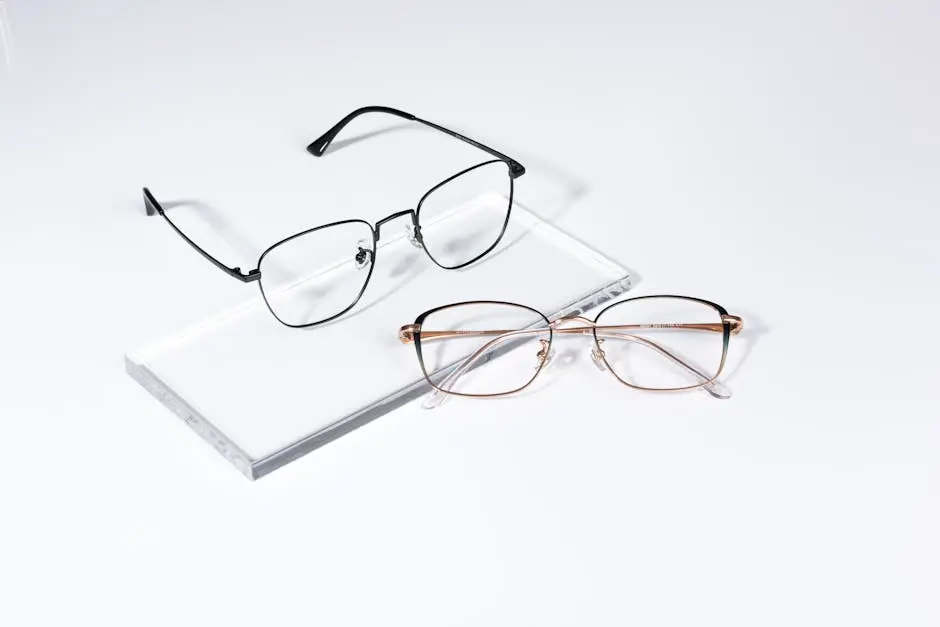
Modern eyewear with sleek design on a white background, showcasing optical fashion.

Embracing Bold Colors and Unique Shapes

Recently, designer glasses have shifted toward bolder color palettes and unconventional shapes. These statement pieces are perfect for those looking to express their individuality and stand out from the crowd. With vibrant hues like electric blues, fiery reds, and deep purples becoming more prevalent, eyewear has become an extension of personal style rather than just a necessity. These dynamic color choices are not only about making a fashion statement but also about embracing one’s creativity and uniqueness. As noted by fashion experts, such bold spectacles often serve as an accessory that can instantly elevate an outfit or reflect an individual’s mood.

In addition to color, the shapes of designer glasses are undergoing a transformation. From oversized geometric frames to sleek, minimalist designs, the plethora of options ensures that there is something for every face shape and personal style. This diversity allows fashion-conscious consumers to find frames that not only complement their face but also make them feel confident and unique. The evolution towards more daring designs exemplifies a broader trend in fashion towards personalized expression and breaking away from conventional norms.

The Rise of Eco-Friendly Materials

Sustainability is a significant trend in designer glasses as brands focus on eco-friendly materials. Recycled metals, plant-based acetates, and biodegradable options are trending among environmentally conscious consumers. Such materials not only minimize environmental impact but also promise more comfort and uniqueness in design. For example, bamboo and wood have been integrated into frames, providing a rustic and earthy aesthetic that is both stylish and sustainable.

Moreover, brands are increasingly transparent about the sustainability of their products, offering consumers detailed insights into the sourcing of materials and the manufacturing process. This transparency fosters a sense of trust and attracts buyers who prioritize environmentally responsible practices. As more consumers make eco-conscious decisions, the eyewear industry responds with innovative solutions that do not compromise on style or quality.

Incorporating Technology for Enhanced Vision

With advancements in technology, designer glasses are now integrating features like blue light blocking, transition lenses, and even augmented reality capabilities to enhance visual experiences. These features cater to the needs of modern lifestyles, where screen exposure has become a significant part of everyday life. Blue light filtering, for example, is essential for those who spend a lot of time in front of digital screens, helping reduce eye strain and fatigue.

Furthermore, the advent of smart glasses is beginning to redefine what eyewear can do. These high-tech spectacles can overlay digital information onto the real world, offering functions such as GPS navigation and language translation. These innovations highlight the potential of designer glasses to merge functionality with fashion, creating a new realm of possibilities for eyewear.

Crafting Personalized and Luxury Experiences

Customization is key in the realm of designer glasses. Luxury brands offer bespoke services where customers can tailor their eyewear to fit their personal style and needs, ensuring a unique and personalized experience. This trend toward personalization reflects the broader shift in consumer behavior towards products that offer individuality and exclusivity.

Moreover, the personalized approach is not limited to design but extends to the entire purchasing experience. Brands now offer virtual try-ons, allowing customers to visualize how different frames will look on them without stepping into a store. This blend of luxury, technology, and bespoke service sets a new standard for what customers can expect when shopping for designer glasses.

Embrace Style with Designer Glasses

In the world of fashion, designer glasses continue to evolve, offering a perfect blend of style, functionality, and sustainability. Whether you’re a trendsetter or someone seeking eyewear for practicality, the latest trends in designer glasses ensure that there’s something for everyone. So, embrace the new styles, make a statement, and keep your eyes stylishly protected. For more details on choosing the perfect pair, explore our homepage.