What Are the Latest Advancements in Glaucoma Treatment?

Glaucoma, a leading cause of irreversible blindness, has been a focus of medical research for years. Recent advancements offer hope for those affected by this condition. In this FAQ blog, we’ll explore the latest developments in glaucoma treatment, making complex medical information easy to understand.
Technician performing eye exam using advanced medical technology with real-time monitoring.

Understanding Glaucoma: A Brief Overview

Before diving into the new treatments, it’s important to have a basic understanding of what glaucoma is and how it affects vision. Glaucoma refers to a group of eye conditions that can damage the optic nerve, essential for good vision, often caused by abnormally high pressure in your eye.

It’s crucial to note that glaucoma often presents no symptoms in its early stages. Regular eye exams are paramount. If detected early, the progression can be slowed, preventing significant vision loss. That’s why scheduling routine check-ups, like those offered at Eye Associates of Winchester, is such an essential part of maintaining eye health.

Innovative Drug Therapies

Recent developments in pharmacology have introduced new drugs that lower intraocular pressure more effectively and with fewer side effects. These advanced medications target different pathways in the eye, offering personalized treatment options.

Among these drugs, Rho kinase inhibitors and nitric oxide donors are making significant impacts. These drugs work differently by improving the outflow of ocular fluids, thus reducing pressure. Understanding these mechanisms has opened doors to more targeted and patient-specific therapies.

For individuals seeking more information on how these new therapies can be a part of their glaucoma management plan, visiting our services page can provide valuable insights and options.

Minimally Invasive Glaucoma Surgery (MIGS)

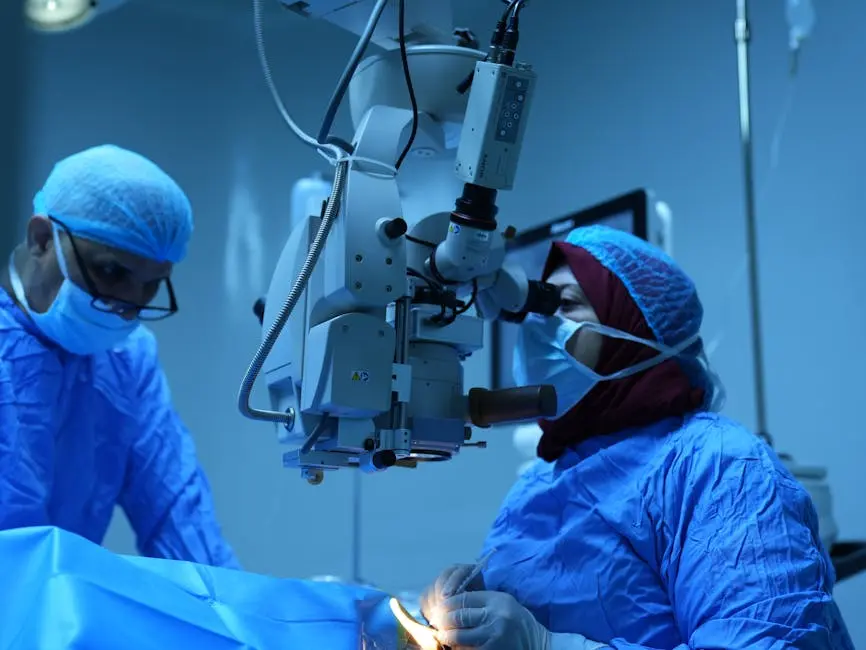
MIGS represents a significant leap forward, offering less invasive surgical options that reduce recovery time and risk. These procedures aim to improve drainage in the eye, lowering pressure with precision.

The beauty of MIGS lies in its ability to be customized to the patient’s specific needs. This adaptability ensures that patients with varying stages and severities of glaucoma have access to procedures that are minimally invasive yet highly effective. These procedures promise fast recovery and minimal discomfort.

Discovering how innovative surgical techniques can be integrated into personalized care plans is integral to comprehending the full scope of glaucoma treatment at our practice.

Laser Treatments: What’s New?

Advancements in laser technology have made laser treatments safer and more effective. Procedures such as selective laser trabeculoplasty (SLT) are proving beneficial for patients who are non-responsive to medication.

SLT, in particular, acts gently on the eye’s draining system, utilizing laser energy to enhance fluid outflow. This method not only helps in managing eye pressure but also minimizes the reliance on medications. It’s an exciting development for those looking for a non-drug approach to glaucoma management.

By keeping up with emerging laser treatments, patients can explore alternative options suited to their needs, enhancing their vision care experience.

The Role of Artificial Intelligence in Glaucoma Management

AI technology is rapidly advancing, offering new diagnostic tools and treatment monitoring options. AI algorithms can analyze patient data to predict disease progression and tailor treatment plans.

These AI tools are designed to assist healthcare providers in making more accurate diagnoses and predictions about the disease’s course. By recognizing patterns and predicting outcomes, AI empowers us to offer proactive interventions, thereby enhancing patient outcomes.

As the potential of AI continues to unfold, our efforts to incorporate these technologies at Eye Associates of Winchester ensure that patients receive cutting-edge care. Explore our commitment to technological integration by visiting our homepage.

Looking Ahead: The Future of Glaucoma Treatment

These advancements in glaucoma treatment bring new hope for patients and medical professionals alike. With continued research and innovation, the future looks promising in combatting this challenging condition.


The Link Between Screen Time and Dry Eyes

With the increasing reliance on digital devices for work, education, and entertainment, screen time has become an integral part of our daily lives. However, this increased exposure to screens can have unintended consequences on our eye health, particularly contributing to the phenomenon known as ‘dry eyes’. In this blog, we’ll explore what dry eyes are, how screen time affects eye health, and what you can do to keep your eyes comfortable.
A woman using a smartphone in a dark bedroom, lit by the screen glow at night.

What is Dry Eye Syndrome?

Dry Eye Syndrome, more than just a nuisance, can severely impact daily activities if left unaddressed. People with this condition often experience trouble concentrating, as the persistent irritation can become a significant distraction. Moreover, it is essential to note that dry eyes are not merely a discomfort. Persistent dryness can damage the surface of the eyes, leading to infections and inflammation. Therefore, recognizing this condition promptly and understanding its implications is crucial. The tear film, responsible for keeping the eye’s surface smooth and clear, can be disrupted by factors like hormonal changes, environmental conditions, and medication usage, all of which contribute to this syndrome.

Dry Eye Syndrome is a common condition that occurs when our eyes do not produce enough tears or the right quality of tears to keep them hydrated. This can lead to sensations of dryness, irritation, and even blurry vision. Understanding the basics of this condition helps us recognize its impact and prioritize eye care.

How Screen Time Contributes to Dry Eyes

Staring at screens for prolonged periods reduces our blink rate, which is essential for spreading tears across the eye’s surface. This and other factors, such as blue light exposure and screen glare, exacerbate the symptoms of dry eyes. Modern devices emit significant blue light, which can not only impact our sleep cycles but also contribute to eye strain when combined with screen glare and the reduced blink rate associated with focusing intensely. This trifecta of factors makes our screen habits a real concern for eye health. For those tethered to screens, it’s crucial to understand how these elements interact to disrupt the tear film and cause discomfort.

You might be wondering how exactly our modern screen habits contribute to increasing cases of dry eyes. When engaging with screens, whether for work or leisure, the intense concentration we employ significantly affects our blinking patterns. It’s a subconscious process where our blink rate drops from an average of 15 times per minute to as little as 5 to 7 times per minute. Each blink acts like a windshield wiper, spreading necessary moisture and nutrients. This decrement, compounded with prolonged device use, results in our eyes drying out more quickly and feeling strained. Furthermore, the devices themselves—computers, tablets, and phones—emit high-energy visible light, commonly referred to as blue light. This light penetrates deep into our eyes, not only causing potential damage to the retina over time but also increasing the risk of developing dry eyes.

Recognizing the Symptoms of Dry Eyes

Identifying the indicators of dry eyes early can significantly smooth the path to effective management. Symptoms that commonly manifest include a persistent scratchy sensation or feeling like there’s something in your eye, which usually worsens during extended screen use. In response to irritation, our eyes might water excessively at times, confusingly mimicking the relief of tears, but this response doesn’t effectively hydrate our eyes. Rather, it marks an attempt to clear underlying irritation. Some individuals experience fluctuations in vision clarity, impacting productivity and quality of life. Becoming well-versed in these symptoms not only helps in addressing them before they worsen but also in reducing the frequency of their occurrences with appropriate lifestyle adjustments and treatments.

It’s important to identify the signs of dry eyes early to manage the condition. These include a gritty feeling in the eyes, redness, excessive tearing (as a reflex response), and discomfort, especially after prolonged screen use. Knowing these symptoms helps in taking timely action.

Simple Tips to Alleviate Dry Eye Symptoms

While reducing screen time might not always be practical, there are several strategies to help. Implementing the 20-20-20 rule, adjusting monitor brightness, ensuring proper lighting, and using artificial tears are just a few ways to relieve and prevent dry eye symptoms. Remember, it’s crucial to ensure your monitor is positioned at arm’s length and slightly below eye level, which naturally mitigates strain. Also, don’t underestimate the power of your diet in supporting eye health. Including omega-3 fatty acids found in foods like fish and flaxseed can be beneficial for tear production. Taking these small but impactful steps can sew the seeds for healthier eye habits, promoting comfort and reducing the likelihood of dryness.

To combat the discomfort associated with dry eyes, consider environmental adjustments especially in your workspace. A humidifier can be particularly beneficial for those in climate-controlled offices where air conditioning or heating might exacerbate the dryness issue. By adding moisture to the air, humidifiers help maintain a more tear-friendly environment. Also, keep in mind the importance of routine breaks away from the screen. Regular short durations, even if just to stretch and refocus, are invaluable for maintaining overall eye health.

The Importance of Regular Eye Check-Ups

Regular visits to an eye care professional can help detect early signs of eye problems and provide tailored advice on managing dry eyes. Keeping track of your eye health ensures that any issues are addressed before they worsen. By engaging in routine screenings, replete with detailed assessments of vision changes and eye comfort levels, eye care specialists can recommend personalized solutions. Whether it be prescribing eye drops specifically suited to your needs or suggesting adjustments in your daily routine, professionals offer invaluable insights for maintaining eye wellness. As technology continues to evolve, staying informed through reliable eye evaluations becomes a paramount step in safeguarding the quality of our vision.

Keeping Your Eyes Comfortable in a Digital World

In our screen-dominated world, taking steps to protect our eyes is crucial. By understanding the connection between screen time and dry eyes, and adopting healthier habits, we can mitigate the impact on our eye health. Remember to take regular breaks, adjust your screen settings, and stay hydrated to keep your eyes feeling refreshed. Visit Eye Associates of Winchester’s homepage to learn more about how they can assist in maintaining your eye health.


How Does an Eye Specialist Diagnose Dry Eye Syndrome?

Dry Eye Syndrome can be an uncomfortable and sometimes mysterious condition. If you’re experiencing symptoms like irritation, redness, or a burning sensation, you might be wondering how an eye specialist determines exactly what’s going on with your eyes. Let’s explore the process of diagnosing Dry Eye Syndrome, a crucial step towards finding relief.
A close-up image of a young man undergoing an eye examination by a medical professional.

Discussing Symptoms and Medical History

The first step is a conversation with your eye specialist about the symptoms you’re experiencing and your medical history. This helps the specialist understand your specific experience and any underlying conditions that could be contributing to your symptoms. An open dialogue is crucial as it can reveal patterns or triggers, aiding in the diagnostic process.

During this discussion, the specialist may ask about your lifestyle, including any factors like screen time, allergies, or medications that might be affecting your eye health. It’s an opportunity for you to share even the minor details you might not think are related, as they can provide important clues.

Your eye specialist will also review your overall health and any past eye treatments, surgeries, or conditions. This comprehensive assessment helps in tailoring the diagnostic tests that will follow, ensuring that every aspect of your eye health is examined.

Conducting a Thorough Eye Examination

An eye examination is essential. The specialist will assess the overall health of your eyes using various tools and techniques to identify any signs of dry eye or other issues needing attention. This includes a visual acuity test to check how well you see at different distances.

Ophthalmoscopy might be performed, allowing the specialist to see inside the fundus of the eye and other structures. This is pivotal in ruling out more serious conditions that could mimic the symptoms of Dry Eye Syndrome.

The specialist may also evaluate the eye’s surface, looking for redness or corneal irregularities using a slit lamp examination. This advanced tool magnifies the structure of the eyes, offering a detailed view of the conjunctiva and cornea.

Evaluating Tear Production and Quality

Tests like the Schirmer test measure tear production, while others assess tear quality and evaporation rate. These tests are critical in determining whether your tears provide sufficient moisture and protection for your eyes.

Another method involves using specially designed dyes that temporarily color the tear film. By observing the spread of dye over the cornea, the specialist can evaluate tear film stability and detect any issues that might not be visible to the naked eye.

Advanced diagnostics may also include the use of osmolarity testing. This evaluates the salt content in your tears, which is often elevated in dry eye conditions, providing another layer of insight into your tear film’s integrity.

Analyzing Tear Film and Meibomian Glands

The eye specialist may also examine the tear film structure and the function of the meibomian glands, which produce the oil layer of your tear film. Dysfunction here is a common cause of dry eye.

Meibography, an imaging technique, allows for a detailed view of the meibomian glands. By analyzing their structure, the specialist could identify blockages or atrophies that affect the tear film’s lipid layer, a crucial defense against tear evaporation.

In addition, a gland expression test may be performed, applying gentle pressure to the eyelid margins to assess how the glands secrete oil. Healthy glands should release oil easily; difficulty in doing so may indicate meibomian gland dysfunction.

Using Specialized Diagnostic Tools

Advanced equipment, such as high-resolution cameras and imaging devices, help the specialist get a clearer picture of the ocular surface and tear layers, offering critical insights for an accurate diagnosis.

Instruments like the InflammaDry test can provide quick insights into the inflammatory markers in the tear film, which may indicate underlying issues contributing to dry eye symptoms.

Ocular coherence tomography (OCT), another advanced tool, gives a cross-sectional view of the eye, allowing for the detection of structural changes in the cornea and other parts of the eye. This detailed analysis assists in differentiating dry eye syndrome from other conditions.

Getting the Right Diagnosis: Your Gateway to Relief

Understanding the diagnostic process of Dry Eye Syndrome not only gives you insight into what to expect during your appointment but also prepares you to ask informed questions. Remember, addressing eye discomfort early can help prevent further complications and improve your quality of life. For detailed guidance and professional care, visit our homepage.


How Do I Properly Clean and Store My Contact Lenses?

Caring for your contact lenses properly is crucial to ensuring eye health and maintaining clear vision. In this guide, we’ll walk you through the steps to clean and store your lenses safely and effectively, avoiding common pitfalls along the way.
Flat lay of contact lens care kit with solution and tweezers on blue backdrop.

Wash Your Hands Thoroughly

Before handling your contact lenses, always wash your hands with soap and water. This helps to remove dirt and germs that could be transferred to your lenses.

Hand hygiene is the first step in preventing eye infections. When you wash, pay close attention to the areas between your fingers and under your nails. Dry your hands with a clean towel, ensuring no residual soap comes into contact with your lenses. This small practice can significantly contribute to better eye health.

Did you know that using hand sanitizer can be a convenient alternative when soap and water aren’t available? Just make sure your hands are completely dried to avoid any alcohol or other residue from transferring onto your lenses.

Use the Correct Cleaning Solution

Only use the cleaning solution recommended by your eye care professional. Avoid using water or saliva, as they can introduce bacteria to your lenses.

The choice of cleaning solution depends on your specific lens type. Utilizing the wrong kind might not completely disinfect your lenses. You can check with your eye care specialist for advice tailored to your needs.

It’s important to avoid homemade or mixed solutions. These may alter the chemical balance essential for disinfecting your lenses, leading to discomfort or serious health risks.

Gently Rub and Rinse Your Lenses

Even if your solution is labeled ‘no-rub,’ gently rubbing your lenses while rinsing can help remove residue and buildup. Rinse them thoroughly with the cleaning solution.

This simple step ensures that your lenses remain clear and debris-free. By removing protein deposits or other contaminants, you reduce the risk of irritation and potential eye infections.

Store Lenses in a Clean Case

Always use a clean, dry lens case. Replace your case every three months and fill it with fresh solution each time you store your lenses.

A clean storage case is crucial in protecting your lenses from germs. Rinse your lens case with the same disinfecting solution and avoid using water that might lead to contamination.

Storing your lenses in a dusty cabinet can defeat the purpose of proper hygiene. Always make sure your storage area is also clean and free from dust and debris.

Follow a Regular Cleaning Schedule

Establishing a regular cleaning routine helps ensure your lenses are always safe to use. Stick to the schedule recommended by your eye care provider.

Keeping a calendar or setting reminders on your phone can be a beneficial way to maintain this routine. It’s the little habits like these that ensure your lenses are always ready for wearing.

Keep Your Eyes Safe with Proper Contact Lens Care

By following these simple steps, you can ensure that your contact lenses remain clean, comfortable, and safe to use. Proper cleaning and storage not only extend the life of your lenses but also protect your eyes from infections and irritation.


9 Common Misconceptions About Dry Eyes You Should Know

Dry eyes are a common issue that many people face, but there’s a lot of misinformation out there that can make understanding and managing the condition confusing. In this article, we’ll debunk some common myths about dry eyes to help you get a clearer picture of what you’re dealing with.
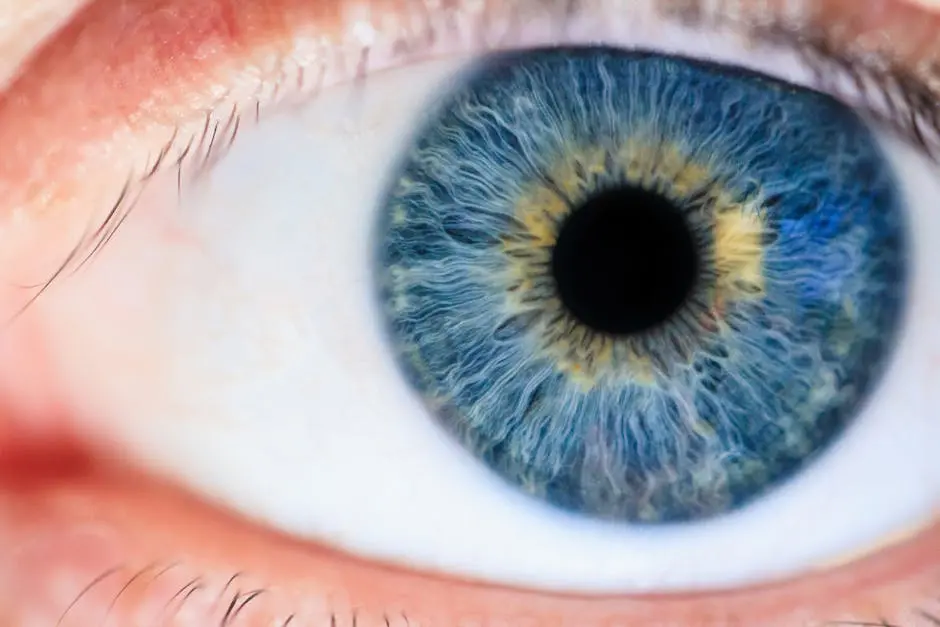
Detailed macro of a human eye showcasing the iris and pupil.

1. Dry Eyes Only Happen to Older Adults

While it’s true that age can contribute to dry eye syndrome, it’s not exclusive to older adults. People of all ages, including children and young adults, can experience this condition due to various factors like environment, screen time, and contact lens use. In today’s digital age, the increasing reliance on screens is causing more young people to experience symptoms associated with dry eyes. Long hours staring at a screen can reduce the blink rate, which is essential for keeping eyes moisturized. Furthermore, climatic conditions and indoor heating systems can also affect air moisture levels, impacting everyone regardless of age.

Parents should be aware of signs of dry eyes in children, such as frequent blinking, eye rubbing, and complaints of discomfort. Addressing these symptoms early can prevent discomfort and provide better eye health outcomes. Many young professionals, who spend hours working on computers, also report dry eyes as a recurring issue. It’s crucial for individuals in all age groups to understand that environmental factors and lifestyle choices play a significant role in the development of this condition.

2. Increased Tearing Means Eyes Aren’t Dry

It may seem counterintuitive, but excessive tearing can be a sign of dry eyes. This happens because when your eyes become irritated due to dryness, they may produce more tears as a response. These tears, however, aren’t the kind that provide proper lubrication. They are mostly composed of water, lacking the necessary oils and mucin that comprise a healthy tear film. This imbalance means that dry eyes are trying to compensate by flooding the surface, but this doesn’t address the underlying issue.

It’s important to differentiate between reflex tears and basal tears. Reflex tears are produced in response to irritation or allergens, whereas basal tears are the ones that consistently moisturize and protect the eye surface. If you’re experiencing tearing frequently, it’s a good idea to investigate further and determine whether dry eyes are the cause. Consulting with an eye care professional can help in identifying the cause and finding a suitable treatment plan.

3. Only Airborne Irritants Cause Dry Eyes

Although airborne particles like dust and pollen can contribute to dry eyes, other factors such as screen time, poor nutrition, and certain medications can also play significant roles in the development of this condition. Modern lifestyles have introduced numerous elements that can exacerbate dry eye symptoms. For instance, spending time in air-conditioned environments can dry out the air, while some antihistamines and antidepressants can reduce tear production. Additionally, diets lacking in essential fatty acids can compromise the quality of tears.

The role of nutrition in eye health is often underestimated. Consuming a balanced diet rich in omega-3 fatty acids can support production of high-quality tears that keep eyes lubricated. For those diagnosed with dry eyes, examining their dietary intake and lifestyle habits is crucial for managing symptoms effectively. Understanding that these seemingly small choices can impact your eye’s health is the first step toward long-lasting comfort and relief.

4. Drinking More Water Will Cure Dry Eyes

While staying hydrated is important for overall health, simply drinking more water won’t cure dry eyes. The issue usually involves tear quality, and addressing it often requires more than just hydration, such as using eye drops or adjusting your environment. Over-the-counter artificial tears can help replenish moisture, while consulting with an eye doctor can lead to more targeted therapies like prescription eye drops or devices designed to help keep the eyes moist.

It’s also essential to examine daily habits that might contribute to the symptoms. Small changes, like taking breaks during prolonged screen time, using a humidifier in dry environments, or adjusting your diet, can significantly contribute to managing the condition. An understanding of these causes can lead to more effective self-care routines and tailored treatments that don’t solely depend on increased water intake.

5. Artificial Tears Are Harmful

Many people believe artificial tears can be harmful due to their ‘unnatural’ label. In reality, they can provide much-needed relief and help maintain eye moisture. It’s important to choose the right product and consult an eye care professional if you’re unsure. Some artificial tears are designed to simply add moisture, while others contain special ingredients that promote healing of the eye surface. Reading labels and understanding the ingredients can guide you in selecting the appropriate option for your specific needs.

Like any other medication, the key is the appropriate use of artificial tears. Overuse without guidance could lead to dependency or mask an underlying problem, so it’s always good to check in with a healthcare professional. They can recommend a product that’s specific to your condition and needs. Remember, artificial tears are one of the simplest, non-invasive solutions to manage symptoms effectively when used properly.

6. Contact Lenses Can’t Be Worn If You Have Dry Eyes

Although dry eyes and contact lenses can be a tricky combination, it doesn’t mean you have to give up lenses altogether. Special lens materials and proper care routines can help reduce discomfort and allow you to continue wearing contacts. This is great news for many who rely on contacts for vision correction or aesthetic purposes. Advances in lens technology have brought about innovations like daily disposable lenses and silicone hydrogel materials that retain moisture better than traditional lenses.

If you’re experiencing discomfort while wearing contacts, it’s worth consulting with your optometrist. They can suggest the best options, including contacts designed specifically for dry eyes. Additionally, incorporating a routine of using rewetting drops throughout the day can help maintain comfort. Emphasizing cleanliness and ensuring you’re using the right products for care and disinfection can minimize problems and keep your eyes healthy.

7. Only Women Get Dry Eyes

While women, especially those experiencing hormonal changes, may be more prone to dry eyes, men can also be affected by this condition. It’s a misconception that gender solely dictates the likelihood of developing dry eyes. Environmental exposure, lifestyle choices, and even genetics play a prominent role in this regard. Both men and women who spend significant time in dry or air-conditioned environments can suffer from this condition.

Hormonal changes during pregnancy, menopause, or due to hormonal therapies can indeed affect tear production in women. However, acknowledging that men are equally susceptible encourages everyone to be vigilant about their eye health. Education and awareness about dry eyes need to be gender-inclusive to ensure that those affected regardless of sex can seek appropriate care and treatment. It’s a shared issue that requires shared attention and solutions.

8. All Dry Eye Treatments Are the Same

Dry eye treatments vary widely and it’s important to find one that addresses your specific symptoms. From prescription medications to lifestyle adjustments, understanding the different options can help you find the most effective relief. Tailored treatments might include tear-stimulating drops, anti-inflammatory medications, or specialized devices that help unblock oil glands. It’s crucial to approach dry eyes with a flexible mindset, as what works for one might not be effective for another.

When faced with persistent symptoms, consider collaborating with a healthcare provider who can offer comprehensive evaluations and craft personalized treatment plans. Exploring various approaches like punctal plugs, which help retain natural tears, or environmental changes can significantly relieve symptoms. Rather than a one-size-fits-all, dry eyes require an individualized plan optimized for comfort and long-term eye wellness.

9. Dry Eyes Are Just an Annoyance, Not a Medical Issue

Many dismiss dry eyes as merely irritating, but they can actually lead to more serious issues if left untreated, such as corneal damage. Recognizing it as a legitimate medical condition can encourage timely and appropriate treatment. Continuous discomfort not only affects quality of life but can also impact visual acuity, making tasks like reading or driving difficult. Chronic dry eyes might be symptomatic of underlying systemic conditions such as autoimmune diseases, requiring attention and treatment that goes beyond superficial irritation.

In severe cases, untreated dry eyes can lead to complications including infections and damage to the eye surface. Using avenues like lubricating ointments, topical medications, and regular consultations with eye specialists are essential steps towards maintaining eye health and mitigating future risks. Understanding the medical nature of dry eyes reinforces the urgency and importance of seeking timely care instead of viewing it as a simple inconvenience.


What Services Does an Eye Clinic Offer?

Visiting an eye clinic can be a crucial part of maintaining good eye health. Whether you’re experiencing vision issues or simply looking to check up on your ocular health, eye clinics offer a variety of services to address these needs. In this guide, we’ll explore the common services provided by an eye clinic, helping you understand what to expect during your visit.
A close-up image of a young man undergoing an eye examination by a medical professional.

Comprehensive Eye Exams

Regular eye exams are crucial for maintaining eye health. Eye clinics offer comprehensive exams that assess your vision and detect any potential issues early. These exams typically include tests for visual acuity, refraction, and eye health evaluations. Ensuring your prescription is up-to-date is vital for your overall eye health and prevents strain and discomfort.

During a comprehensive eye exam, the ophthalmologist will screen for a variety of conditions, such as cataracts, macular degeneration, and glaucoma, offering preventive advice or treatment when necessary.

At the Eye Associates of Winchester, we employ state-of-the-art technologies to provide accurate diagnoses, ensuring that any signs of eye health issues are caught early on. Our commitment is to your clear vision and long-term health. Make an appointment today.

Contact Lens Fitting and Consultation

For those interested in using contact lenses, eye clinics offer specialized services for fitting and consultation. This includes assessing your eye shape and size to determine the best type of lenses for you, as well as providing training on how to use and care for them.

Contact lens fittings go beyond simply picking a prescription. The process involves a detailed eye examination to evaluate your eye’s surface and any contraindications for lens wear. Once fitted, education on lens care is crucial to avoid infections.

At our clinic, we guide you through every step, from selecting the right contact lenses to understanding how to maintain eye hygiene. Whether you’re a first-time wearer or switching lens types, our expert team is here to help.

Prescription Glasses and Eyewear

Eye clinics can assist you in finding the perfect prescription glasses tailored to your needs. They offer a wide selection of frames and lenses, ensuring both style and functionality are addressed.

Our optical shop boasts a vast selection of designer frames and cutting-edge lens technologies, tailored to fit every lifestyle and budget. Whether seeking contemporary designs or timeless styles, we have options to suit your preferences.

Licensed opticians are on hand to help choose frames that fit your face and lens types that fit your lifestyle. From anti-reflective coatings to impact-resistant materials, these options enhance visual comfort and durability. Whatever your eyewear needs, our clinic is ready to meet them.

Treatment for Eye Conditions

From dry eyes to more severe conditions like glaucoma or cataracts, eye clinics provide evaluation and treatment plans. A specialist will guide you through medical or surgical treatments as necessary to manage or alleviate these conditions.

Glaucoma is a common condition but can be effectively managed if caught early. At Eye Associates of Winchester, we use state-of-the-art equipment to diagnose and manage glaucoma, ensuring optimal outcomes for our patients.

Diabetic eye diseases are prevalent yet manageable with proper care. Regular retina care and monitoring can prevent complications and preserve vision. Our experienced team will craft individualized plans to safeguard your ocular health.

Vision Therapy and Rehabilitation

For individuals experiencing difficulty with certain visual functions, eye clinics offer vision therapy and rehabilitation services. These programs are designed to improve visual skills and comfort, especially for those with specific needs or after eye surgery.

Vision therapy is a tailored program that aims to enhance vision capabilities through exercises and specialized activities. These are particularly beneficial for children with developmental eye disorders and adults recovering from surgery or trauma.

Our rehabilitation specialists work closely with patients to create customized therapy plans that address each individual’s unique visual challenges, promoting recovery and optimizing eye health over time. This step-by-step improvement plan can lead to significant gains in daily visual tasks.

Comprehensive Care at Your Eye Clinic

Eye clinics provide a comprehensive array of services focusing on eye health and vision care, ensuring that your eyes receive the attention they need. From basic eye exams to complex surgeries, an eye clinic is equipped to address a wide variety of ocular issues. Always take a proactive approach towards eye care and consult with an eye clinic for personalized advice and treatment.